Within a few days of arriving in QHD, I had to go to Shijiazhuang – the capital of Hebei Province, and which frequently has the worst air pollution in China – for a medical, a condition of the residence permit. I didn’t see much of the place, other than the medical centre and the smog, so I’ve only included the above link for anyone interested in knowing more about it than I do. However, this outing meant spending a couple of nights before and after the medical in Baoding at the main campus of Baoding Agricultural University, from which it was only a short trip to Shijiazhuang.
Baoding is of great historical importance, and I would be back here a few times, although I admit I’d never heard of it before going to China.
The current population is over 10 million, with the city proper approaching 2 million. There has been a lot of development during the last ten years, so this can be expected to rise significantly.
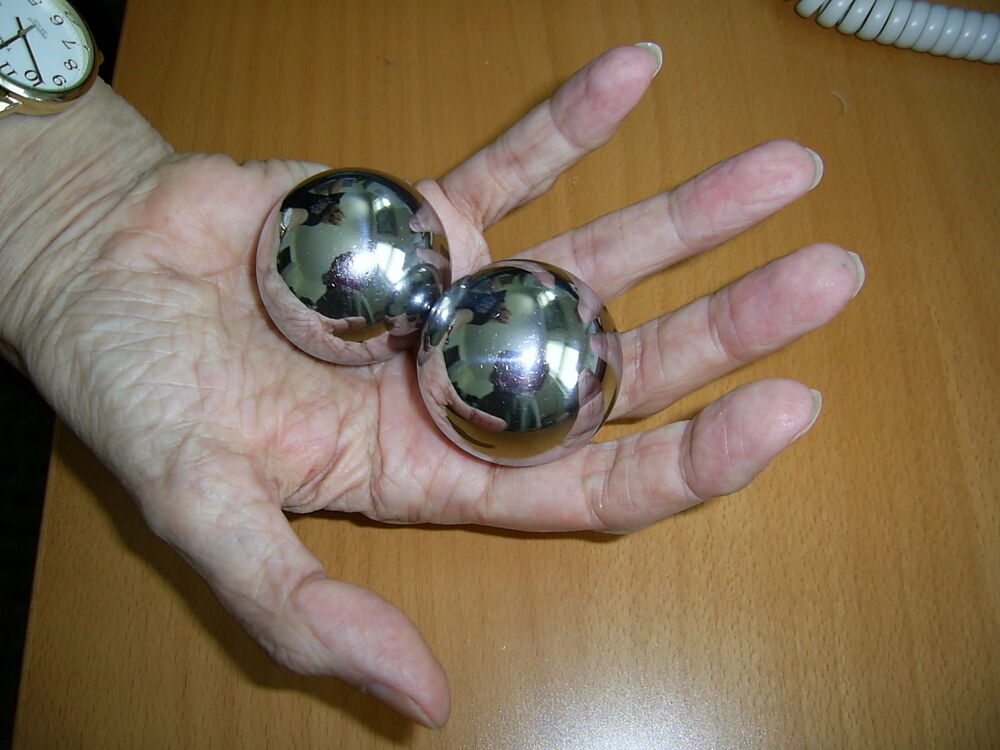
No, that is not my hand.)
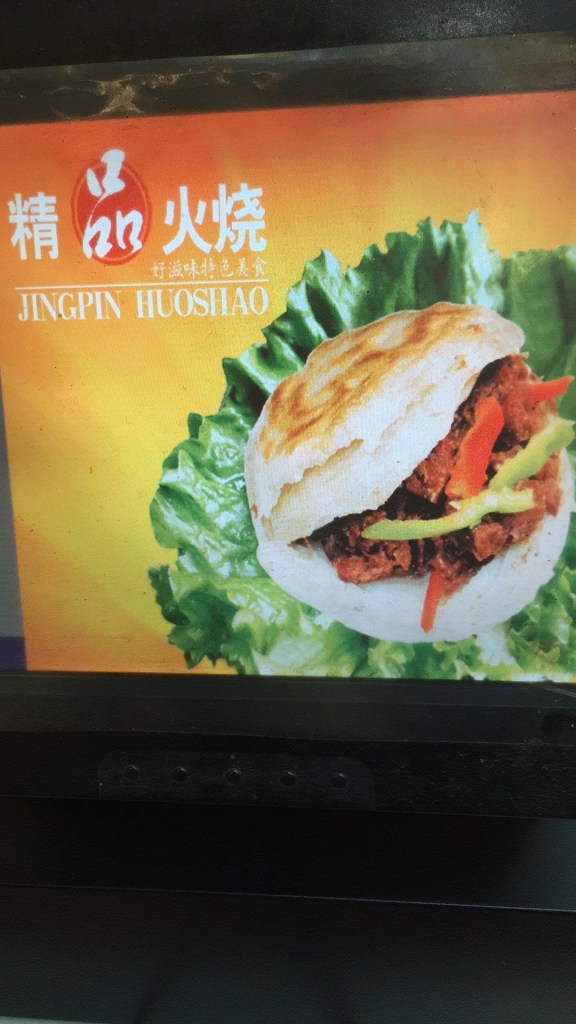
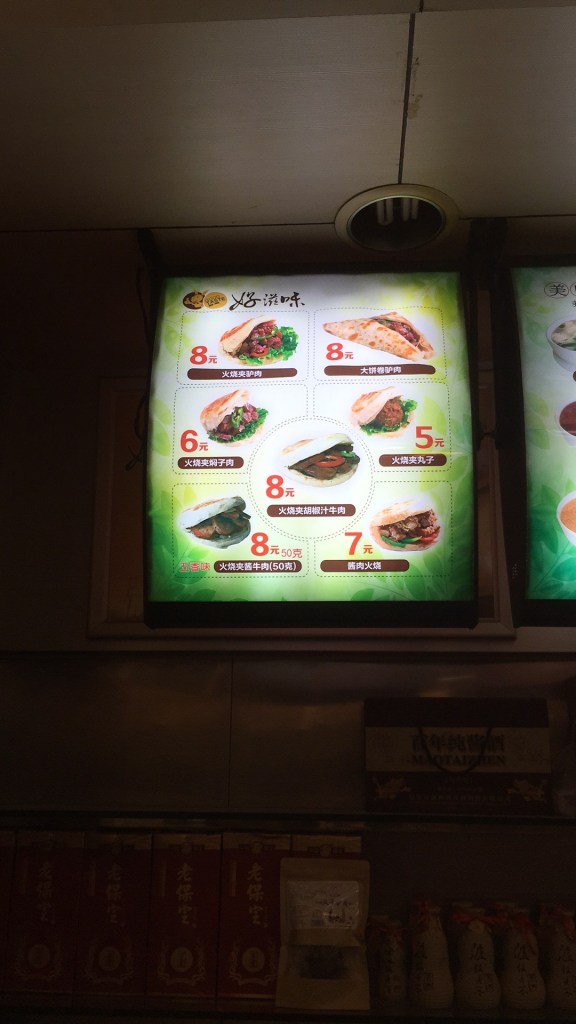
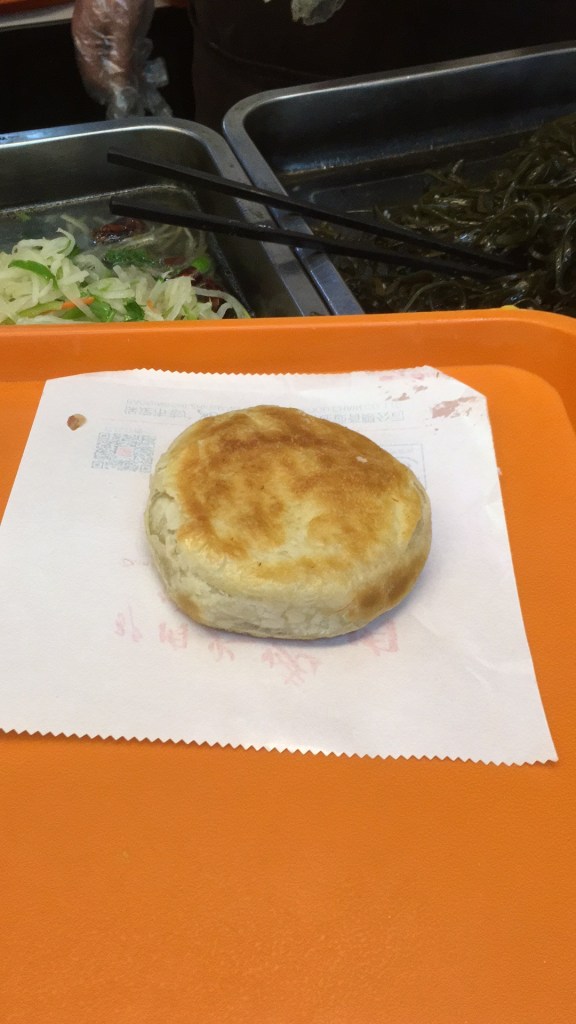
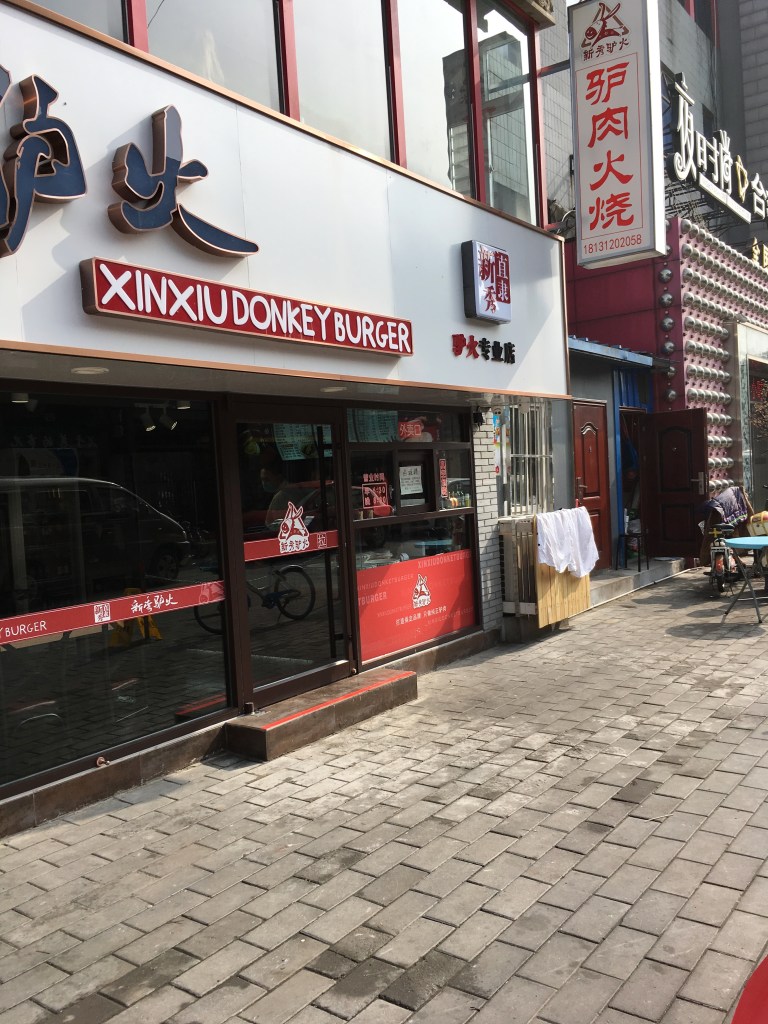
The most famous local speciality food is the “Chinese Sandwich” or “donkey burger” (驴肉火烧 lǘròu huǒshāo). This consists of hot chopped or shredded donkey meat or offal within a huǒshāo or shāobǐng 烧饼 – a roasted, semi-flaky bread pocket, a bit like pitta bread. A well-known saying, especially in Baoding (and elsewhere in Hebei province), is “In Heaven there is dragon meat, on Earth there is donkey meat” (天上龙肉,地上驴肉).
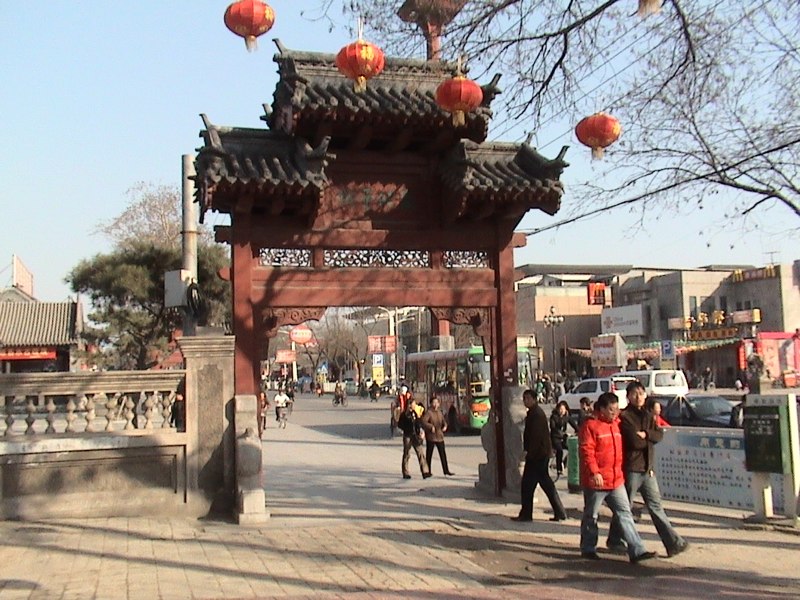
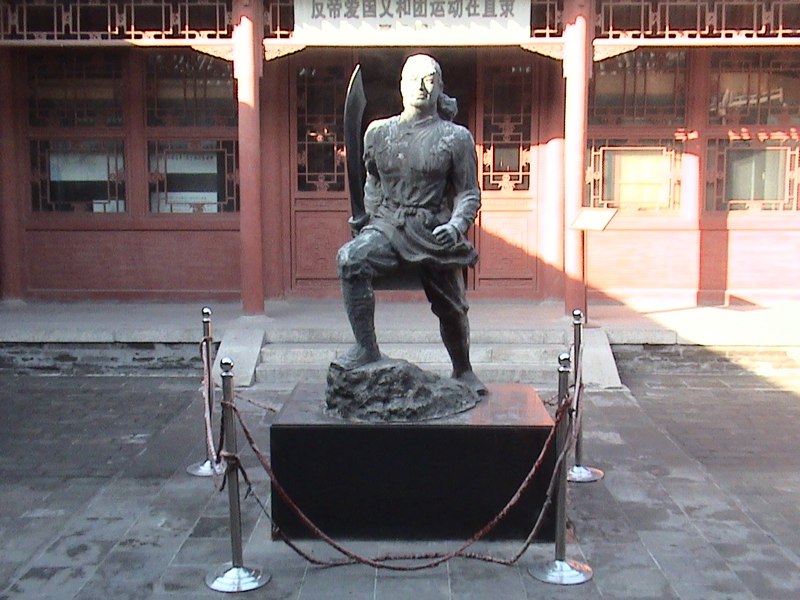
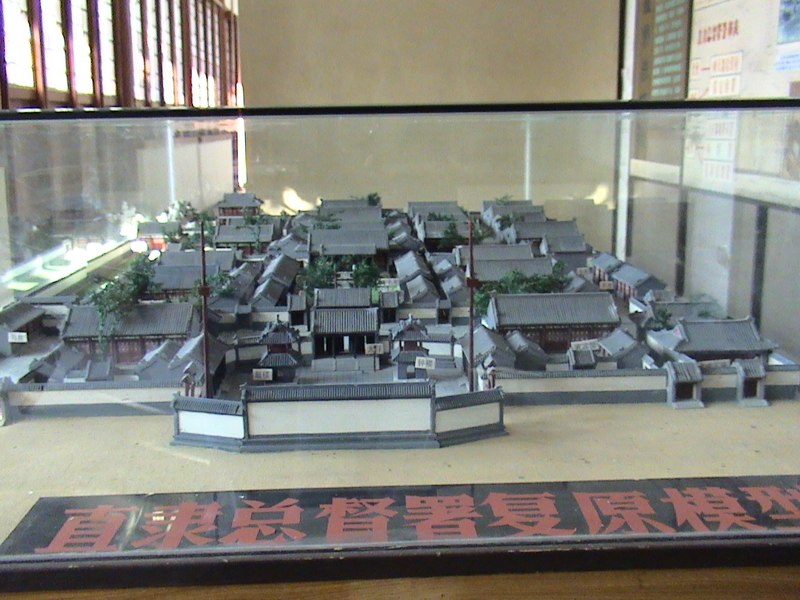
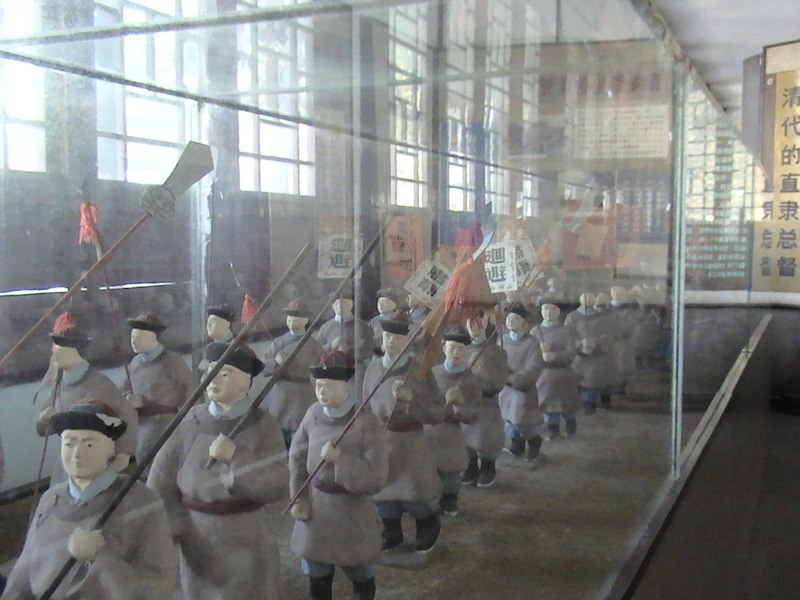
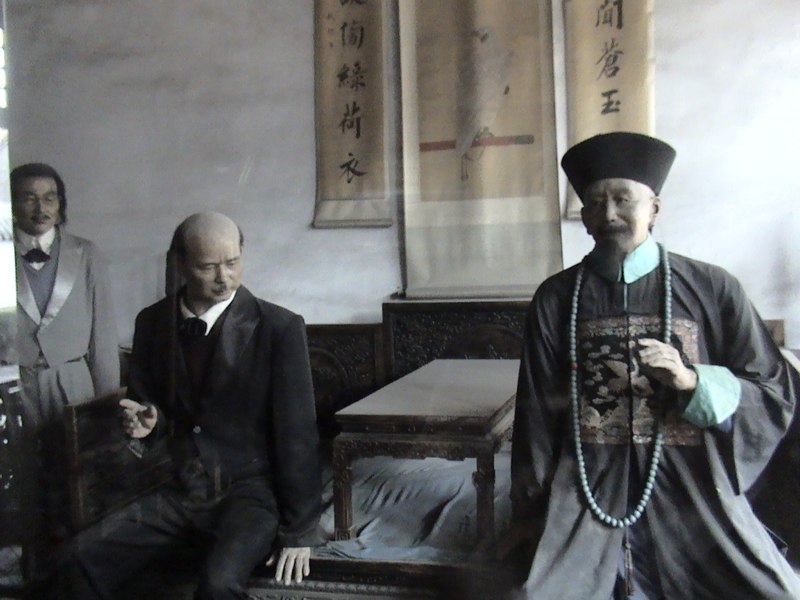
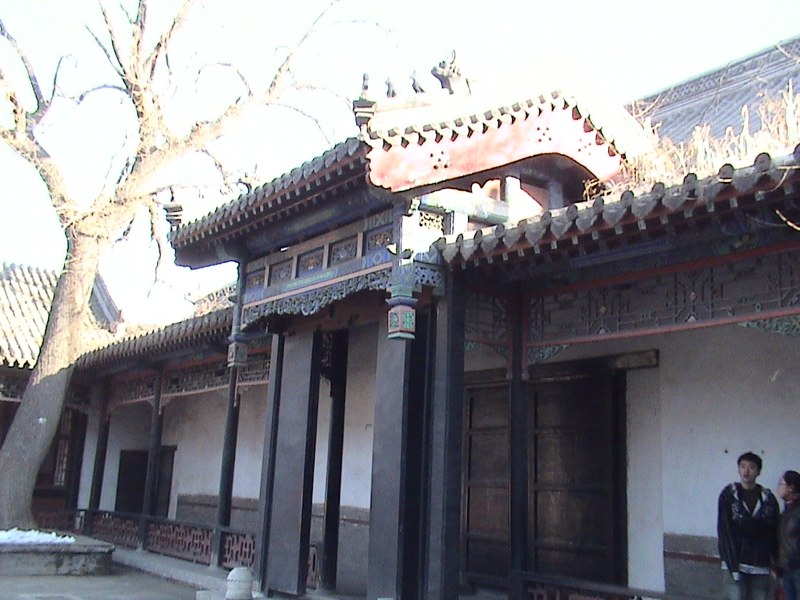
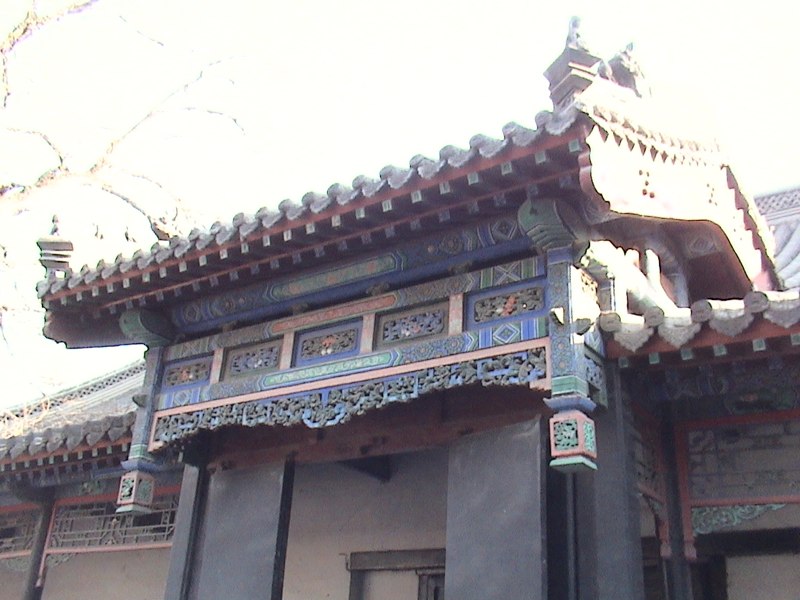
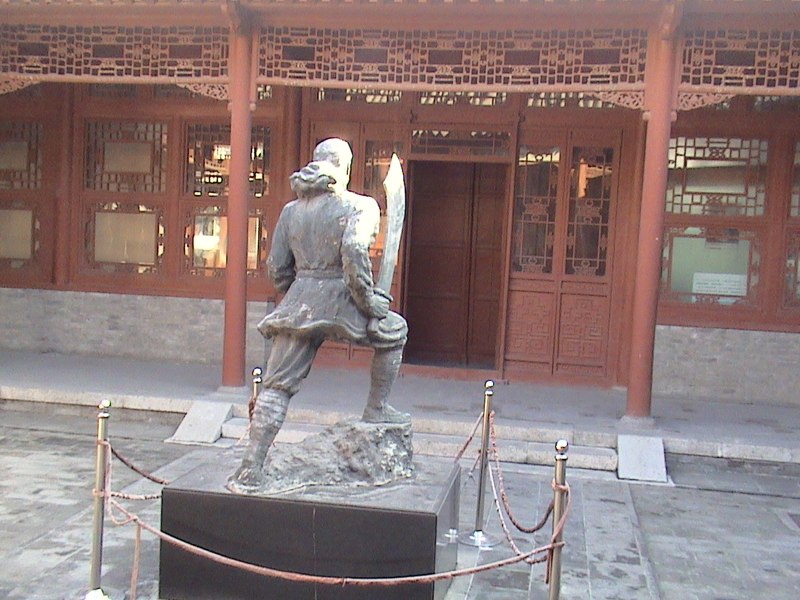
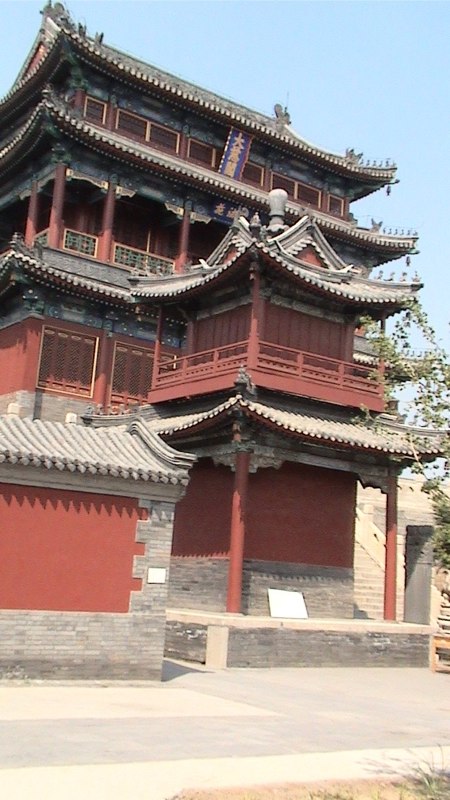
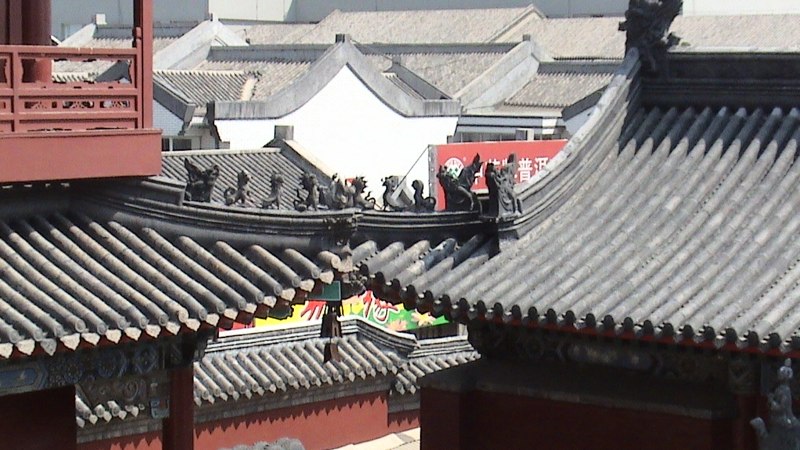
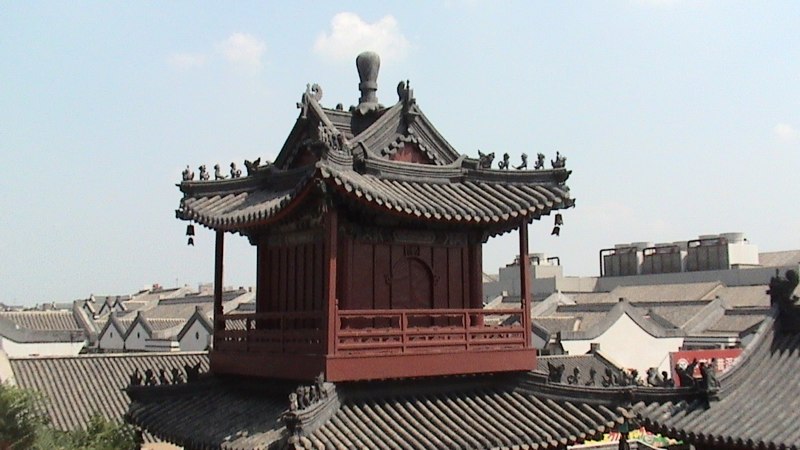
Governor’s Mansion (aka Zhili Governor’s Office), Qing Dynasty
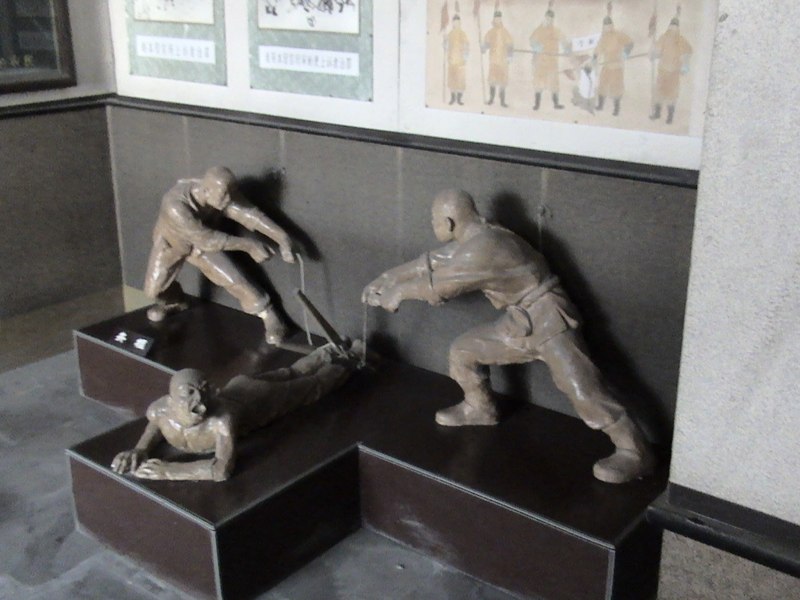
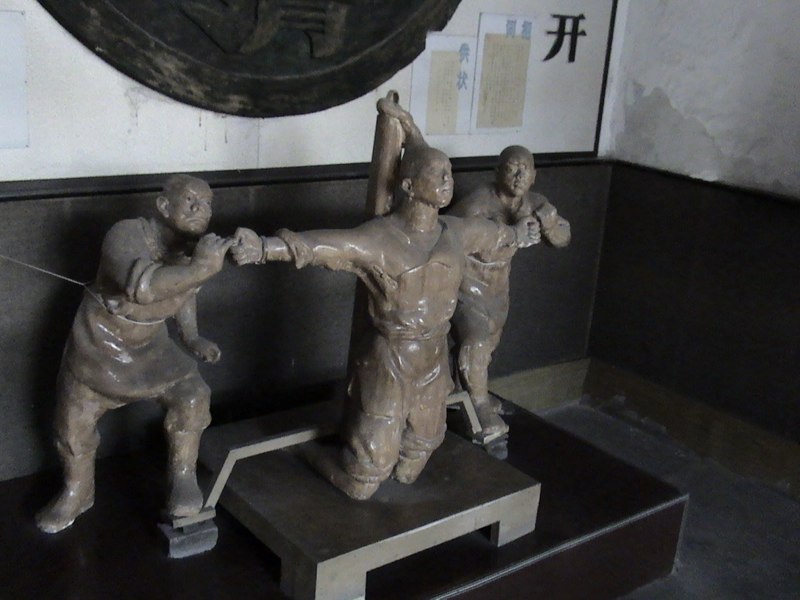
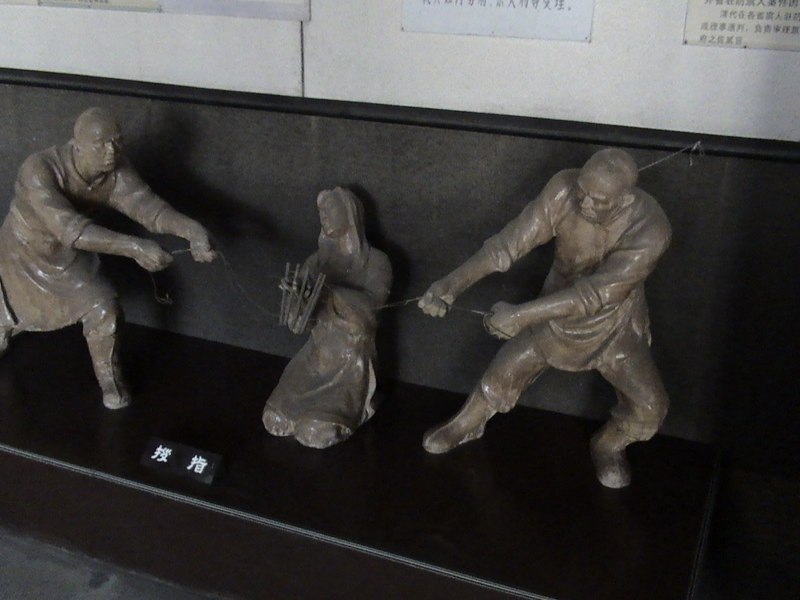
The Zhili Governor’s Office is located in the urban area of Baoding, near the ancient lotus pond. The area covered is small. Here, you can see the historical building style of the restored office and residence of the Governor, and learn about the official customs, stories, and costumes of the Qing Dynasty officials through various exhibitions. Oh, and there is a section showing ancient methods of punishment.

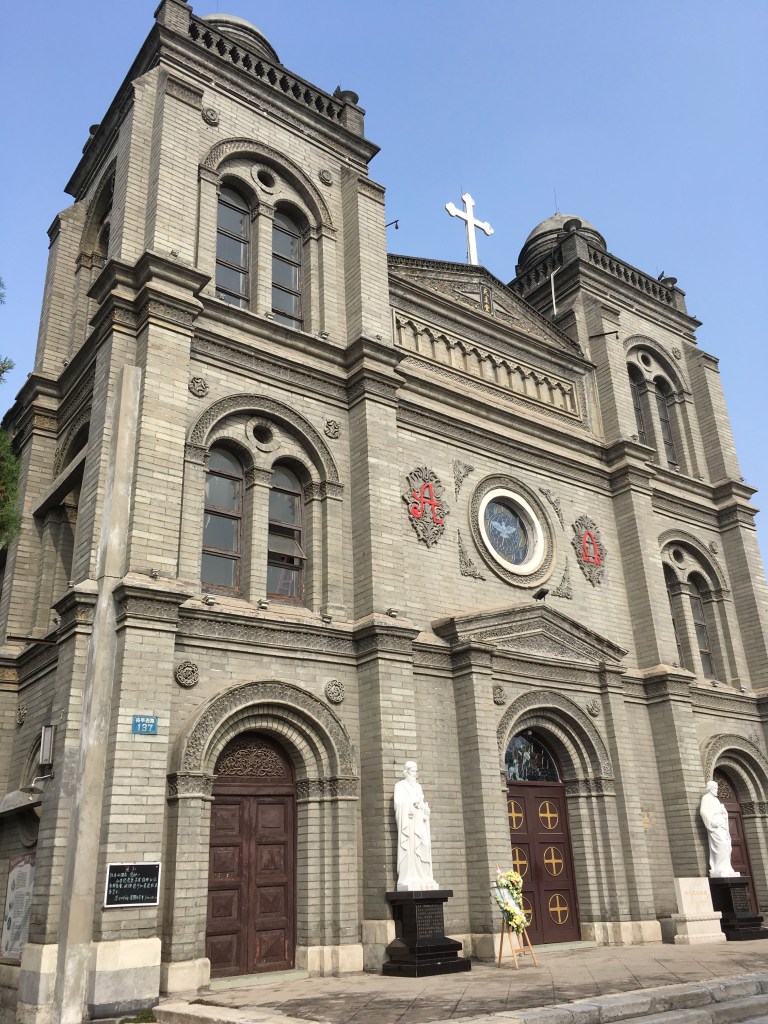
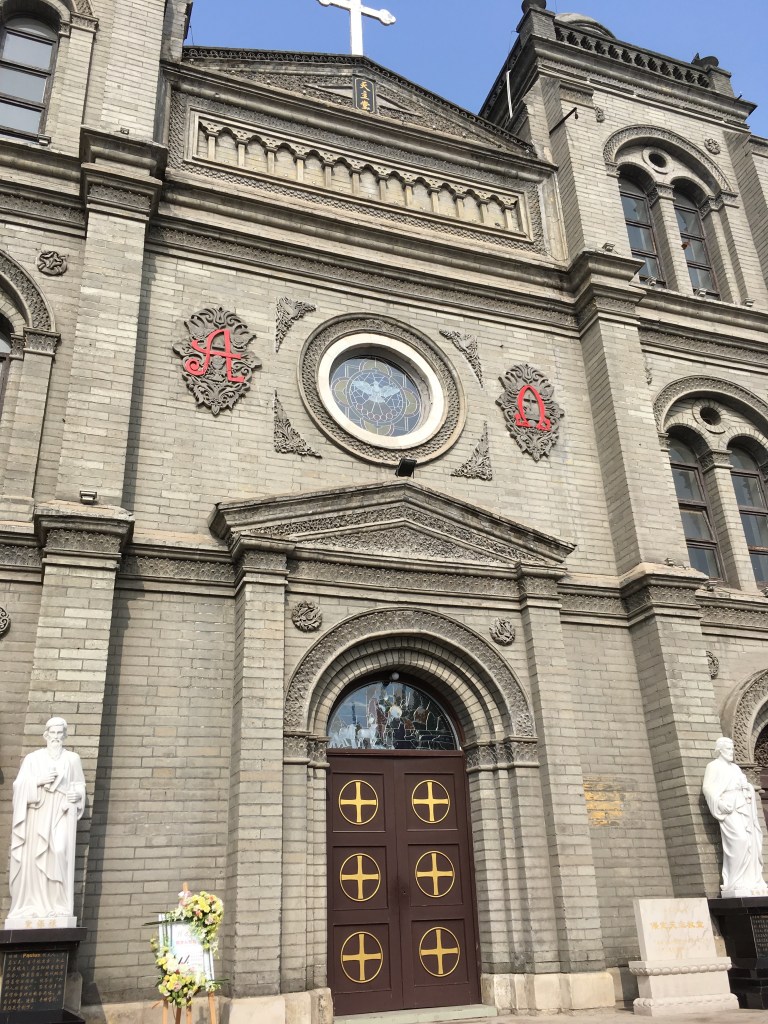
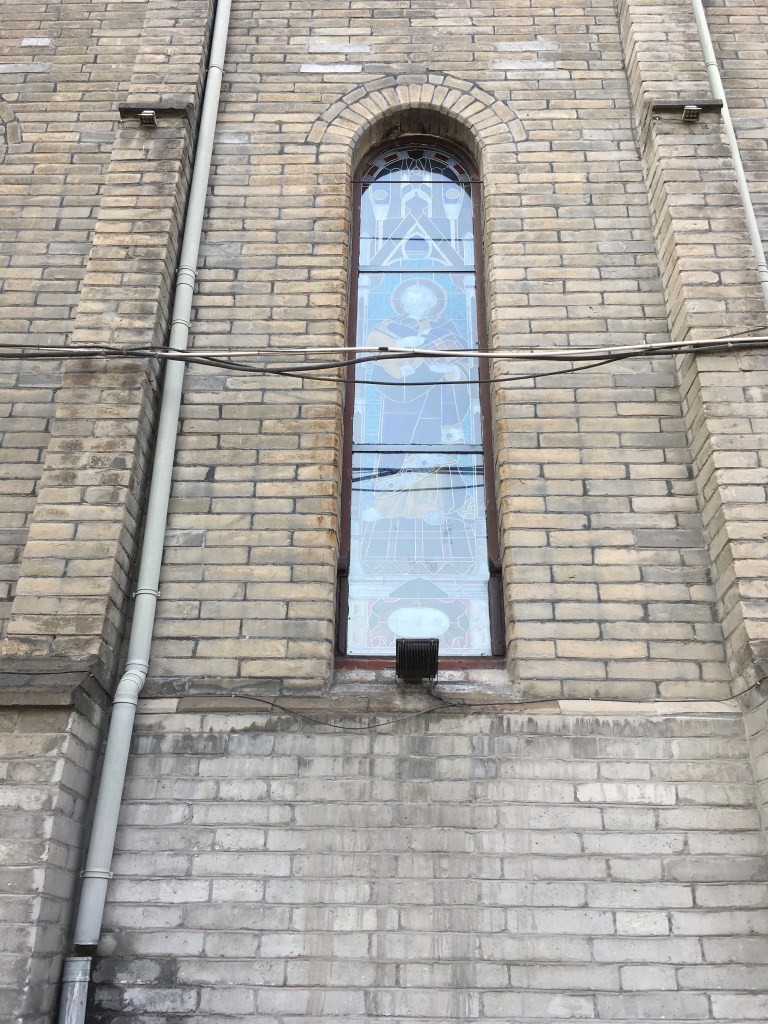
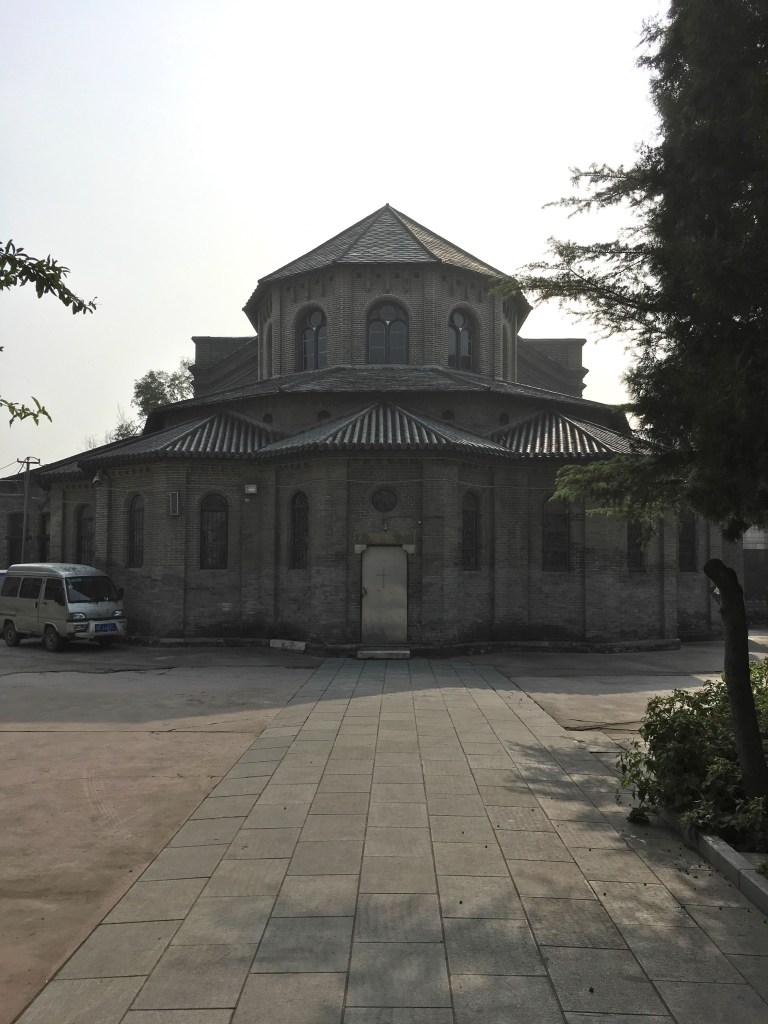
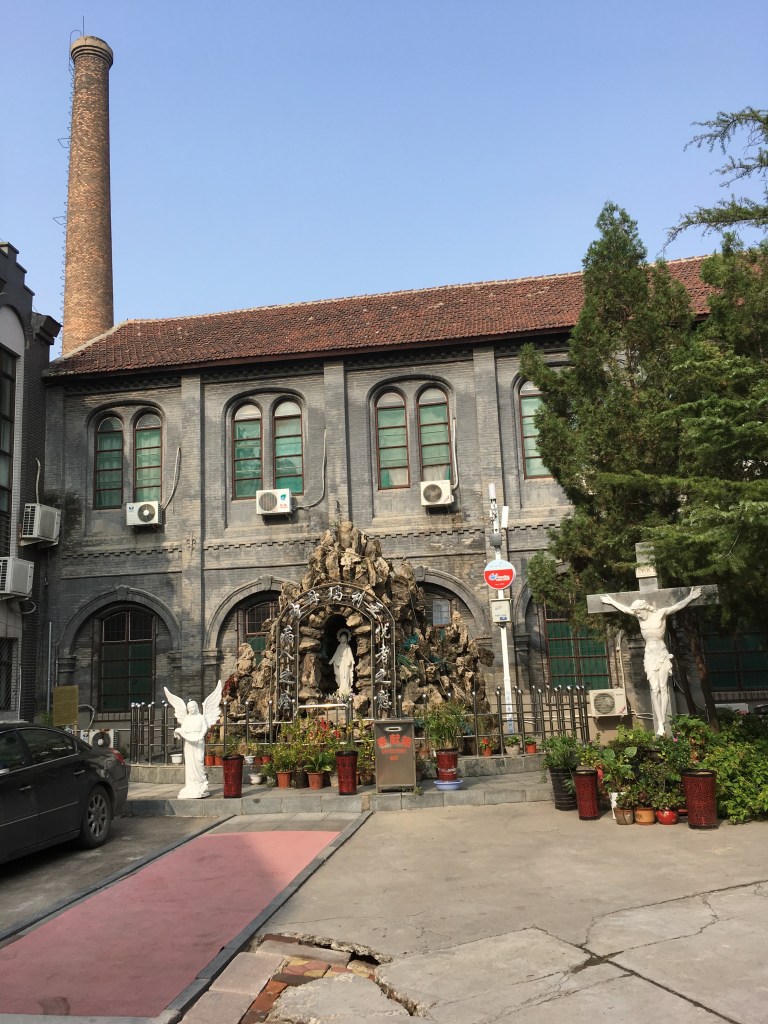
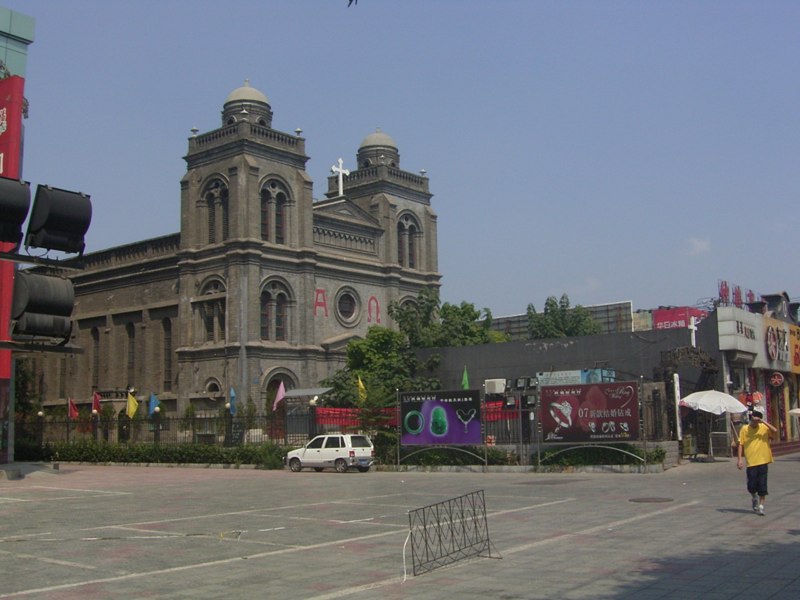
Cathedral of Saints Peter and Paul
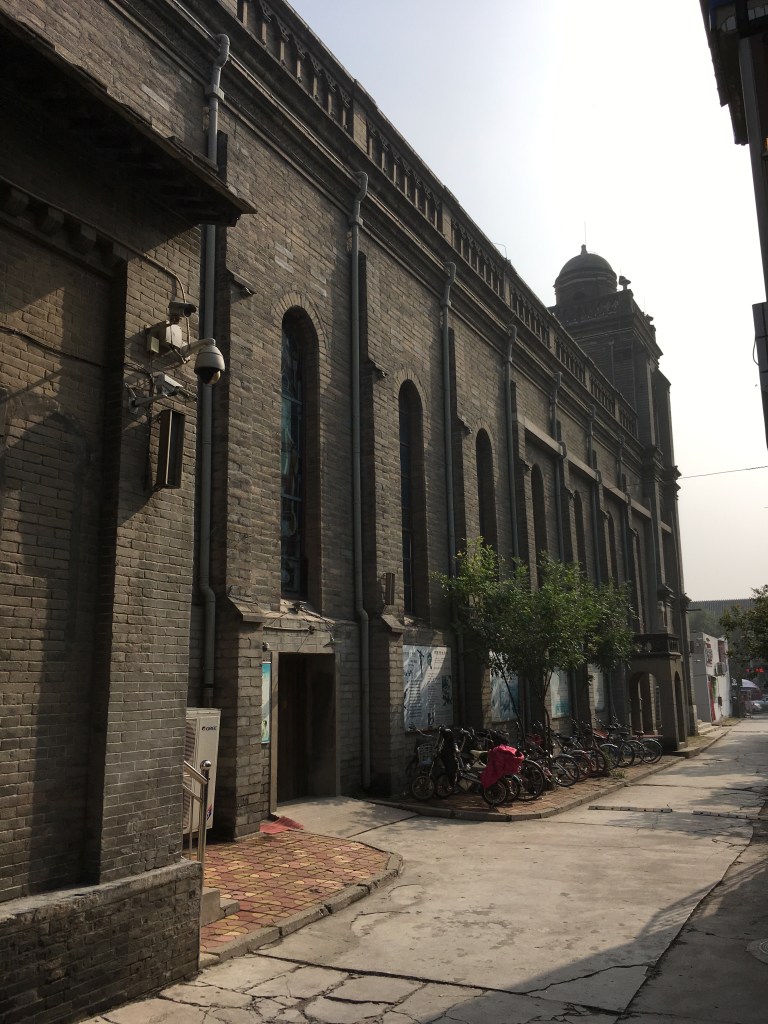
This is a Roman Catholic church in Baoding. It was closed to visitors while I was there on my second trip, to meet another student, but we sneaked into the grounds anyway. Down the side, there was there was the end of something non-Christian going on, but my guide was unable to explain it (not her religion either).
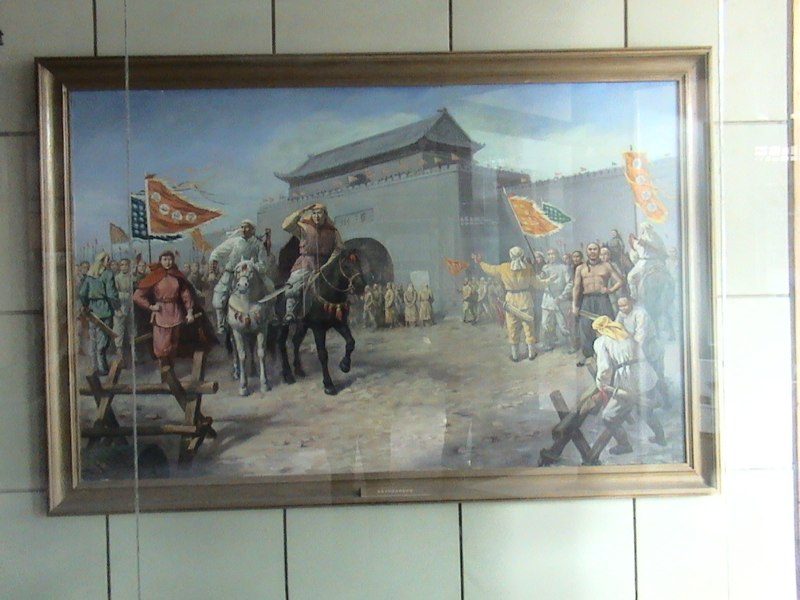
The cathedral is evidence of the foreign occupation. During the Boxer rebellion, the rebels killed a Turk, two Swiss, and an Italian in Baoding. There was – and may still be – a sizeable community of native Chinese Christians in Baoding. There has been some clandestine activity since the revolution up to the present day. Unfortunately, I don’t know much more than that.
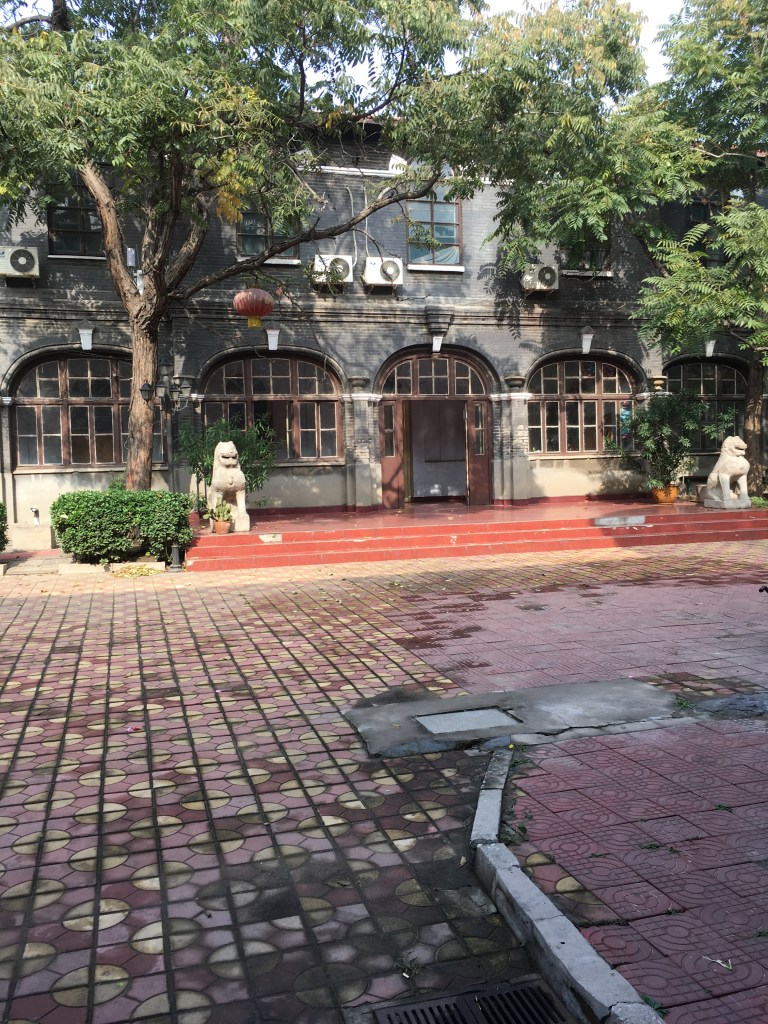
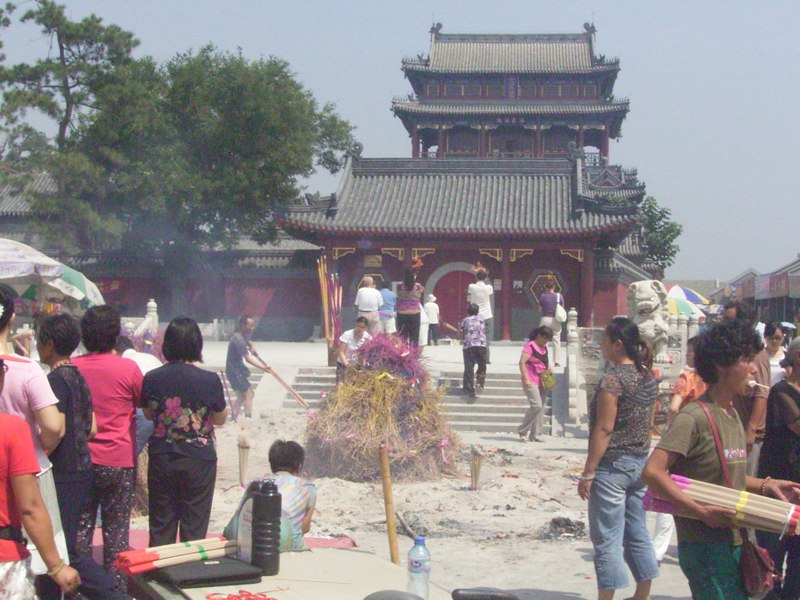
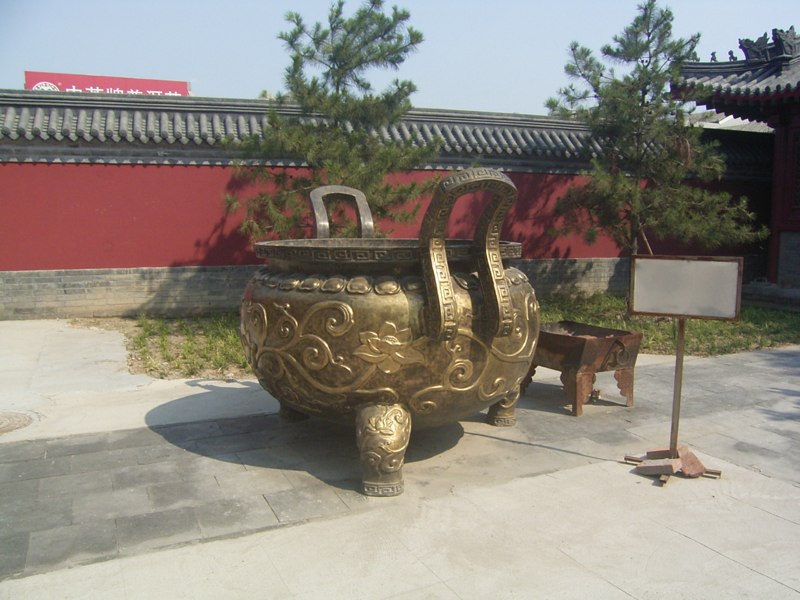
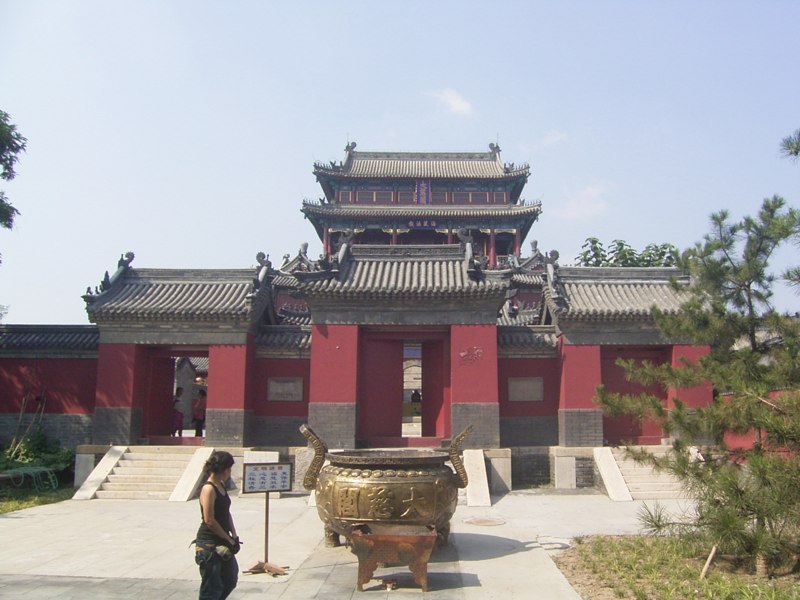
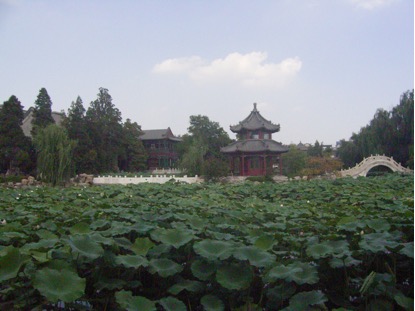
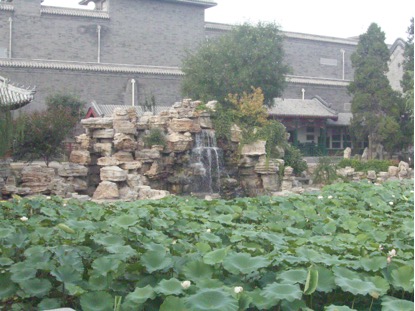
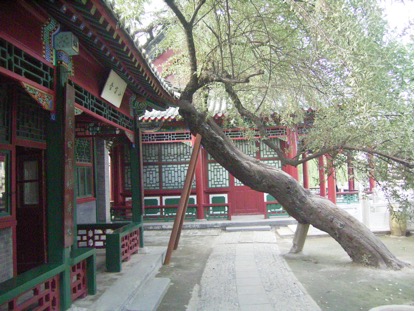
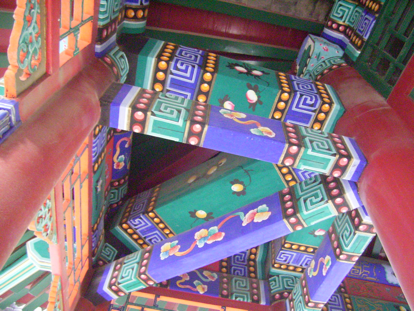
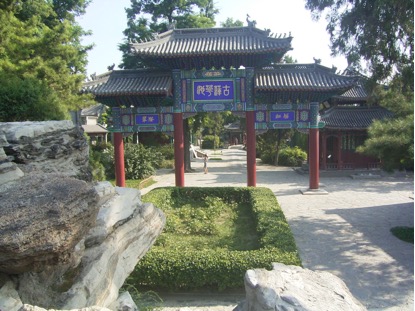
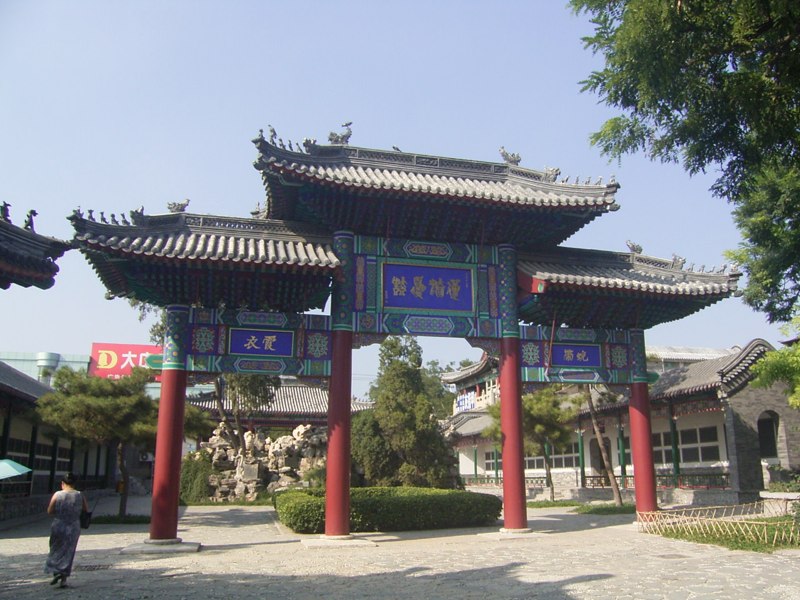
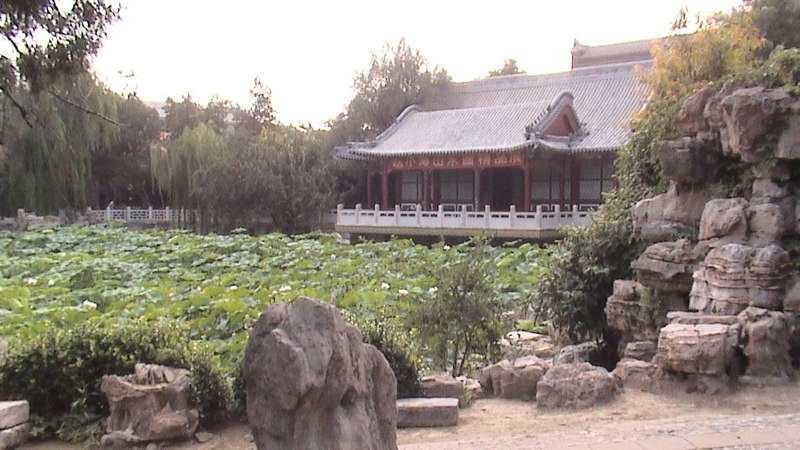
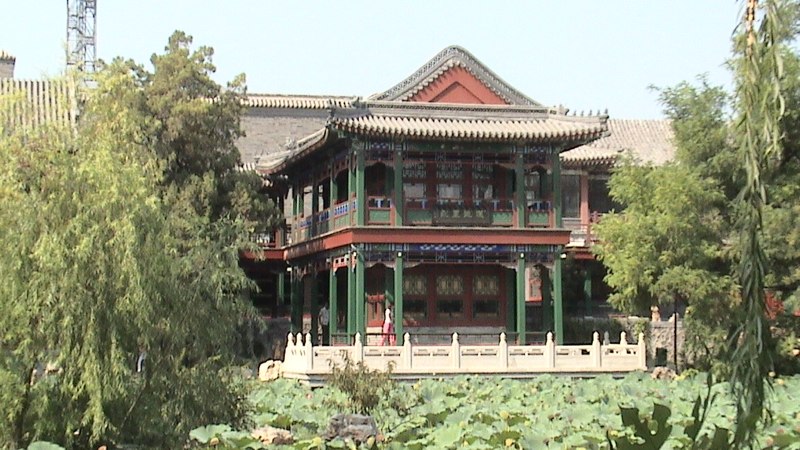
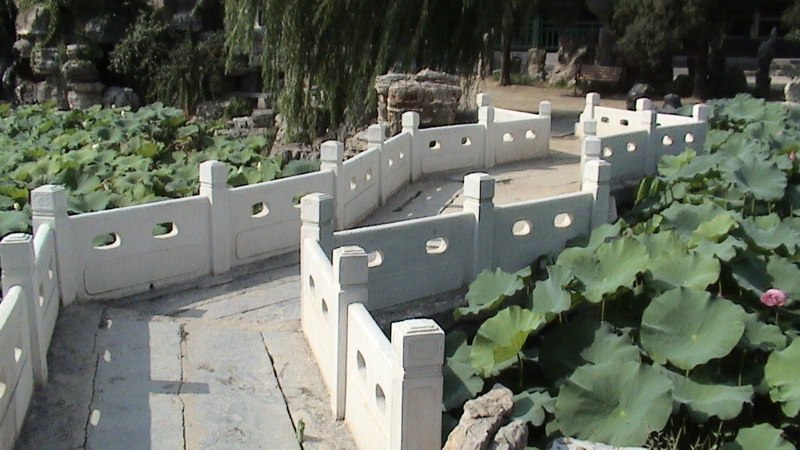
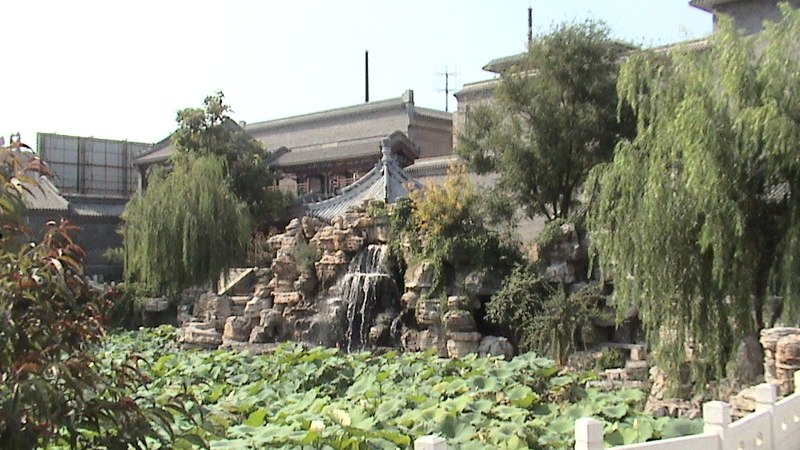
The Old Lotus Garden
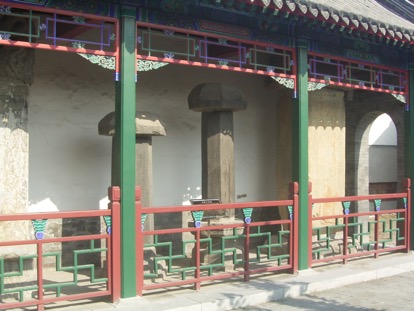
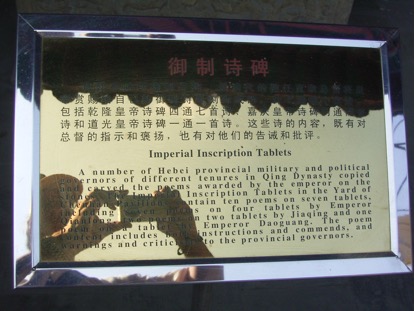
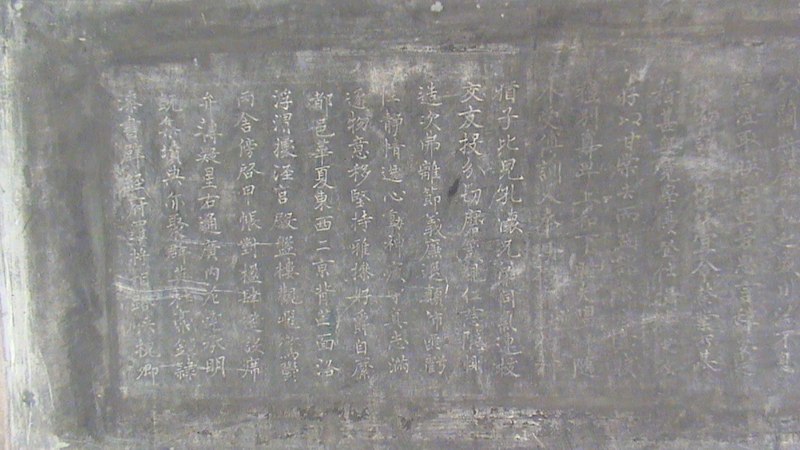
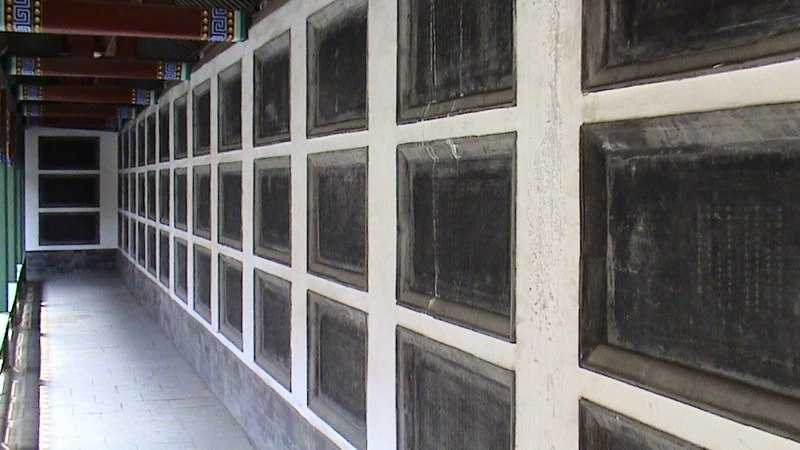
On an extremely hot day, this was the perfect place to escape the dust, noise, and crowds in the city centre. I would discover later that not many locals were actually aware of its existence, possibly because the entrance was so small and unassuming. The garden itself was not huge, but it was interesting enough, with collections of ancient stele and calligraphy.


Mancheng
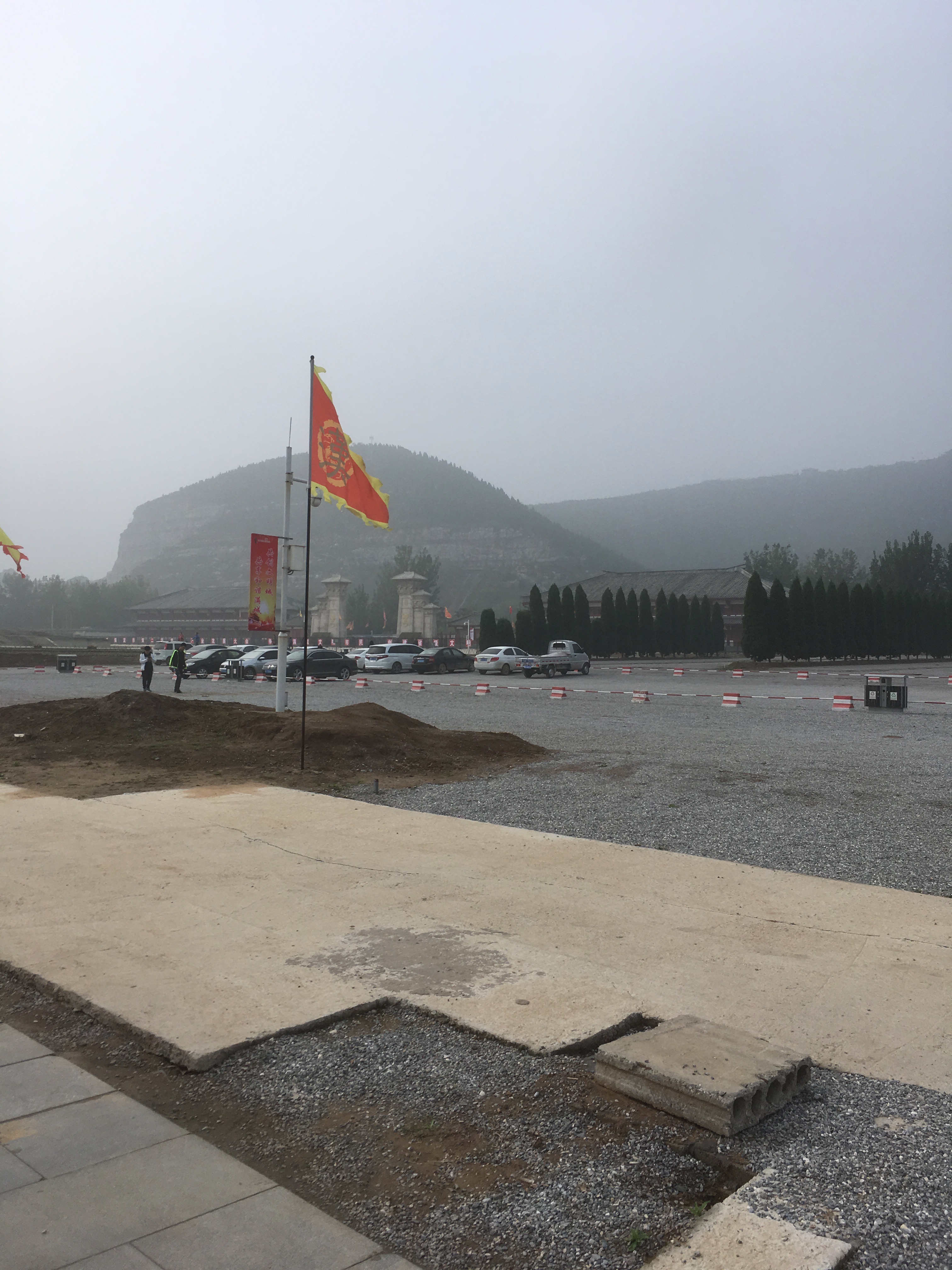
In the northwestern suburban district of Baoding known as Mancheng (满城区; Pinyin: Mànchéng Qū) is Mausoleum Hill (陵山), a triple-peaked foothill of the eastern edge of the Taihang mountains. I visited here on my last trip to Baoding, together with a former student, her husband and child.
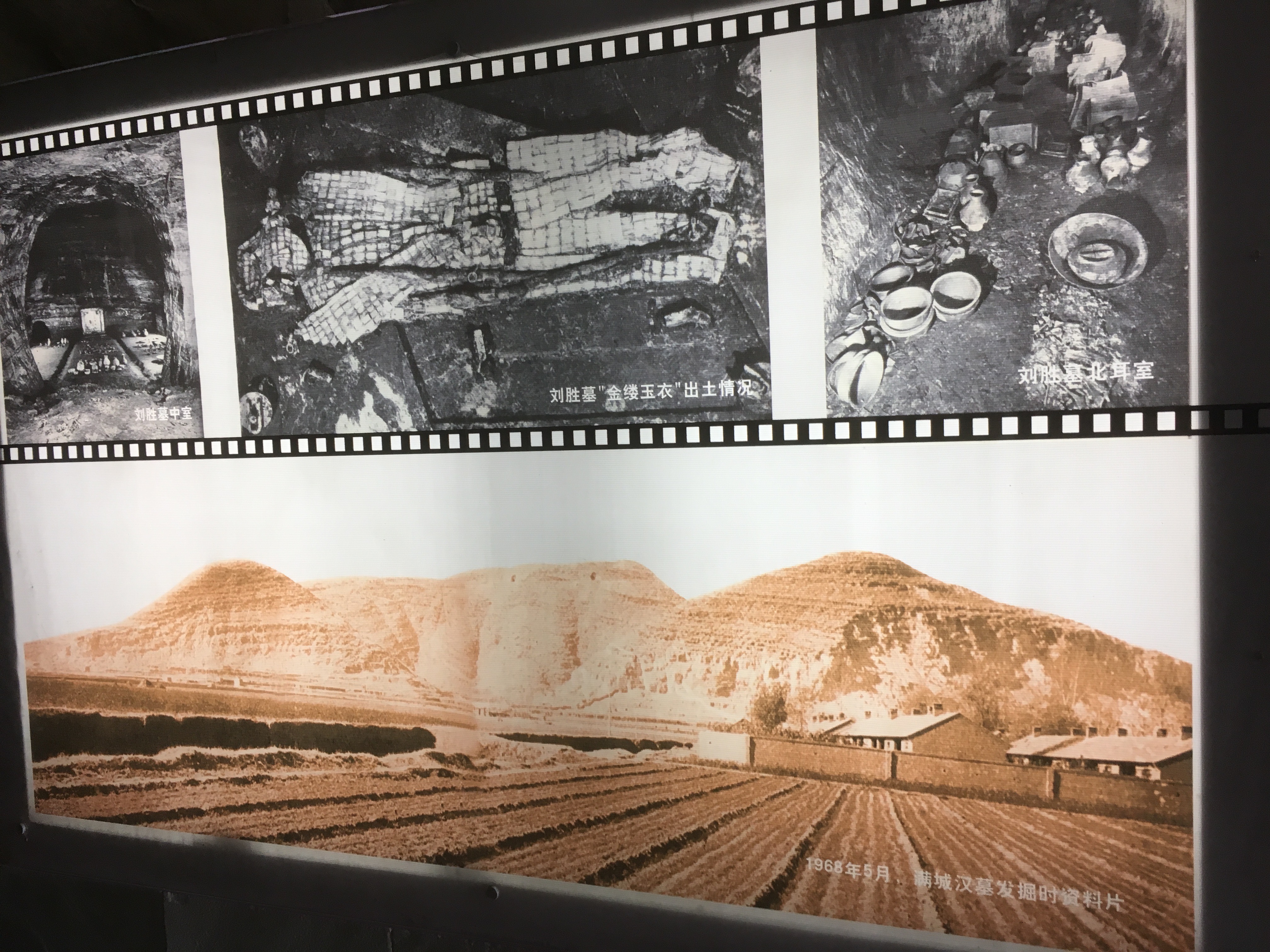
Baoding was an important strategic location during the Jin and Yuan dynasties, defending the capital from the south. About 800 years later, it was still considered a strategic location, so in 1968 a construction unit from the People’s Liberation Army was deployed to dig secret anti-aircraft positions into the sides of the hill. On 22 May 1968, when the PLA, having tunnelled 50 metres into the east side of the central peak, set off another blast, the sound of the explosion was dull and echoed.
When the dust had cleared, they found that they had blasted their way into a cave filled with pottery vessels, decaying wood, lumps of stones, and pieces of bones. Two days later archaeologists were sent to investigate, and they confirmed that the PLA had blasted into the side chamber of an ancient tomb dug into the mountainside.
The following month Chairman Mao and Zhou Enlai were informed of this important archaeological discovery, and Zhou Enlai approved its excavation. Exactly two months after its discovery, on 22 July, Guo Moruo, as President of the University of Science and Technology of China, paid a visit to the site, and archaeologists were able to confirm that this was a Western Han tomb belonging to Liu Sheng 劉勝, Prince Jing of Zhongshan (died 113 BC). Sometime later, the tomb of Liu Sheng’s wife, Dou Wan 竇綰, was discovered 120 m to the north. Neither tomb had been robbed, and many precious goods were discovered in the tombs, including jade burial suits for the prince and his consort.
This is one of the most important archaeological sites relating to the Western Han imperial family.




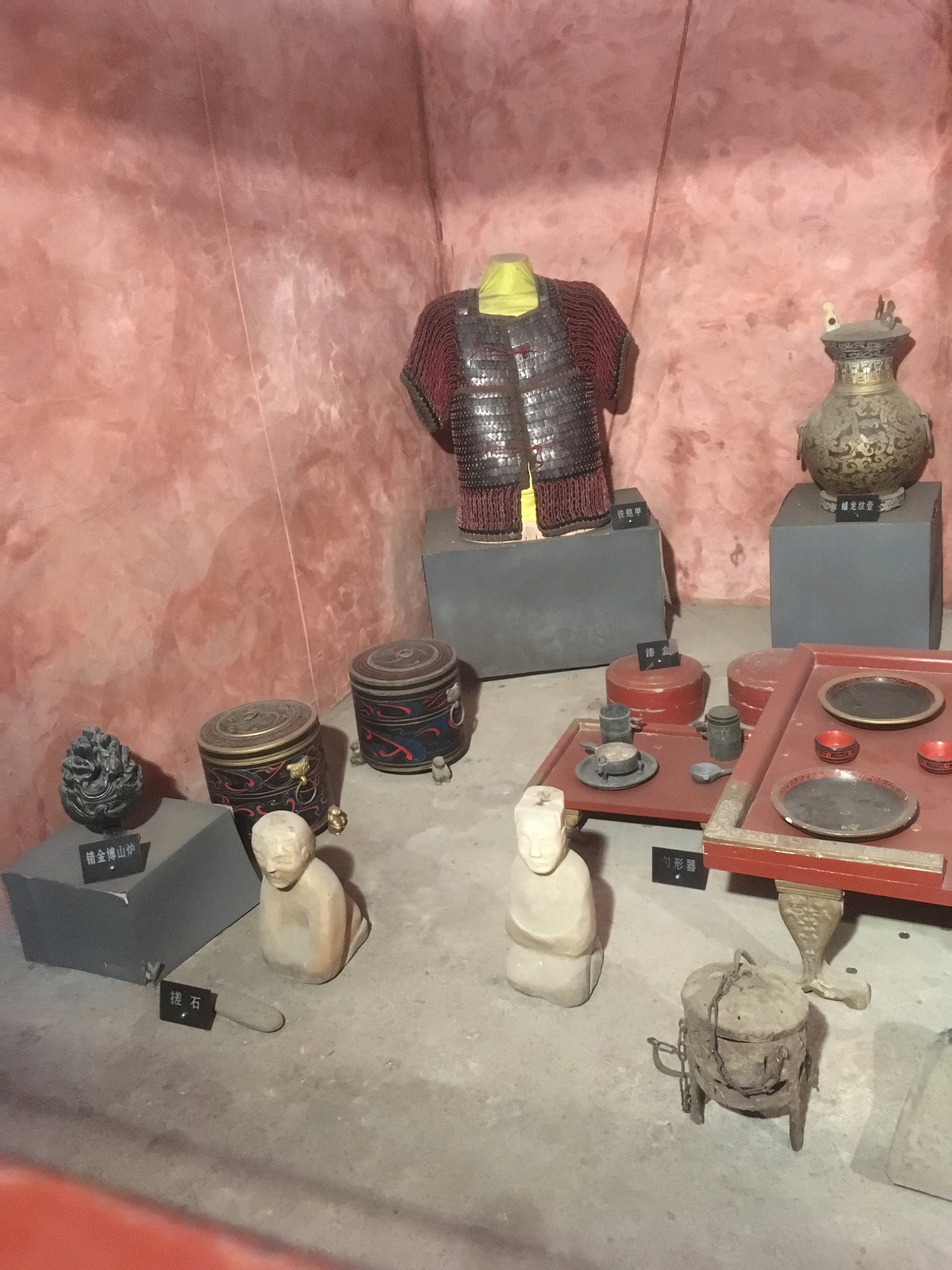


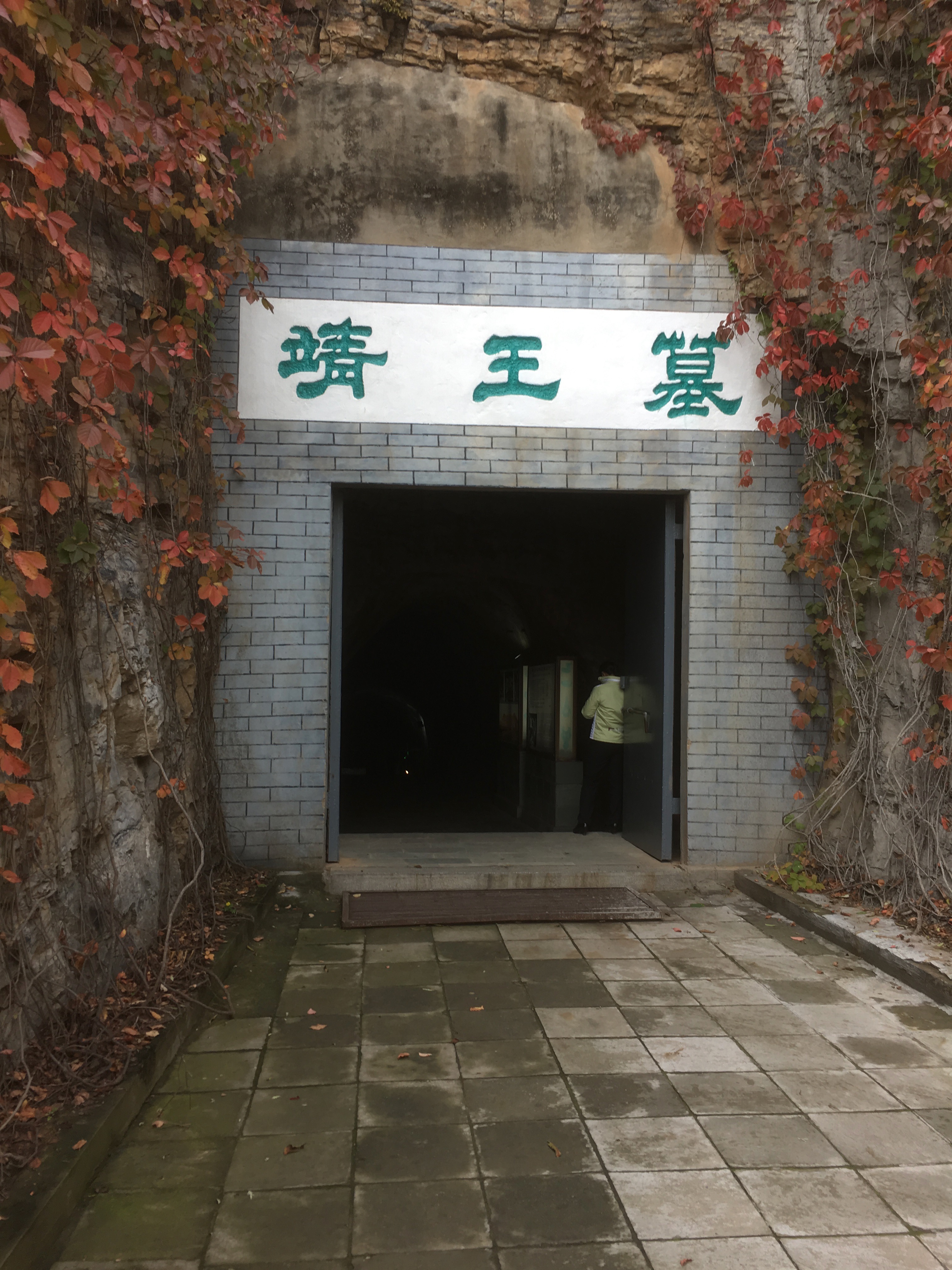
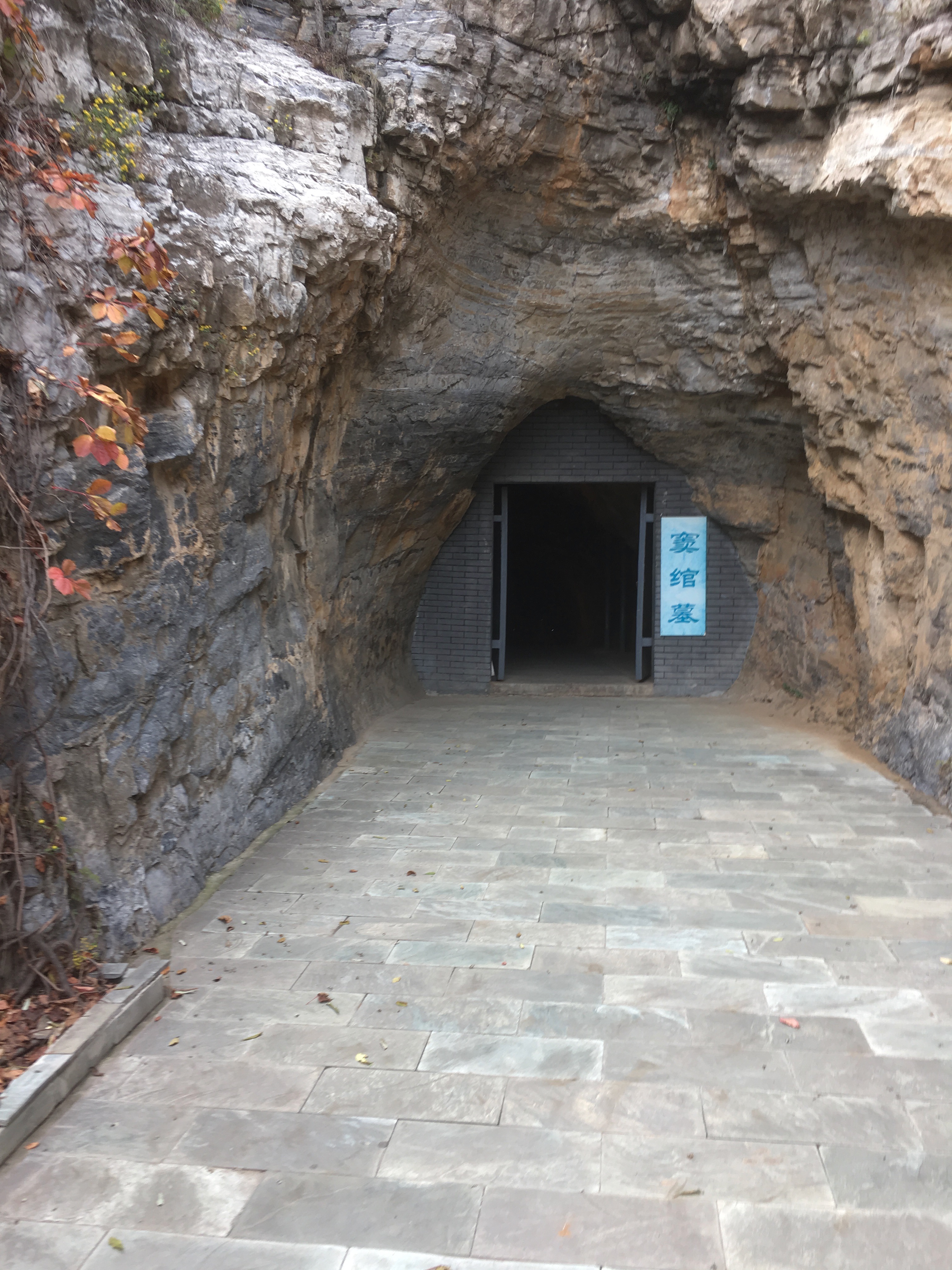


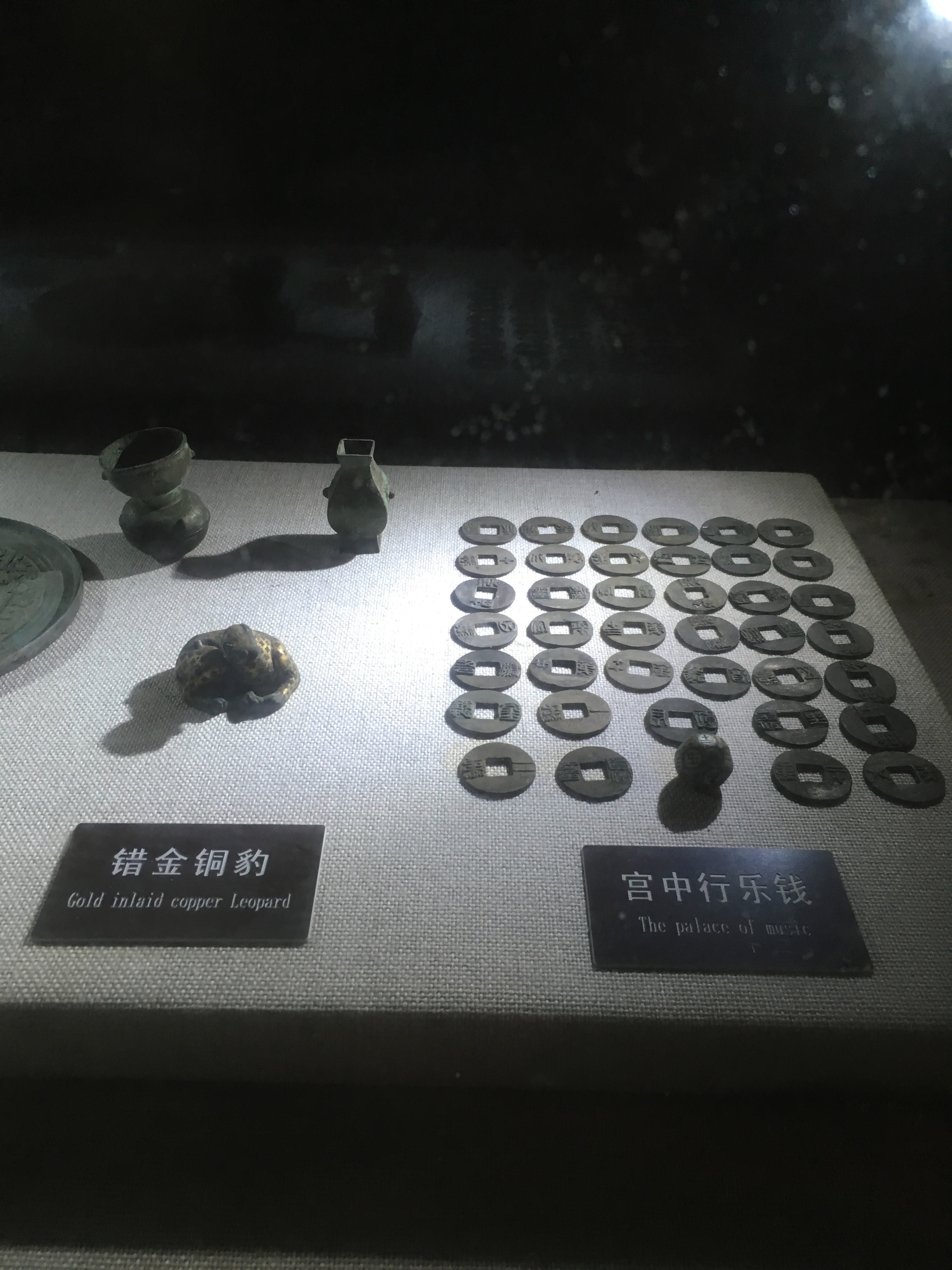
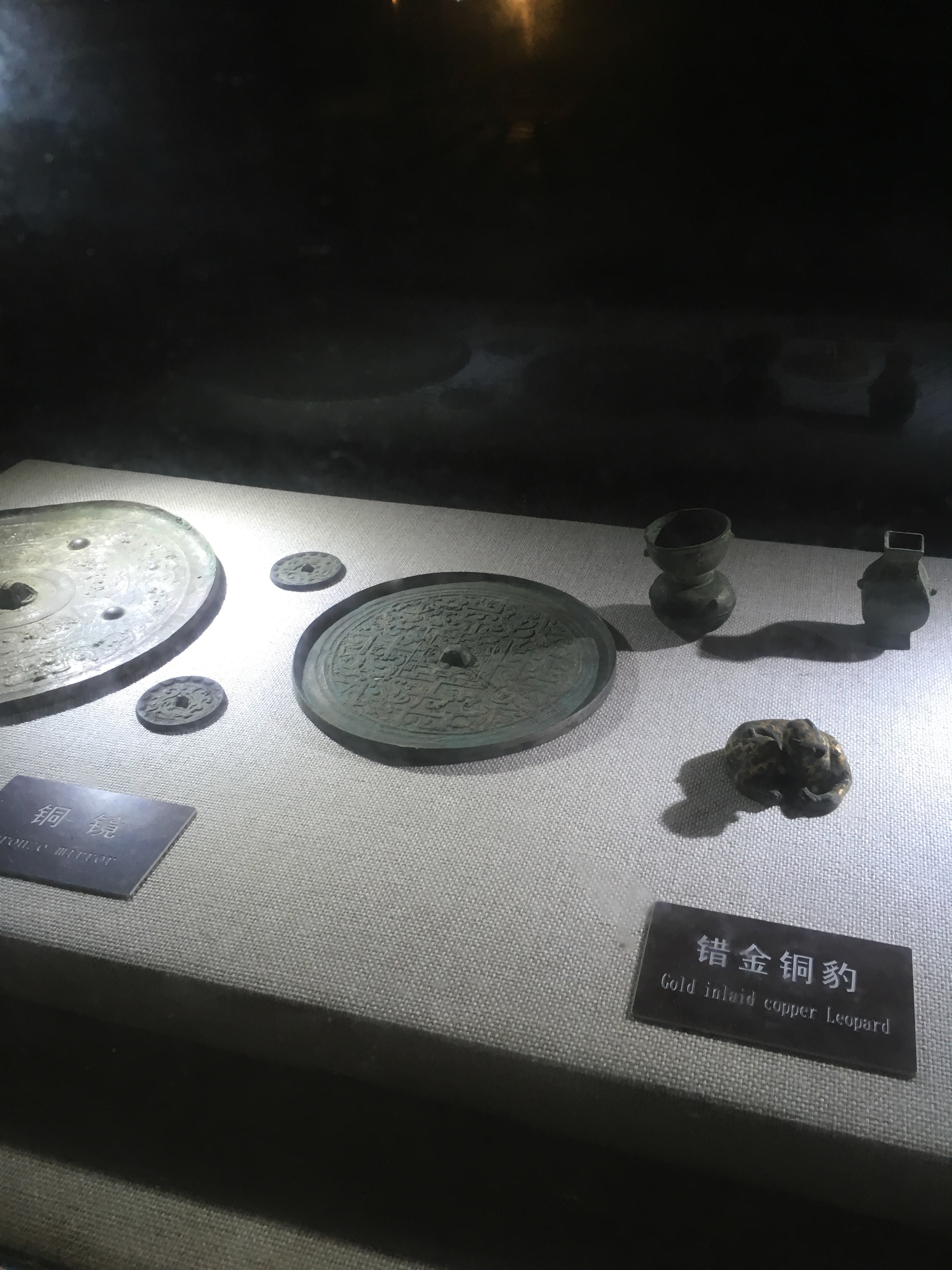


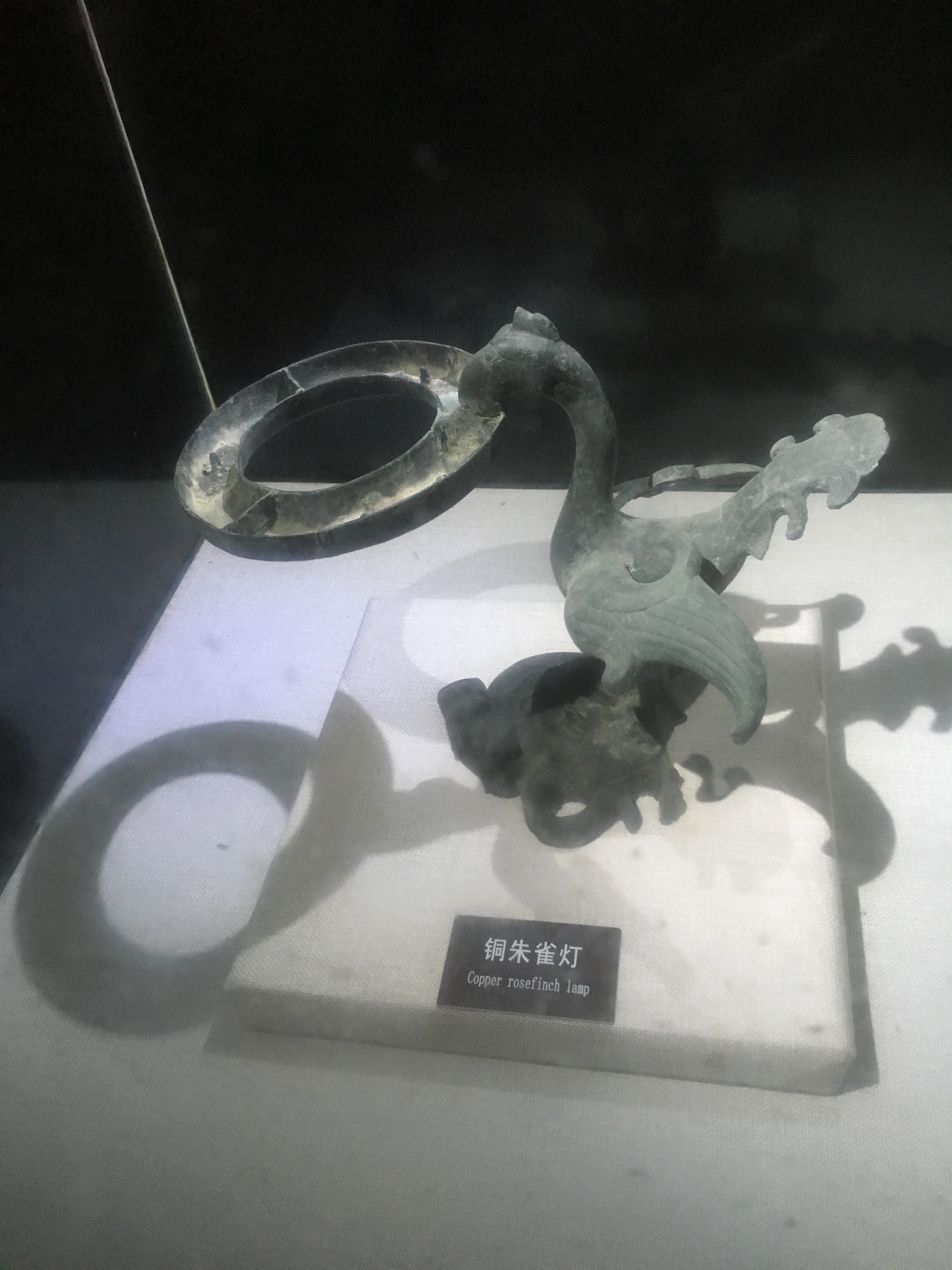


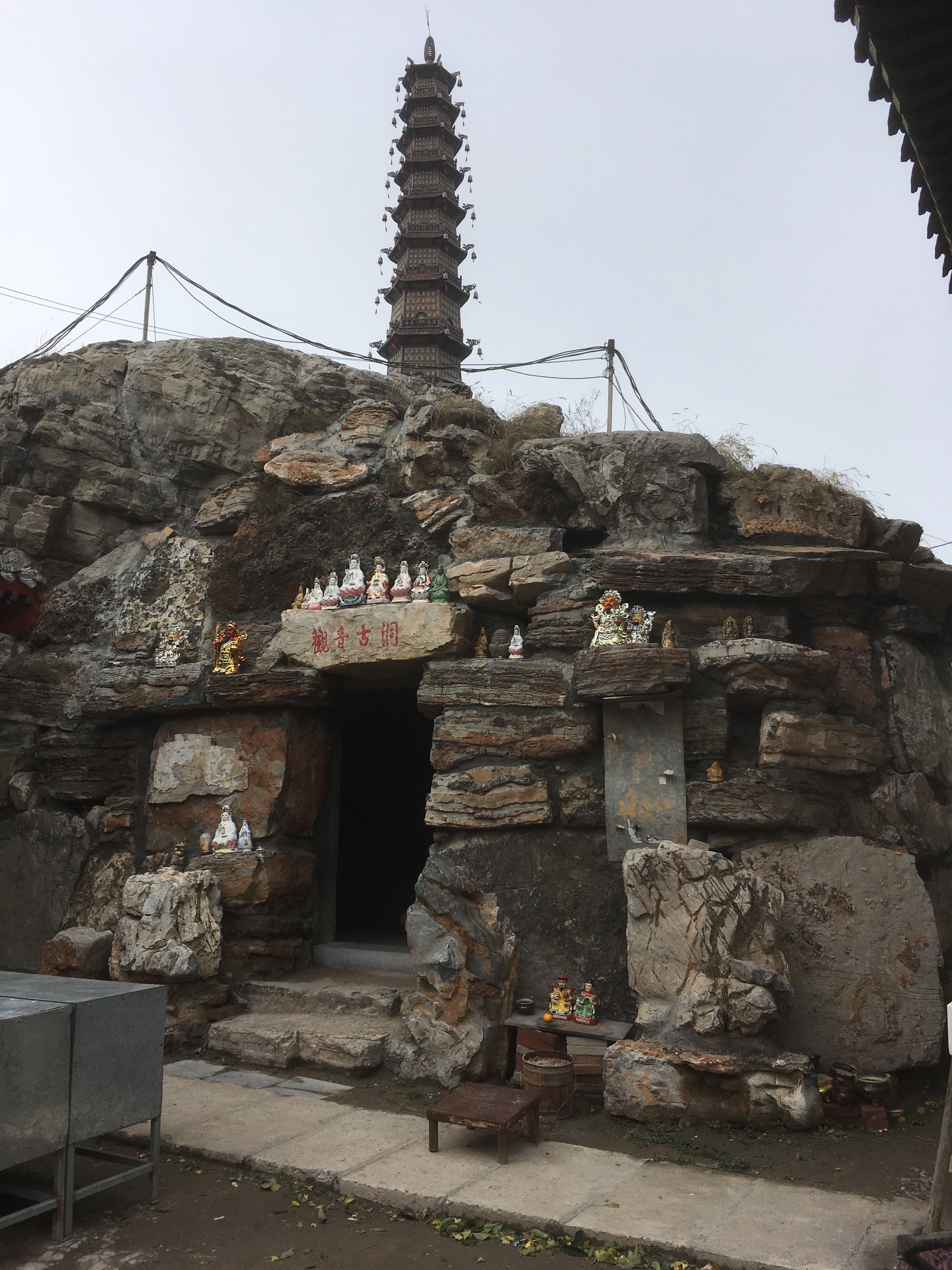


Most (maybe all) artefacts on site now are reproductions, as the extremely valuable originals are in museums in Beijing and elsewhere.
One of the interesting finds is a collection of game tokens and an 18-sided die, which were used for a drinking game.

Sixteen of the die’s faces are inlaid with the numbers one to sixteen, and the top and bottom faces are inlaid with the characters “驕” (“proud/arrogant”) and “來酒” (“bring wine”). A similar 18-sided die found in the Han tomb at Mawangdui has the characters “驕” and “畏妻” (“be afraid of your wife”) on the top and bottom faces. The die was used for a drinking game together with the coin-shaped bronze tokens.
Ascent of the tree-covered hill – no good views beyond the trees, unfortunately – is by walking (steep, but steps) or cable car, but there is a third way down: by rail sled.


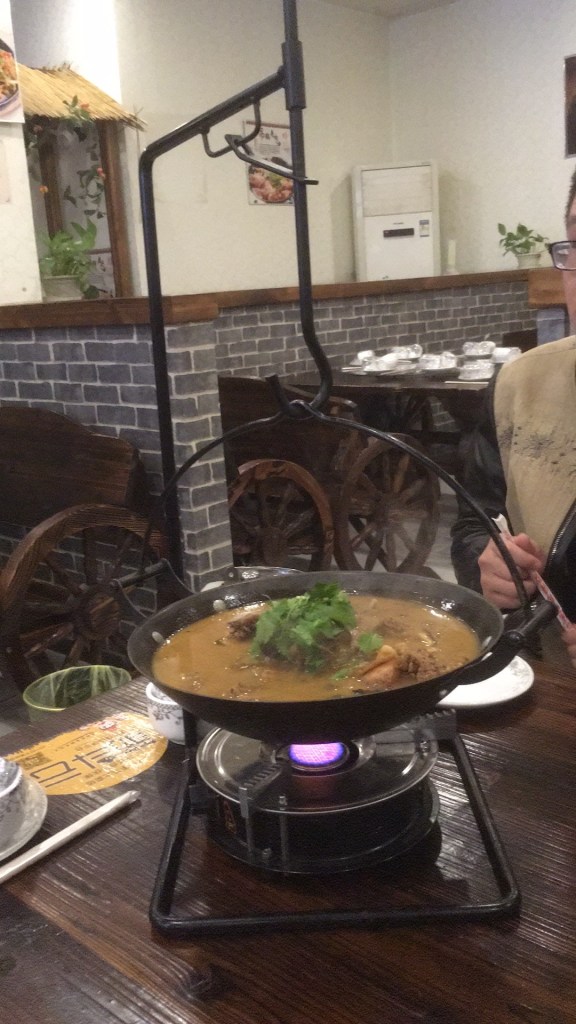
On the way back into town, we stopped off at a small restaurant, which was about to close. They really didn’t have much food left, but we did get some lamb bone stew, with gristle and fat, to accompany some plain boiled rice. I did like the presentation, though.
 Personal homesite