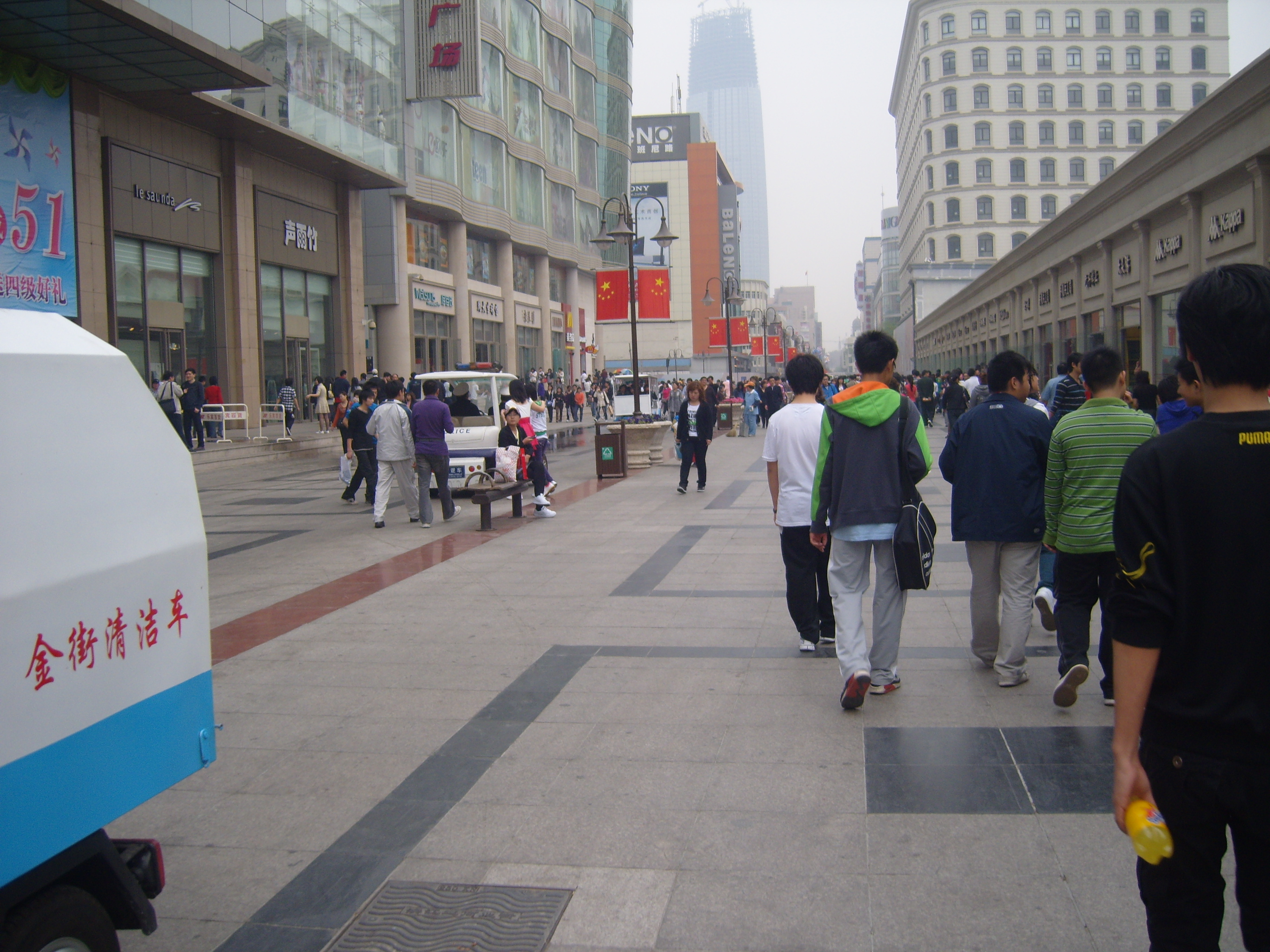
Tianjin, like Beijing, is not part of a Province, but is administered directly by the State Council (Chinese central government). It is almost surrounded by Hebei Province; the rest borders on Beijing or is open to the Bohai Sea. More than 11 million of its roughly 14 million inhabitants live in its built-up area. The majority of the population lives in the central city, with densities up to about 75,000 persons per square mile (29,000 persons per square km). It is a hugely important city in terms of China’s history and current economy, but is not a great place to visit, with a general feeling of claustrophobia and overcrowding, especially on public transport, although having said that, there are some sights worth seeing, and some pretty good restaurants, should you find yourself there for any reason other than tourism.
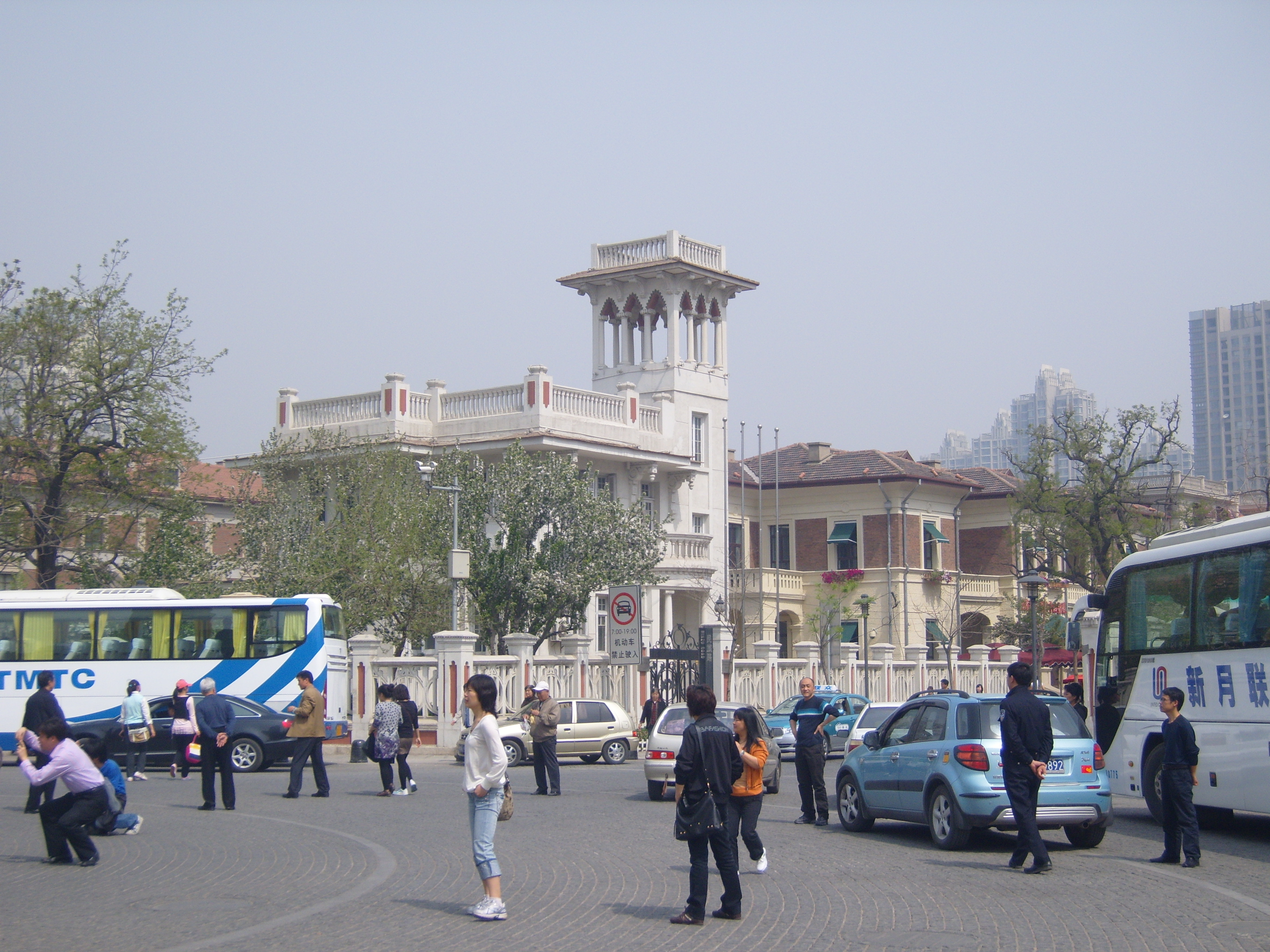
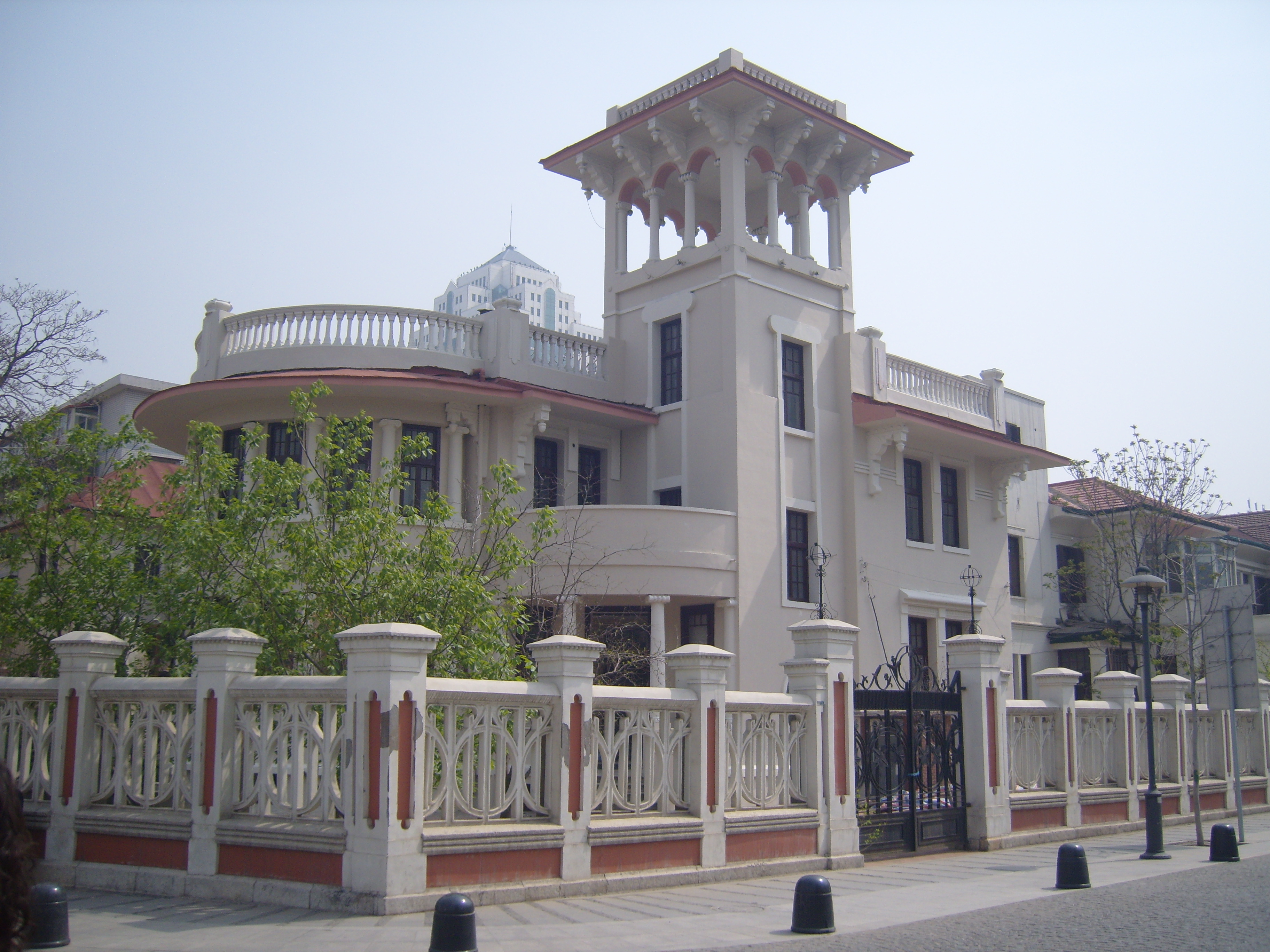
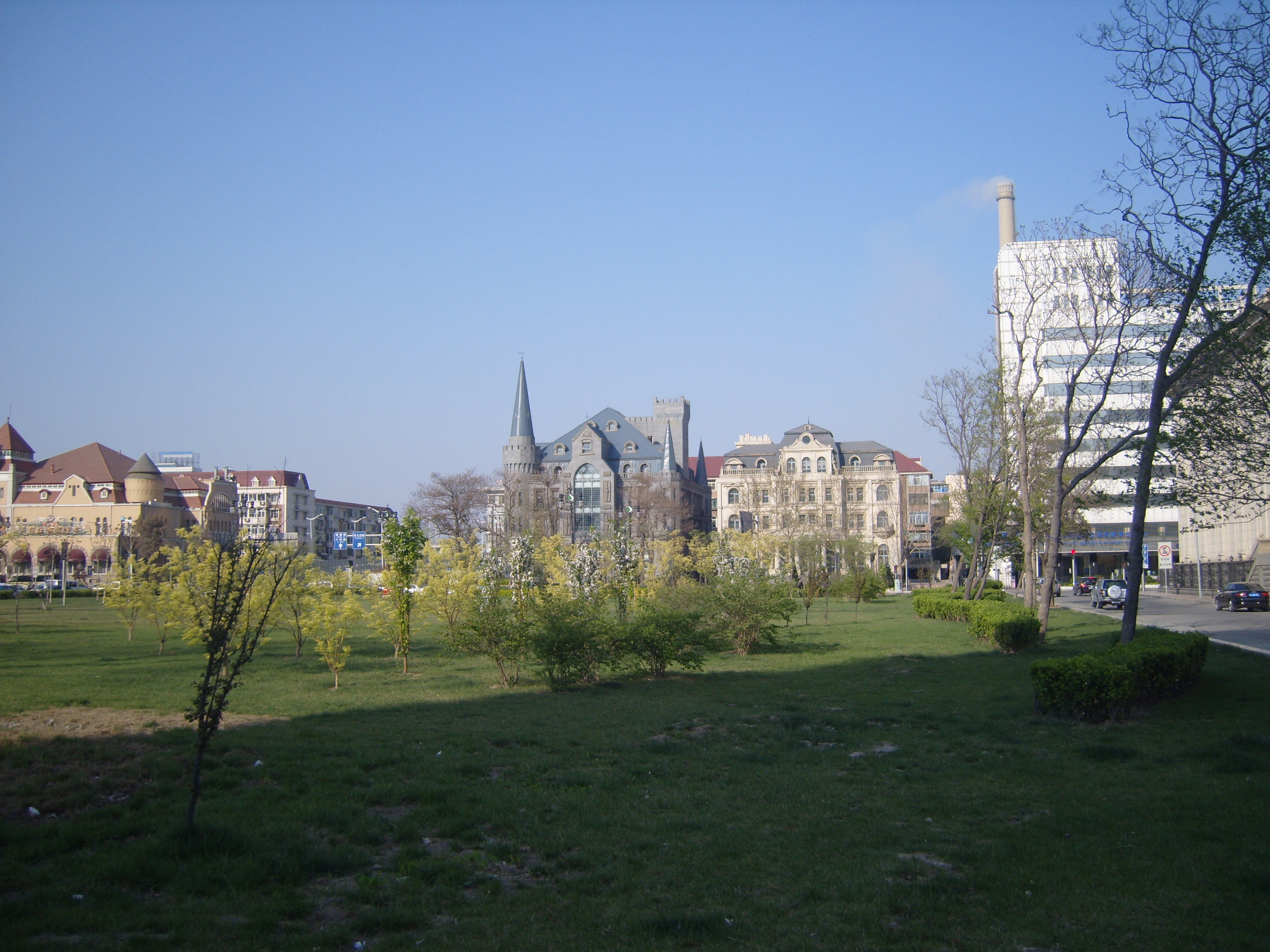
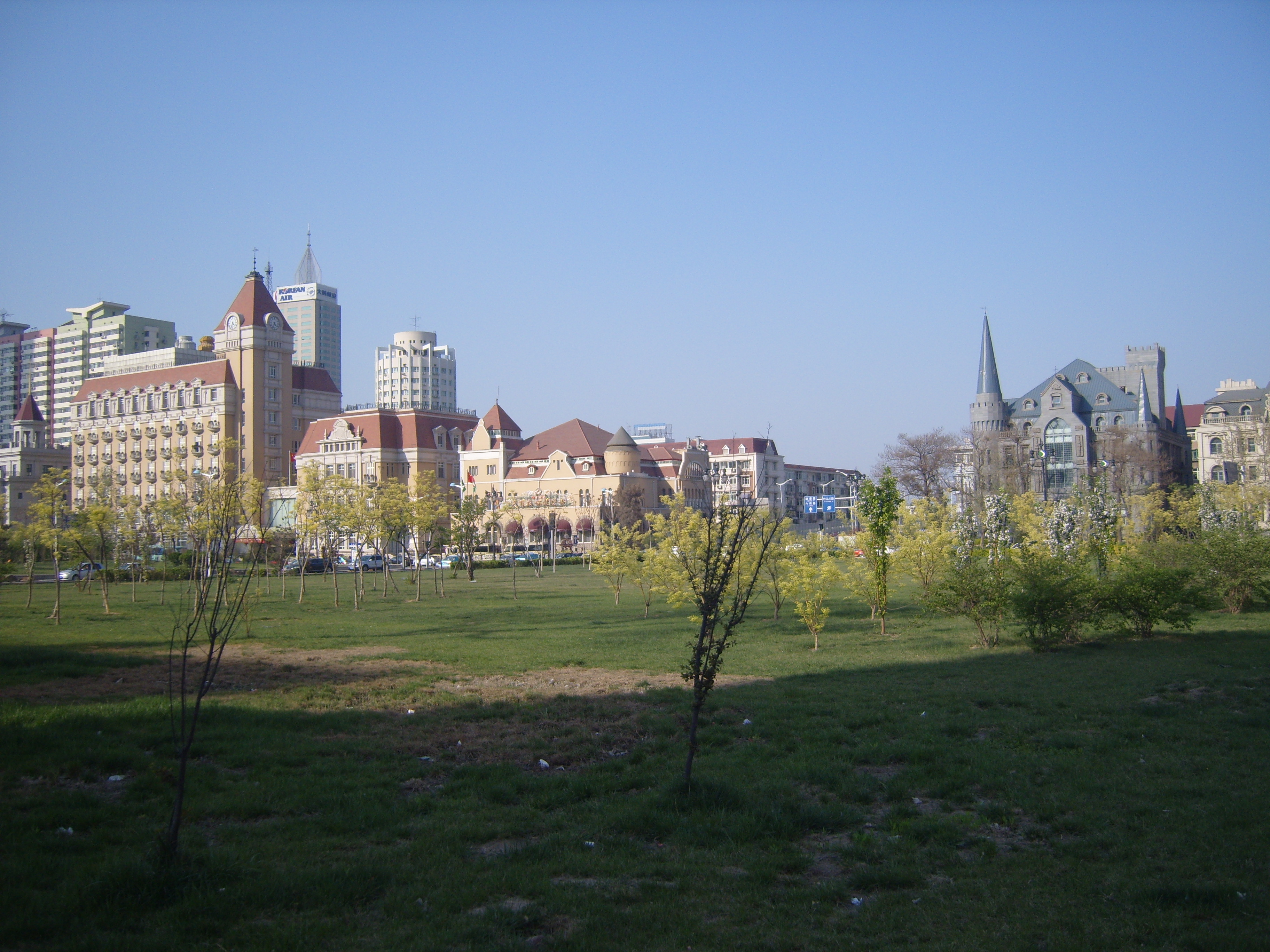
One of the more unexpected sights is the “Italian Style Town” (aka “Italian Style Street”). First designated to the Italian colonists of Tianjin in 1902 – the Italians were relative latecomers – see the Treaty of Tientsin (sIgned in June 1858 by Qing dynasty, Russian Empire, Second French Empire, United Kingdom, and the United States). Between 1895 and 1900, Britain and France were joined by Japan, Germany and Russia, and even by countries without Chinese concessions such as Austria-Hungary, Italy and Belgium, in establishing self-contained concessions in Tianjin, each with its own prisons, schools, barracks and hospitals. This concession was occupied by Italy until the end of World War II, and in 1946, was finally handed over to local Chinese authorities. With the intention of revamping the once thriving area into a tourist hub, in 1999 Tianjin’s city government entered into an agreement with a construction corporation to protect and redevelop the Italian concession into ‘Italian Style Town’. The renovation was completed in 2005 and opened to the public in 2008. Today, Italian Style Town is one Tianjin’s most popular attractions – which, of course, means it can be extremely busy.
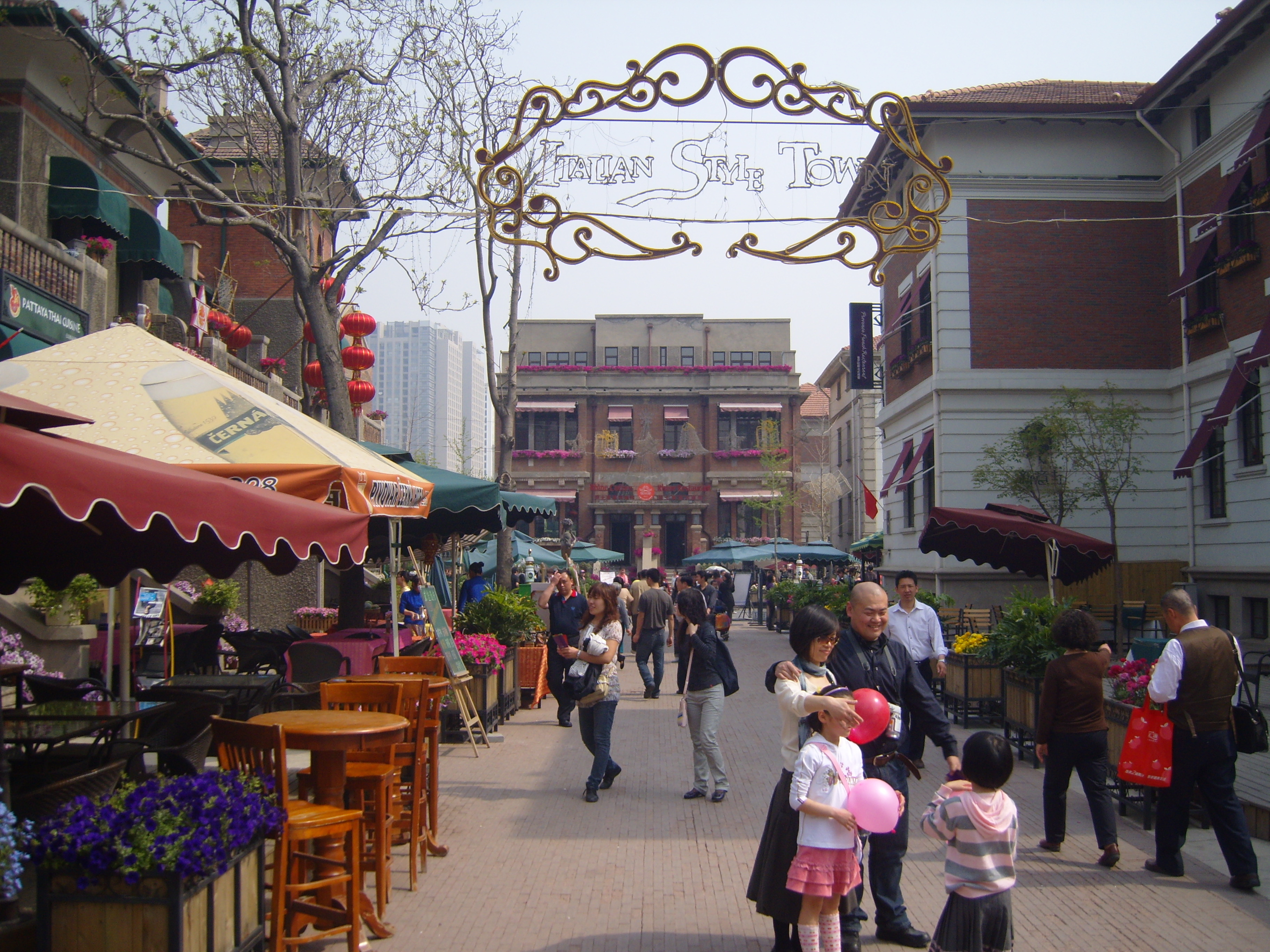
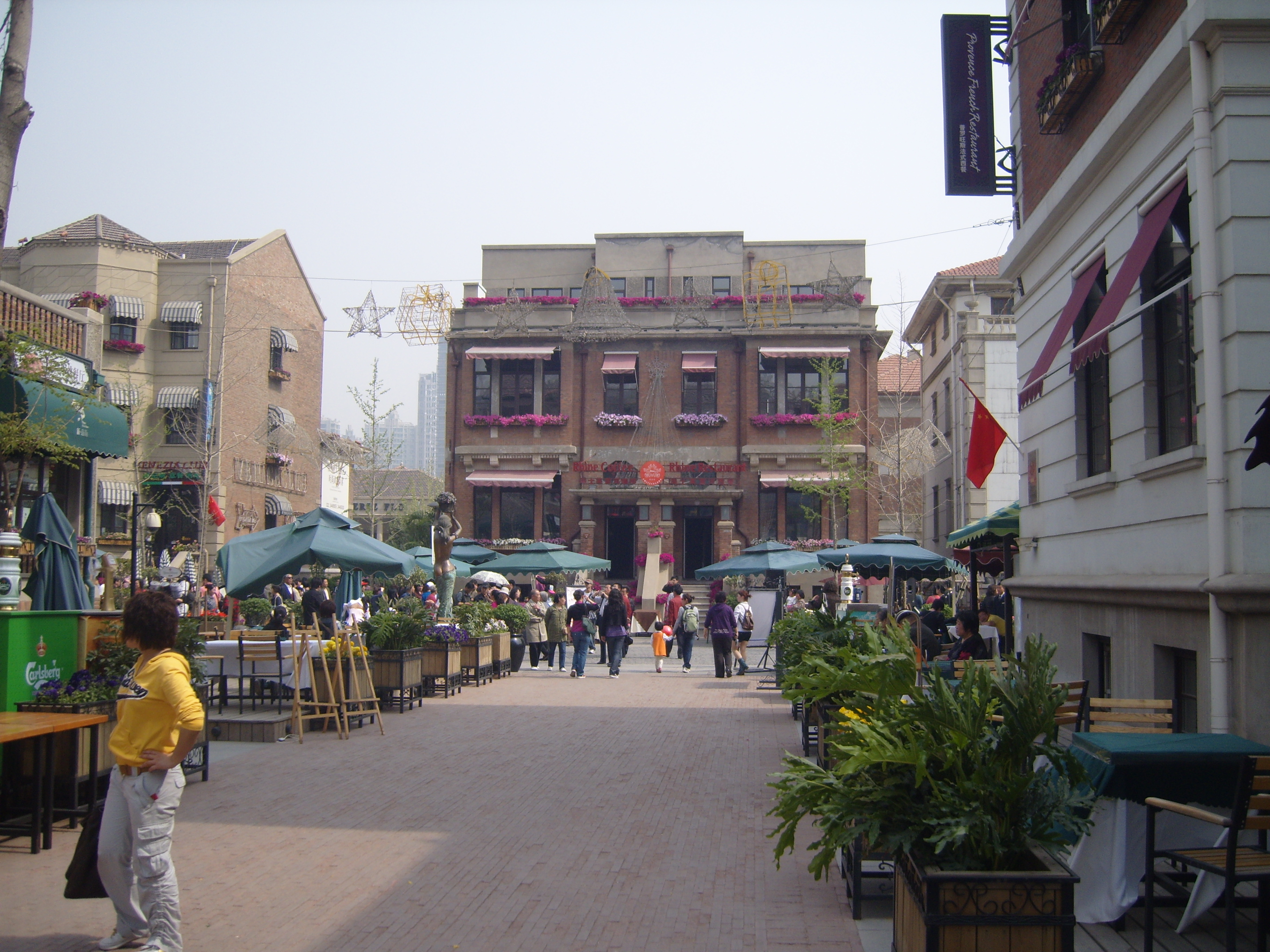
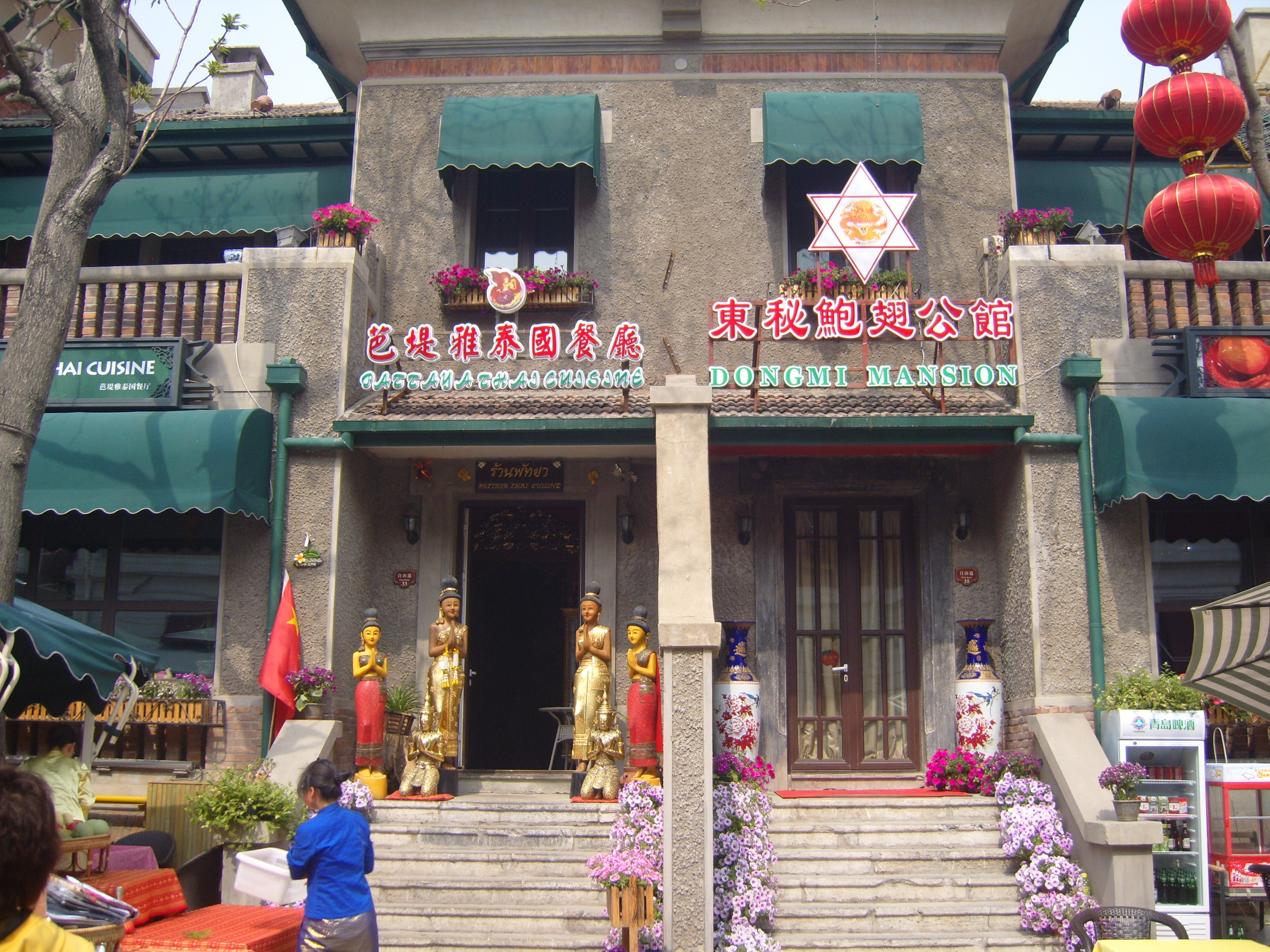
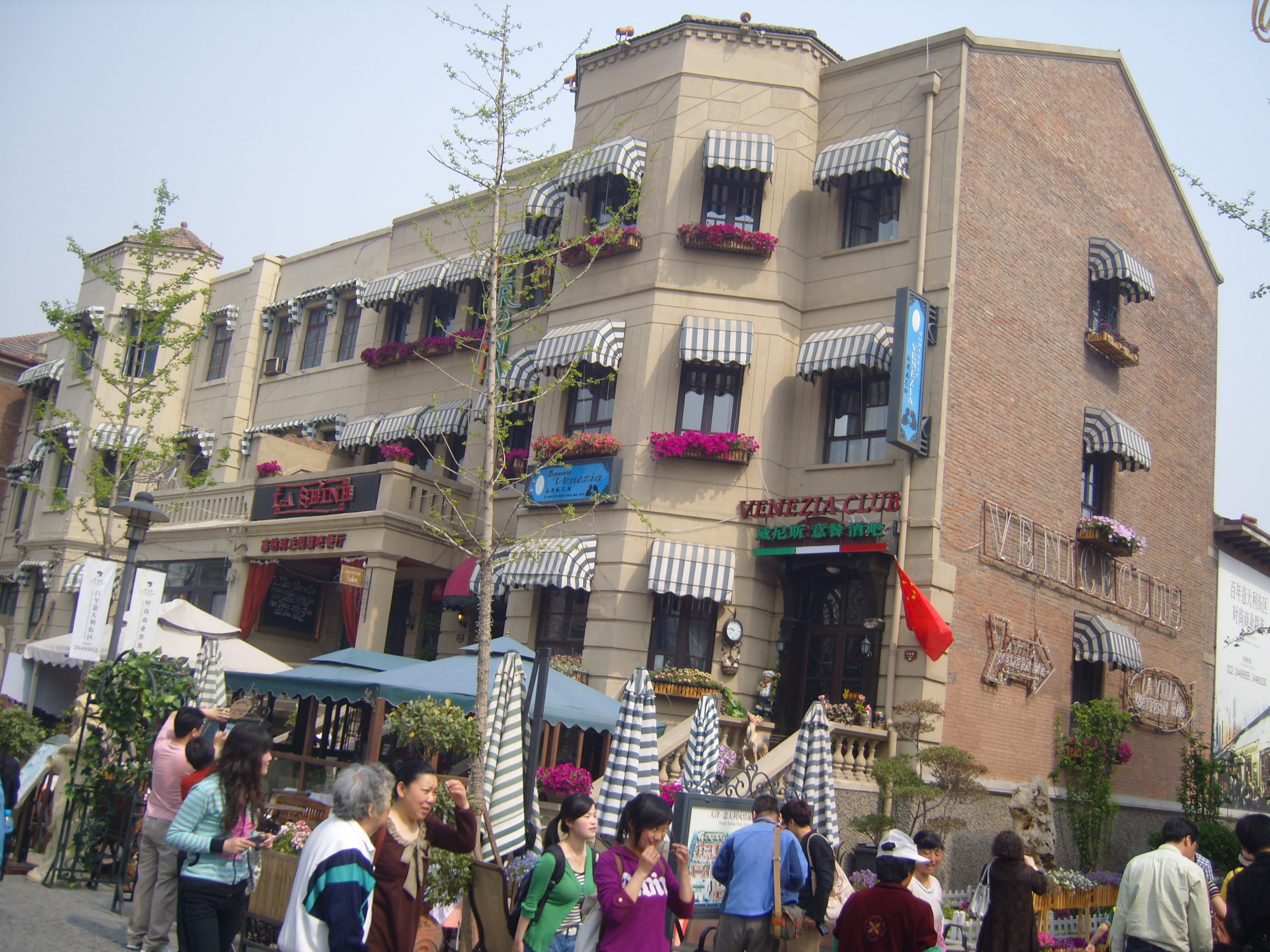
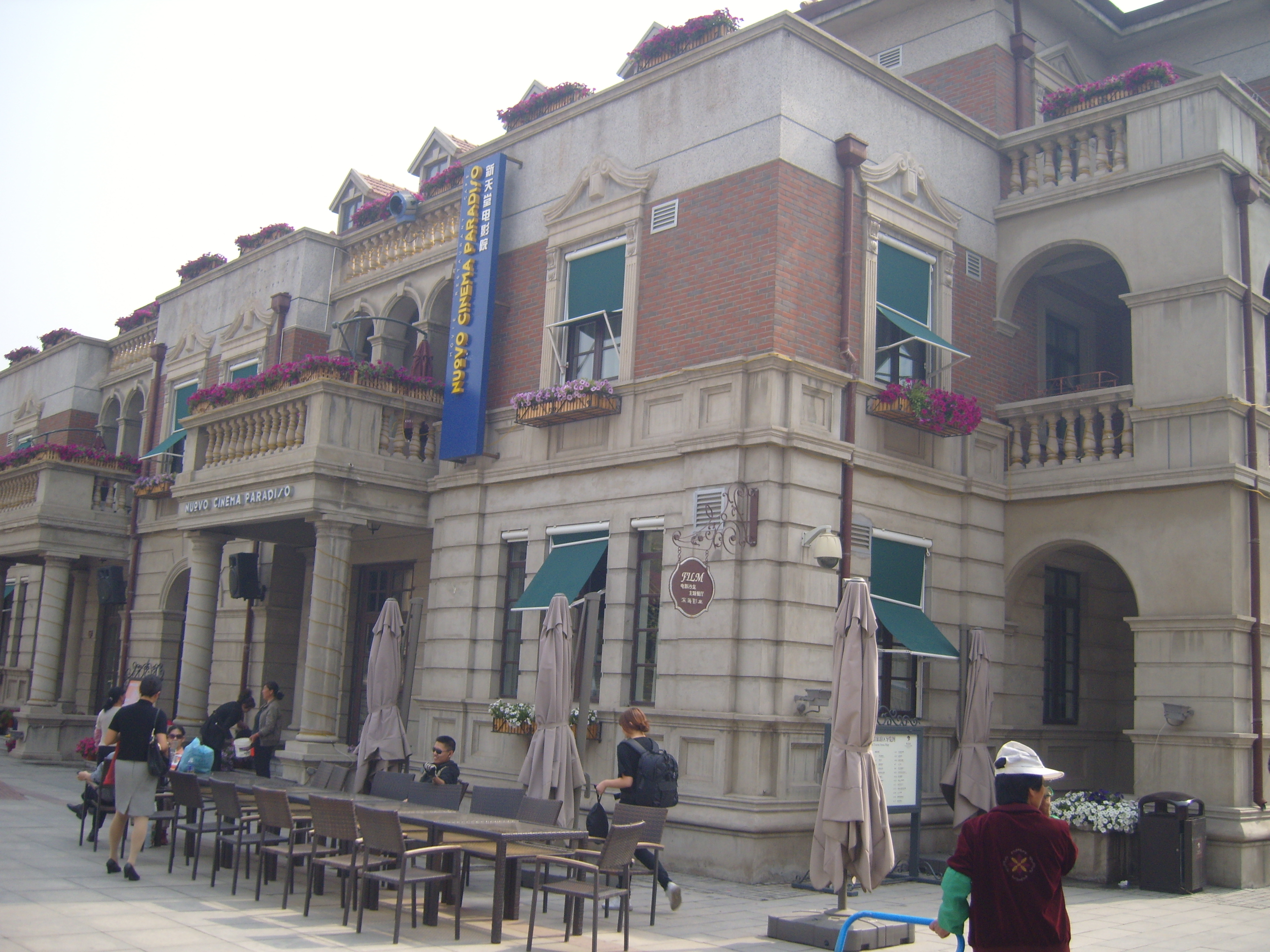
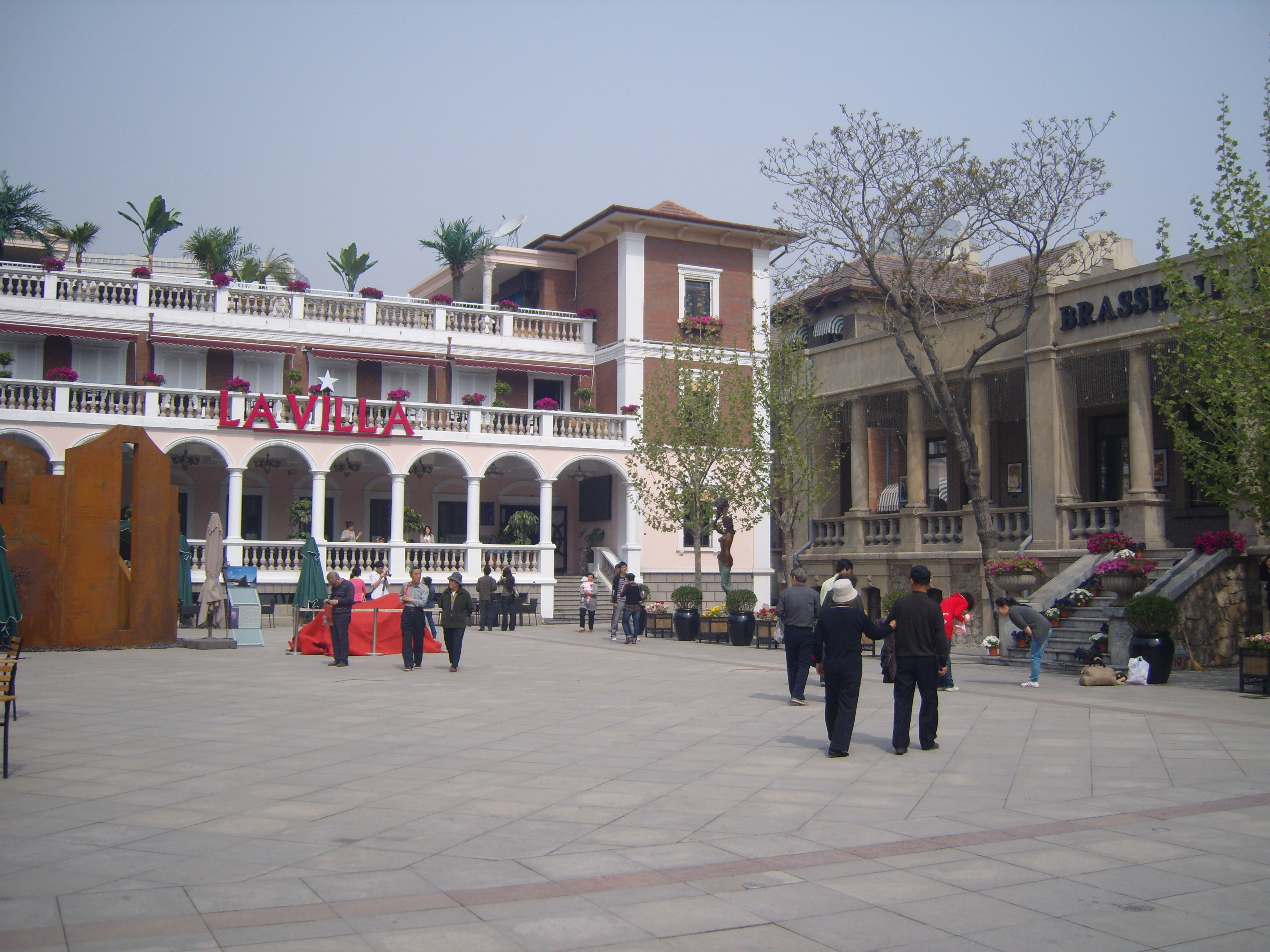
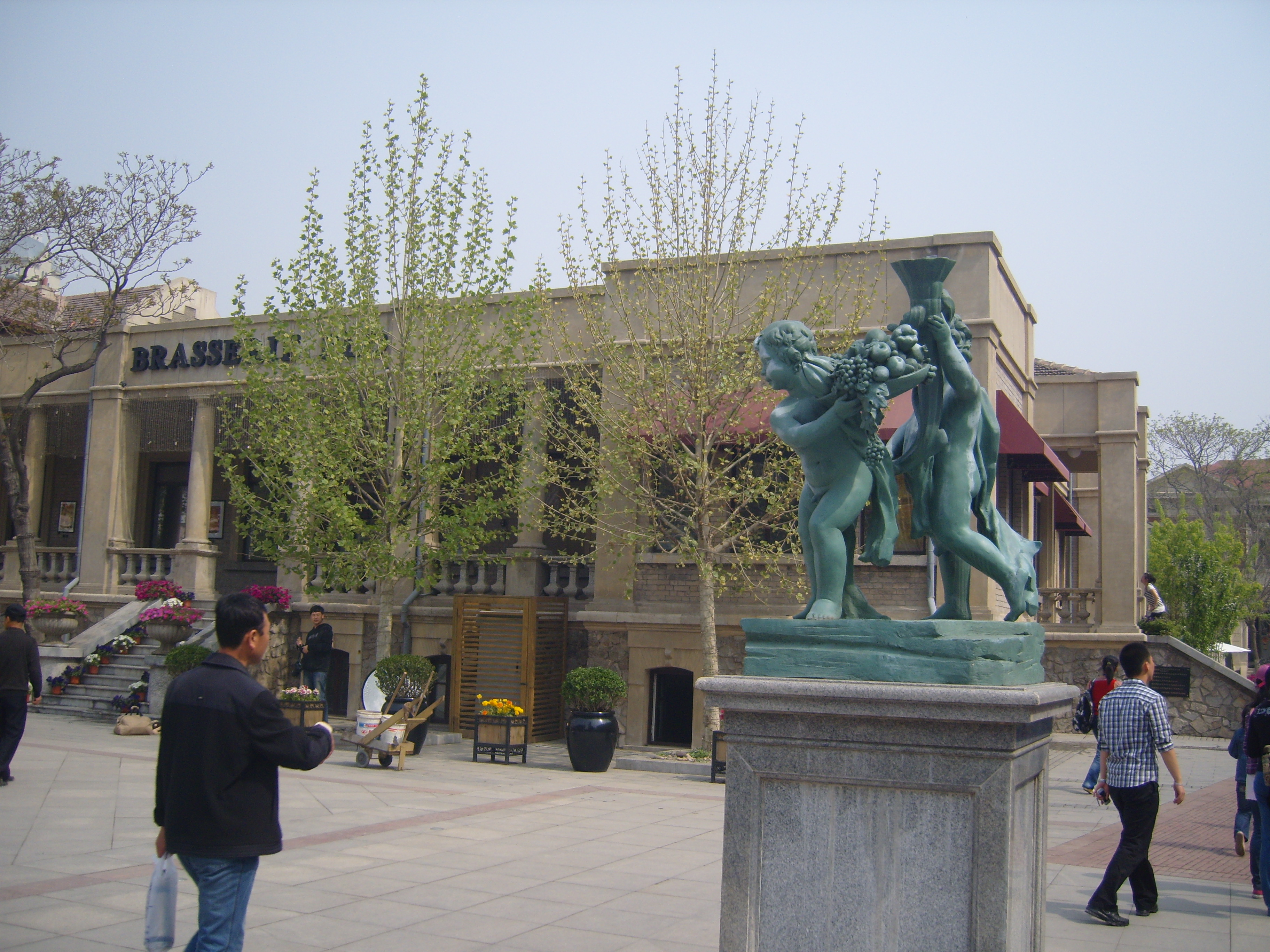
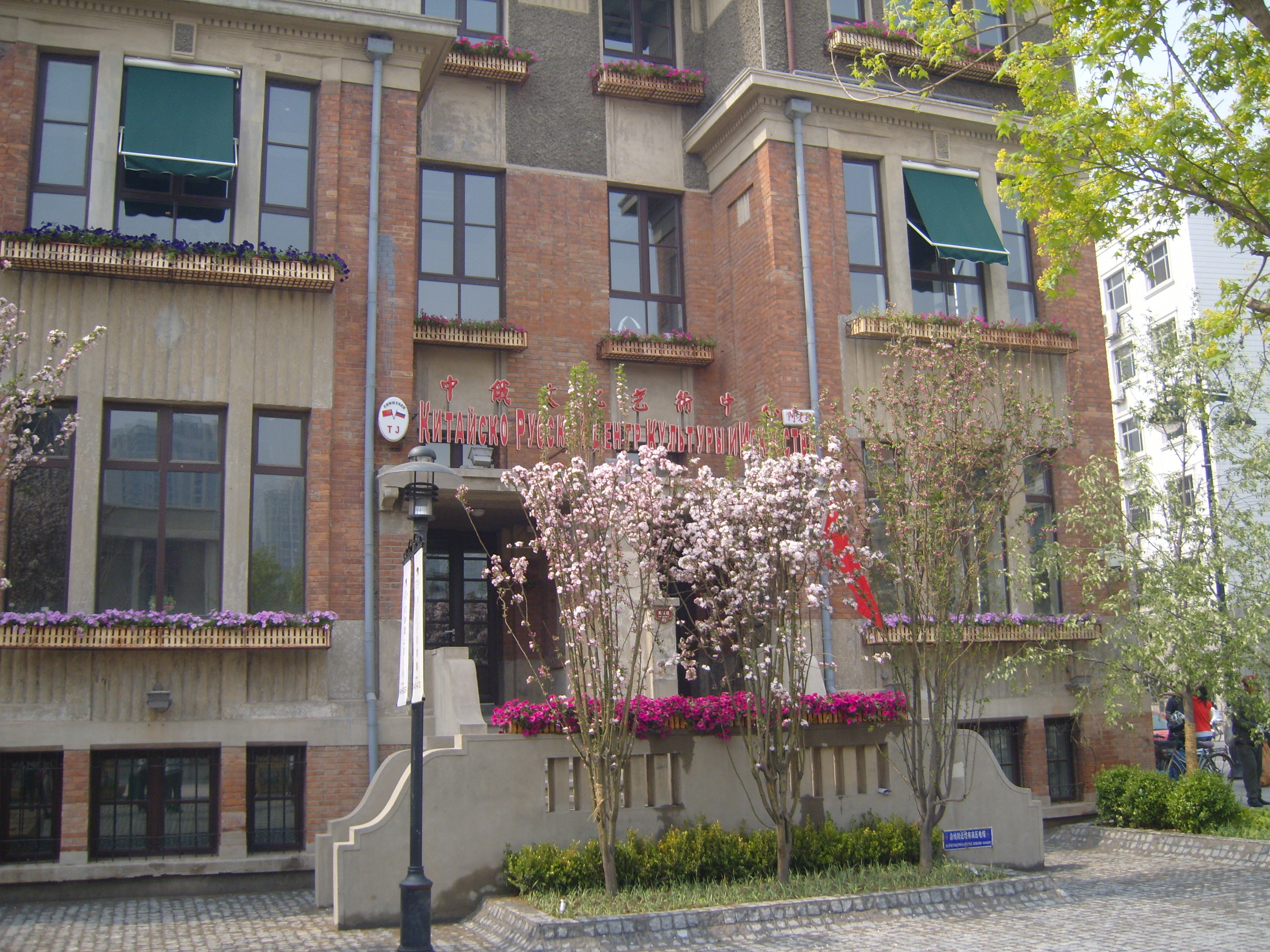
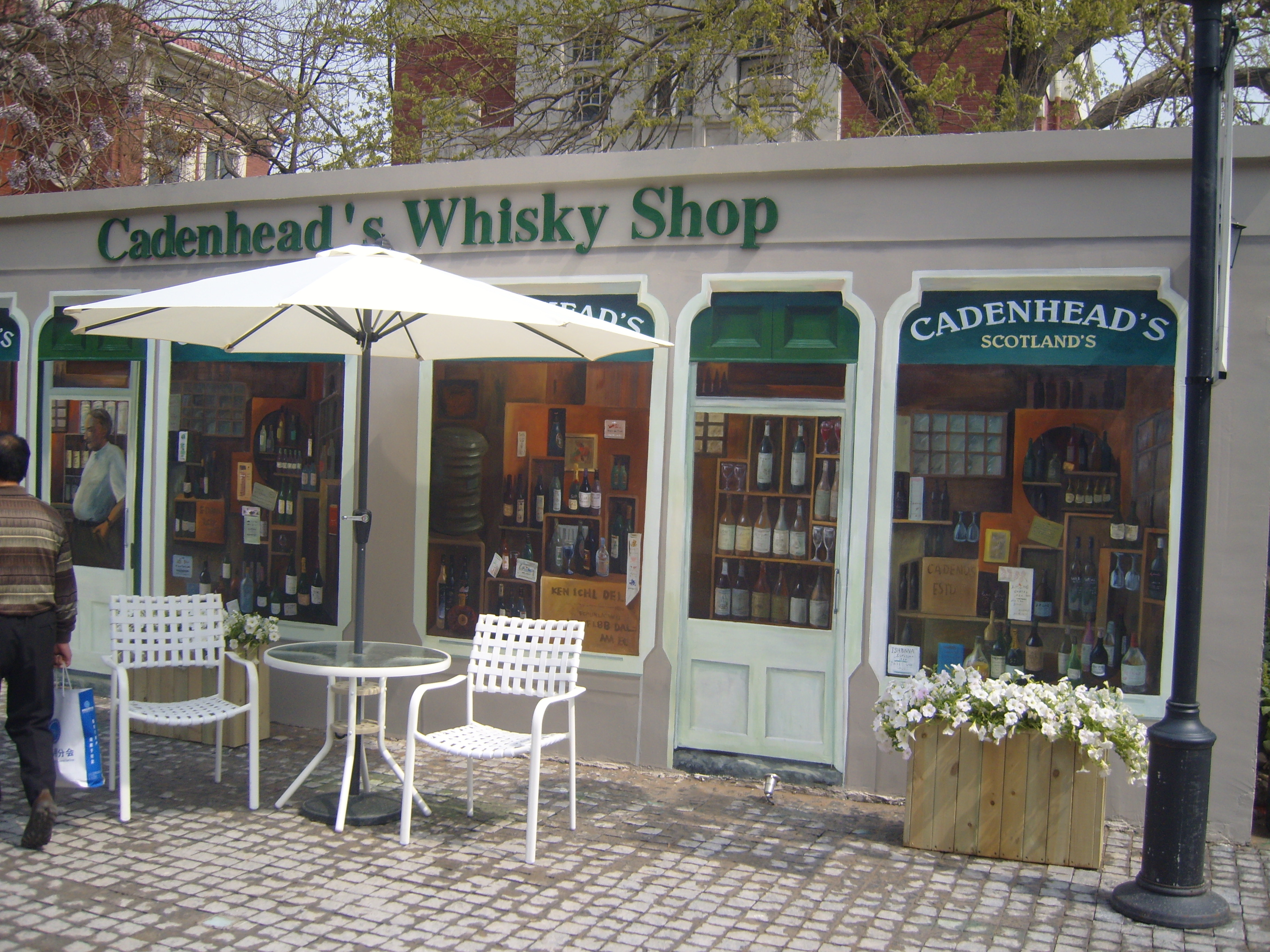
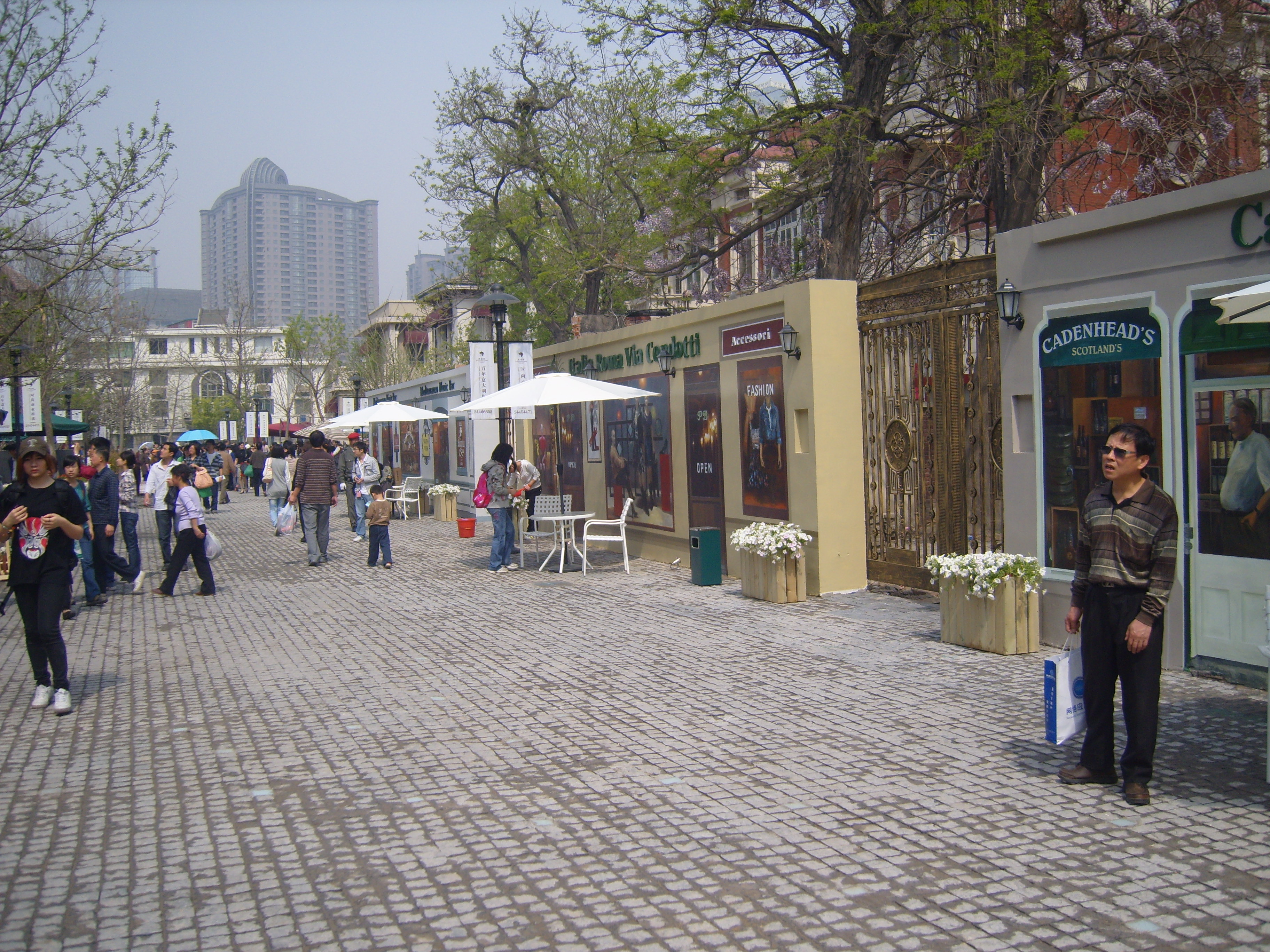
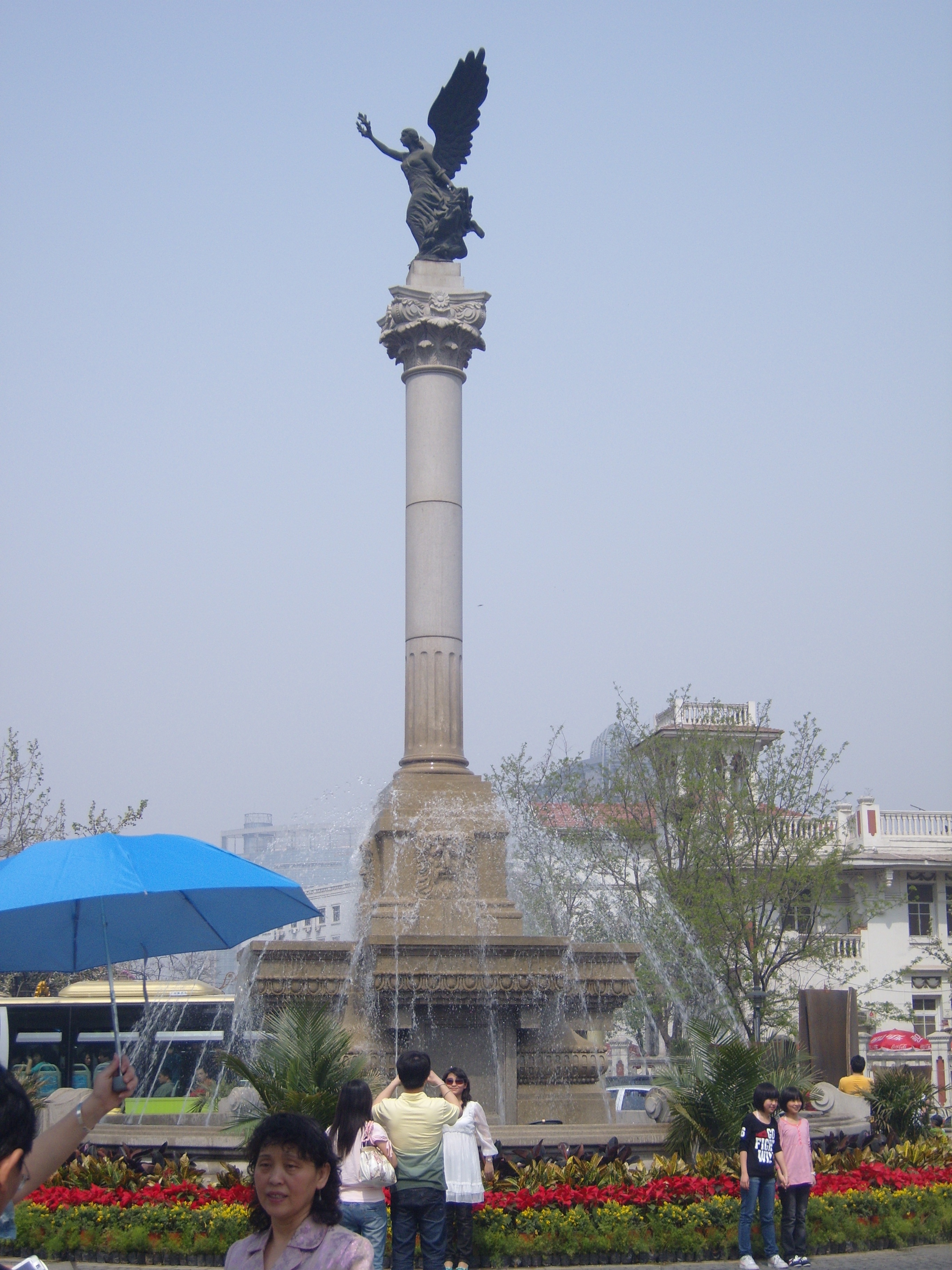
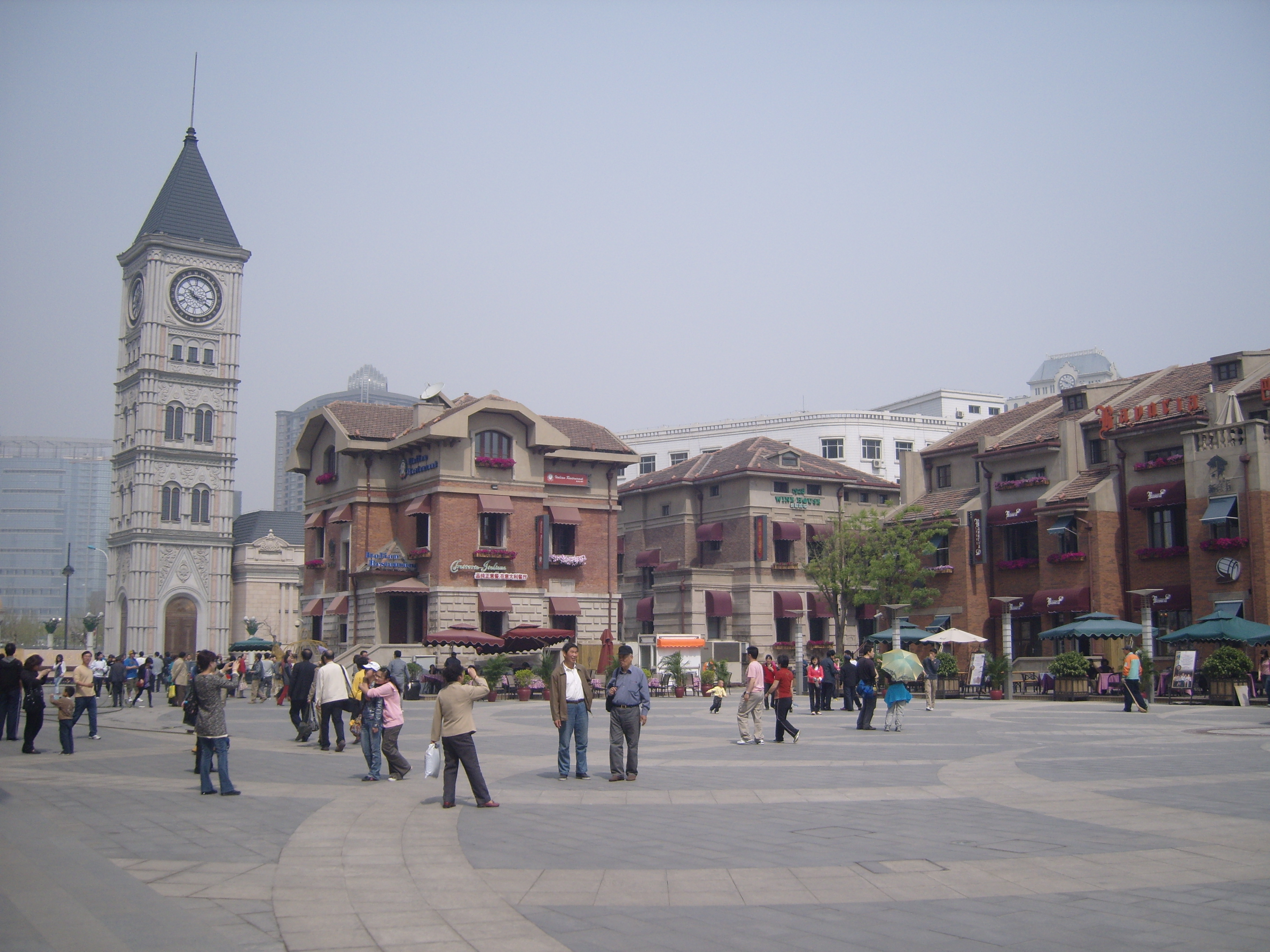
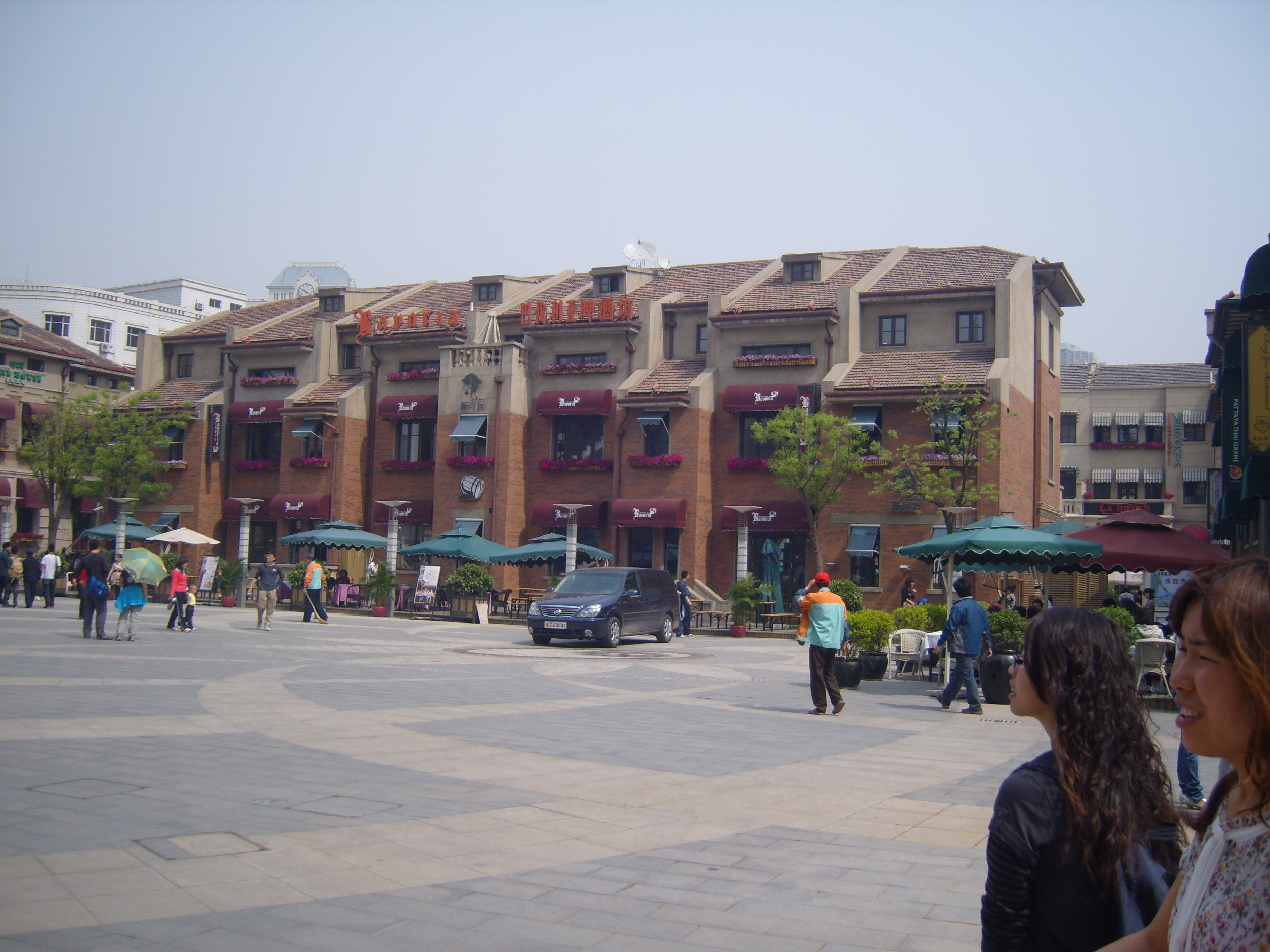
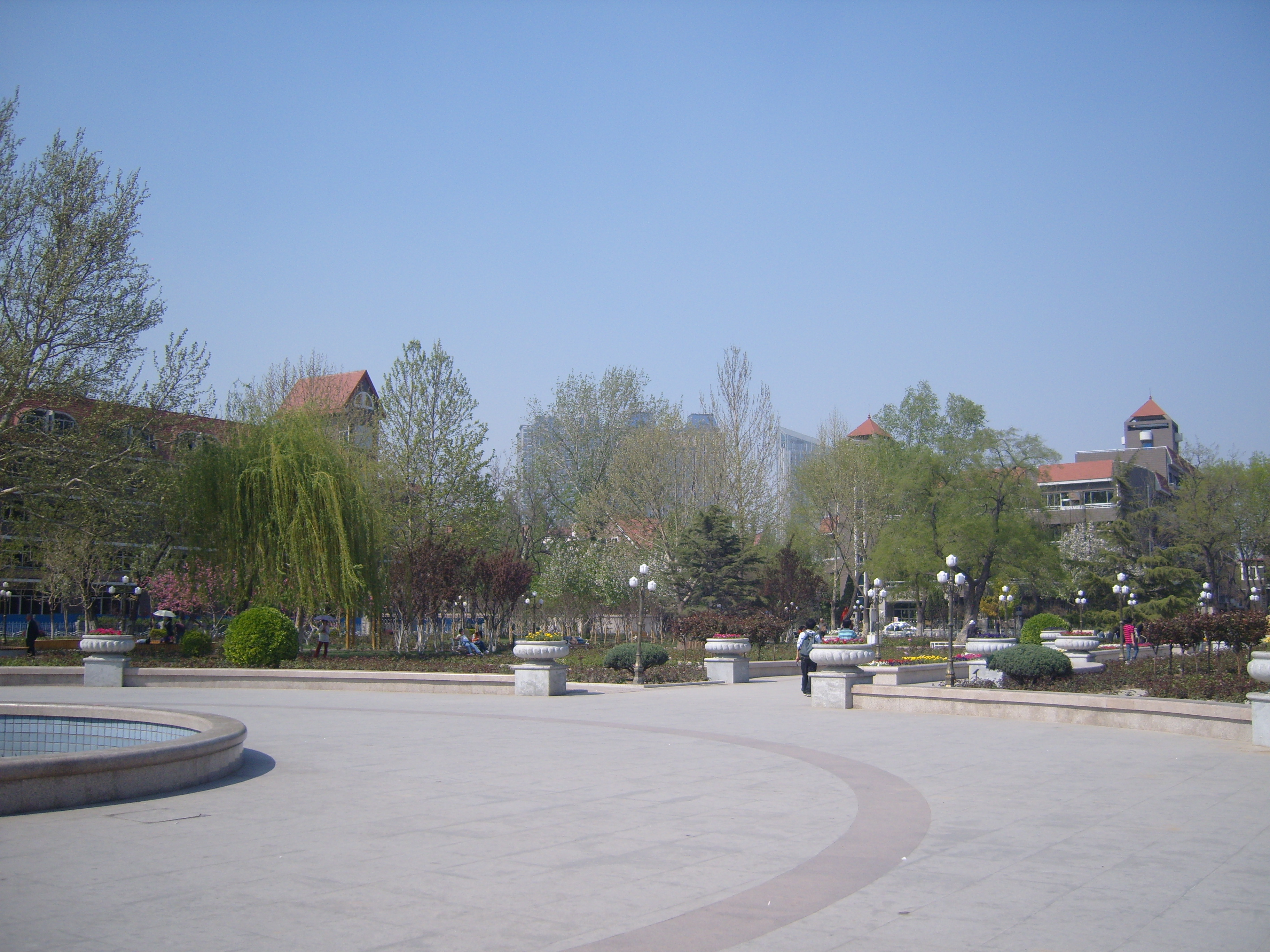
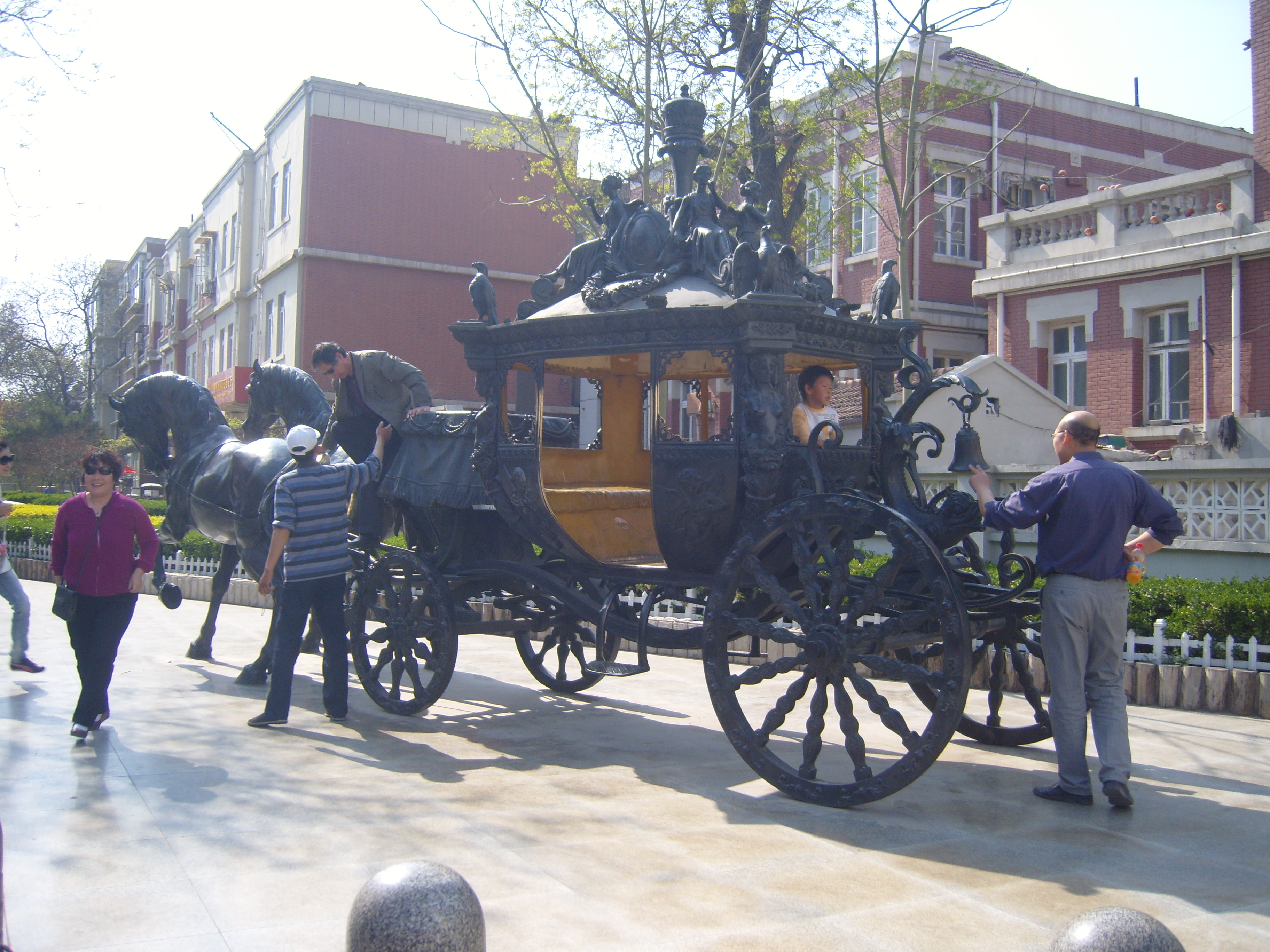
The “whisky shop” above is literally just a facade, by the way.
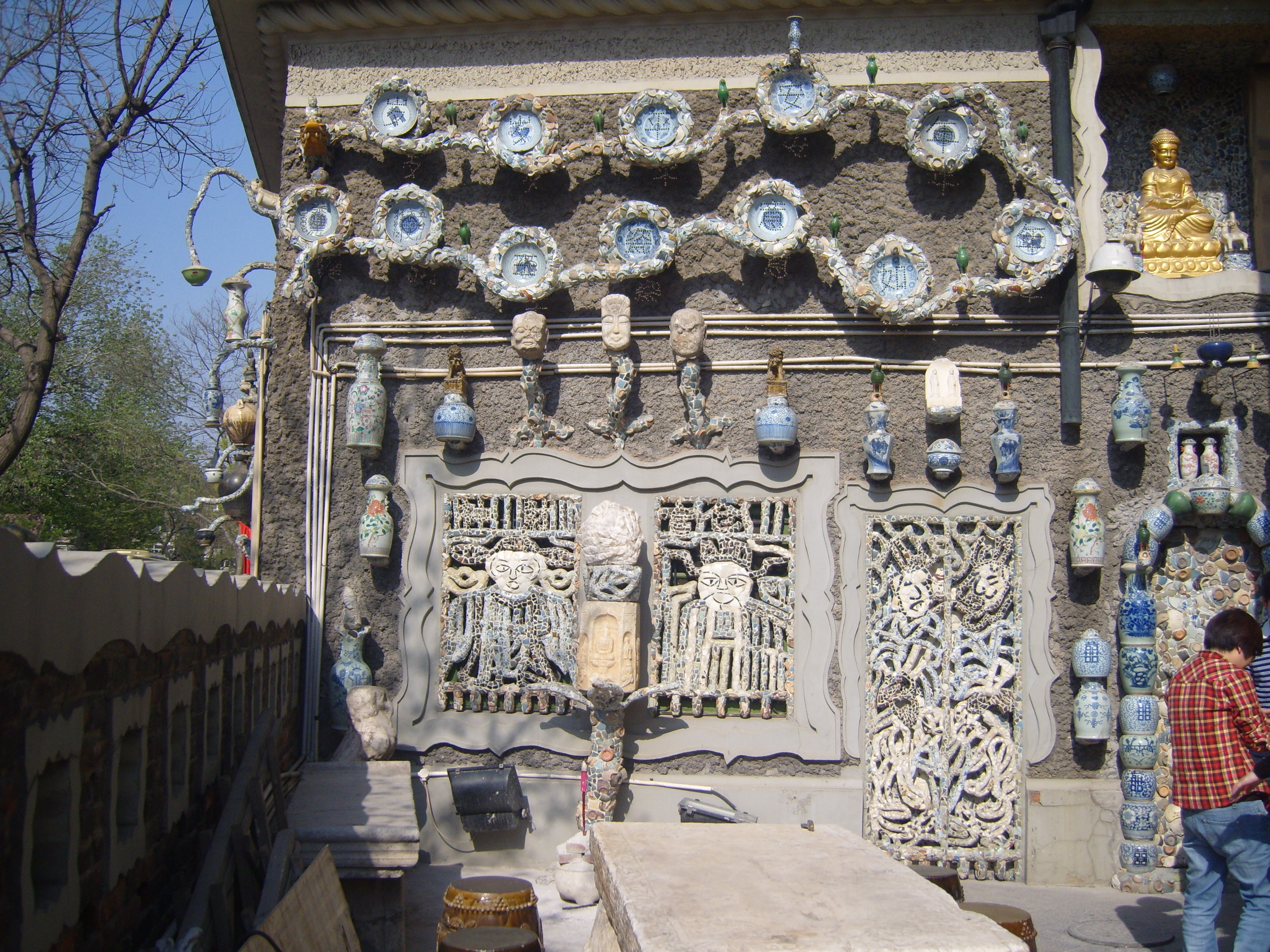
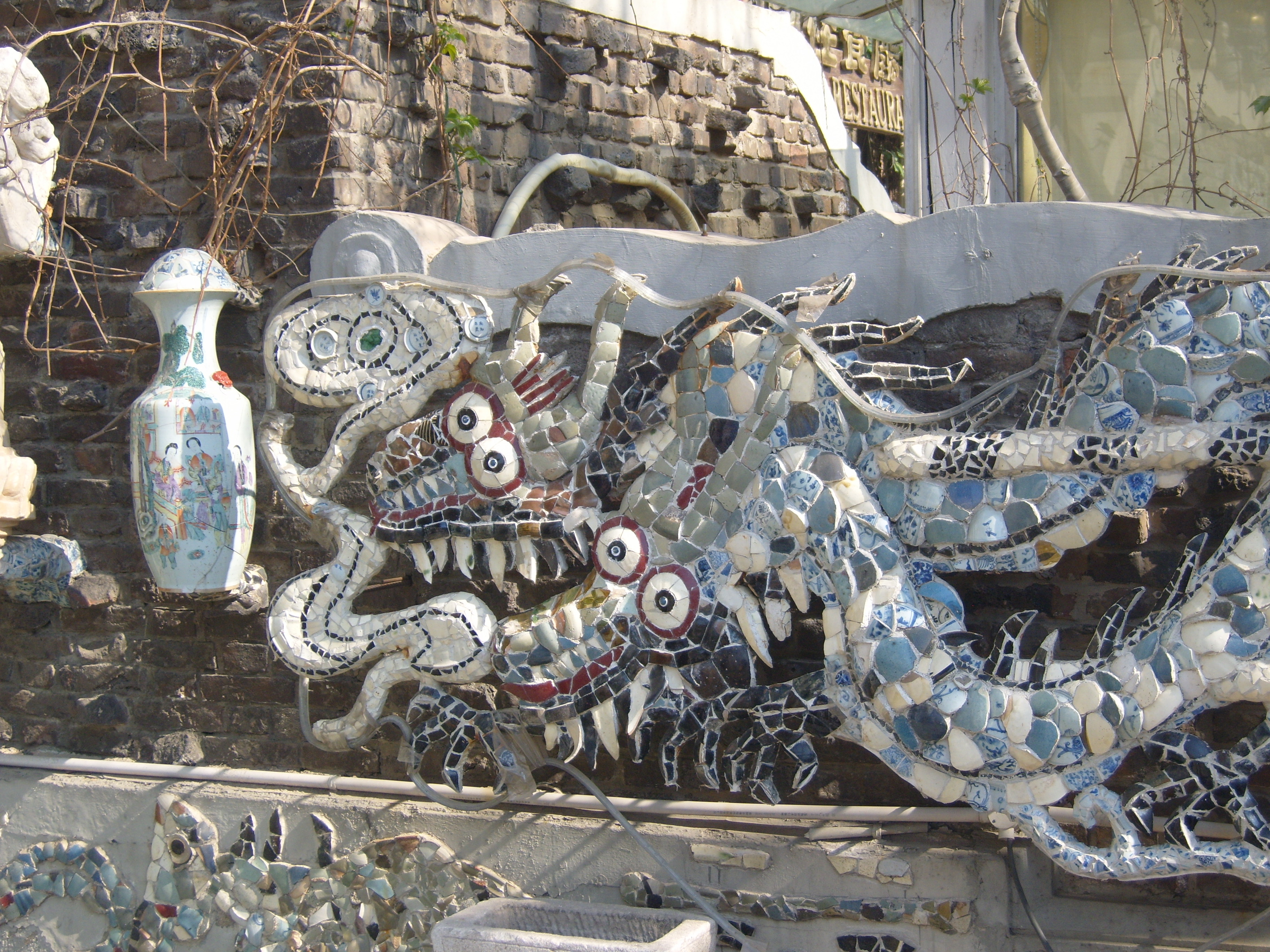
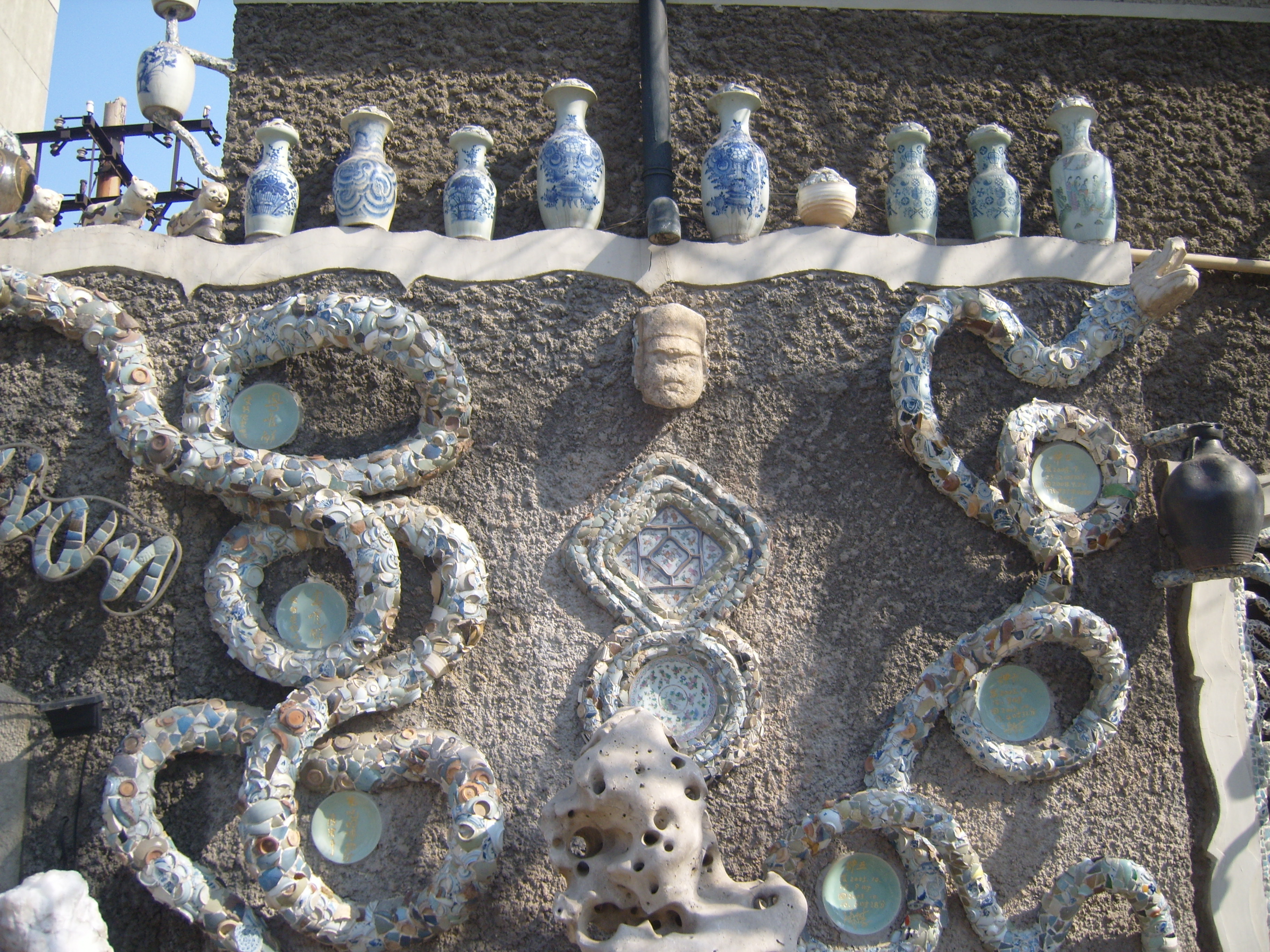
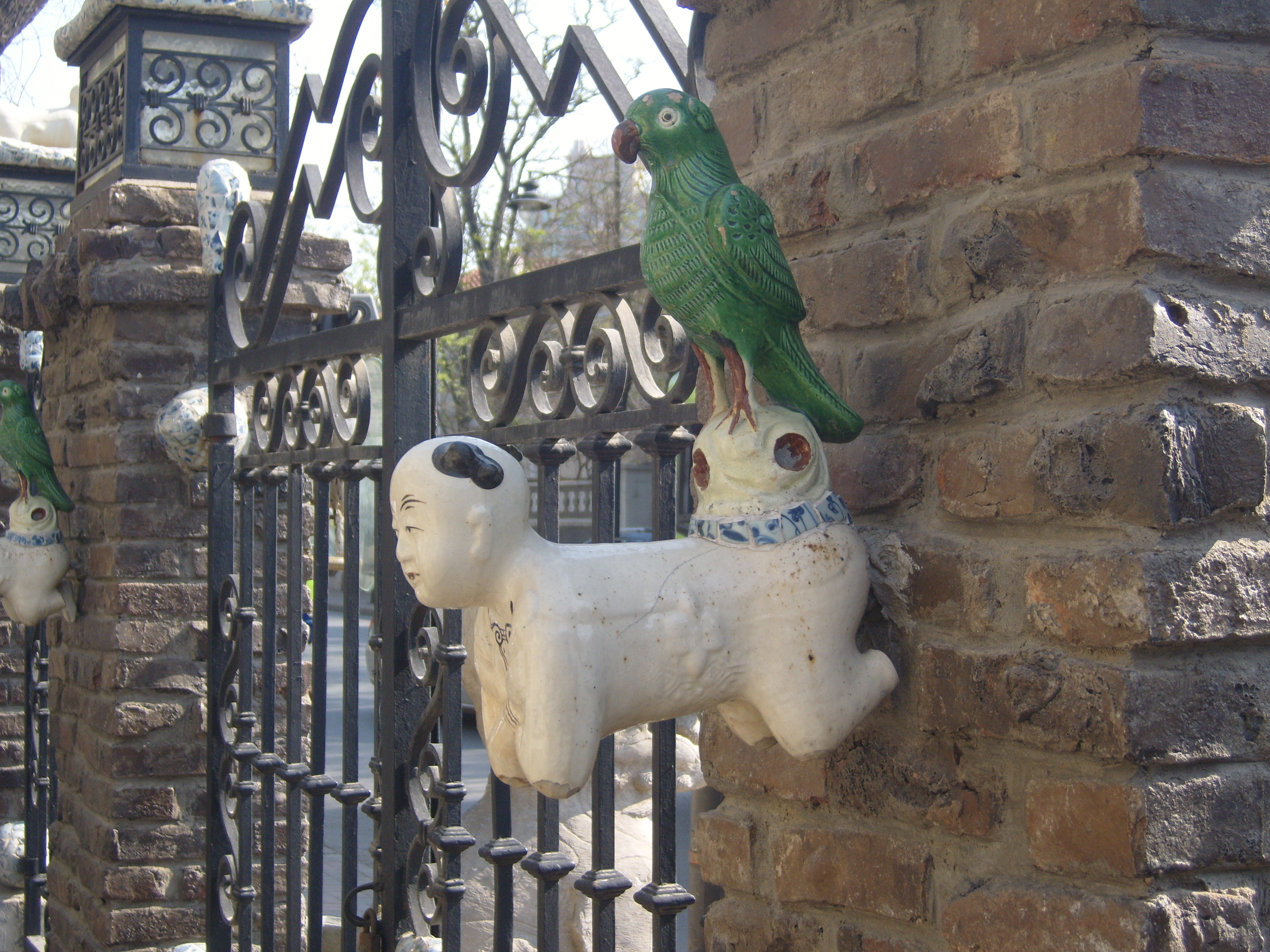
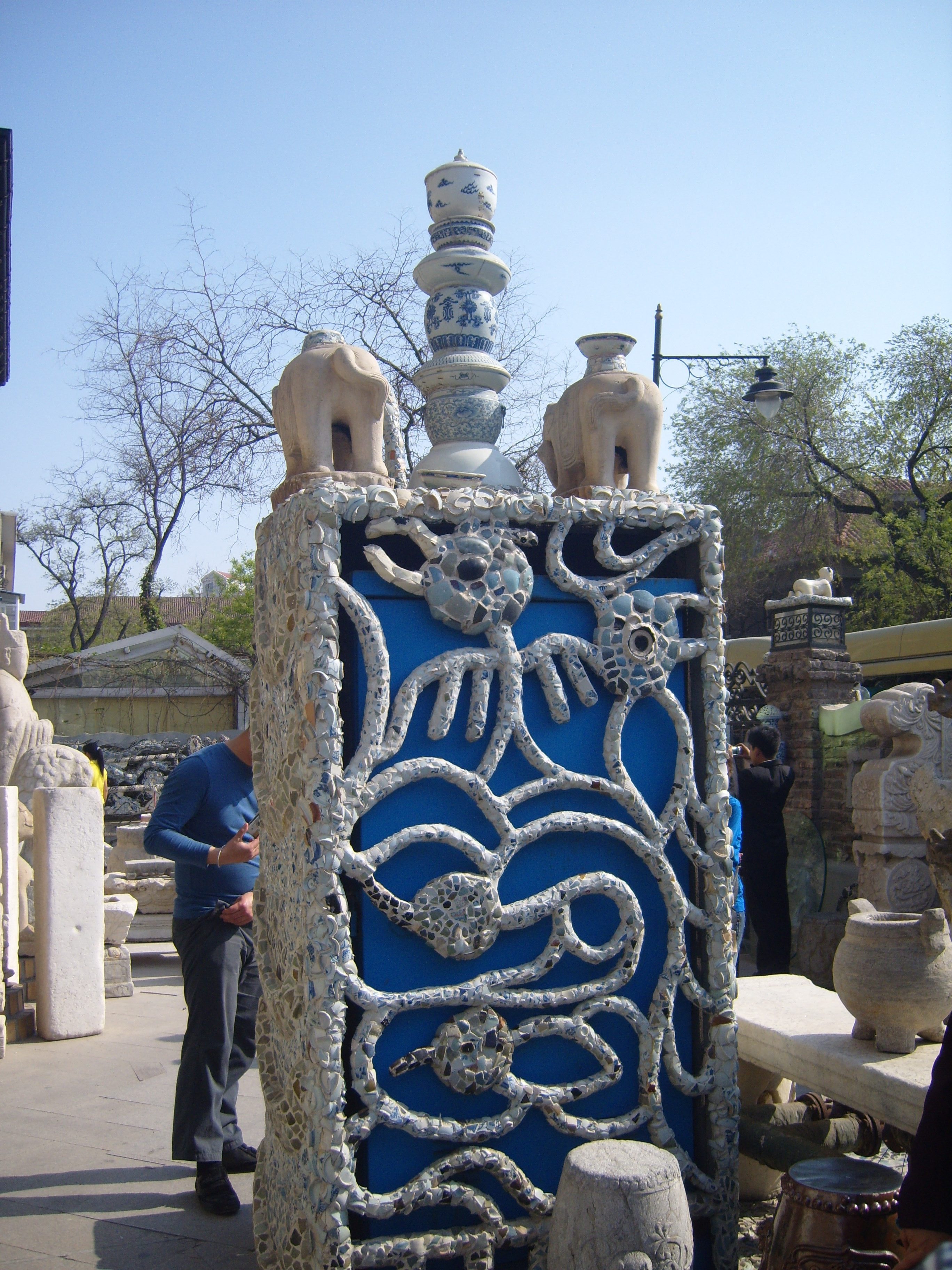
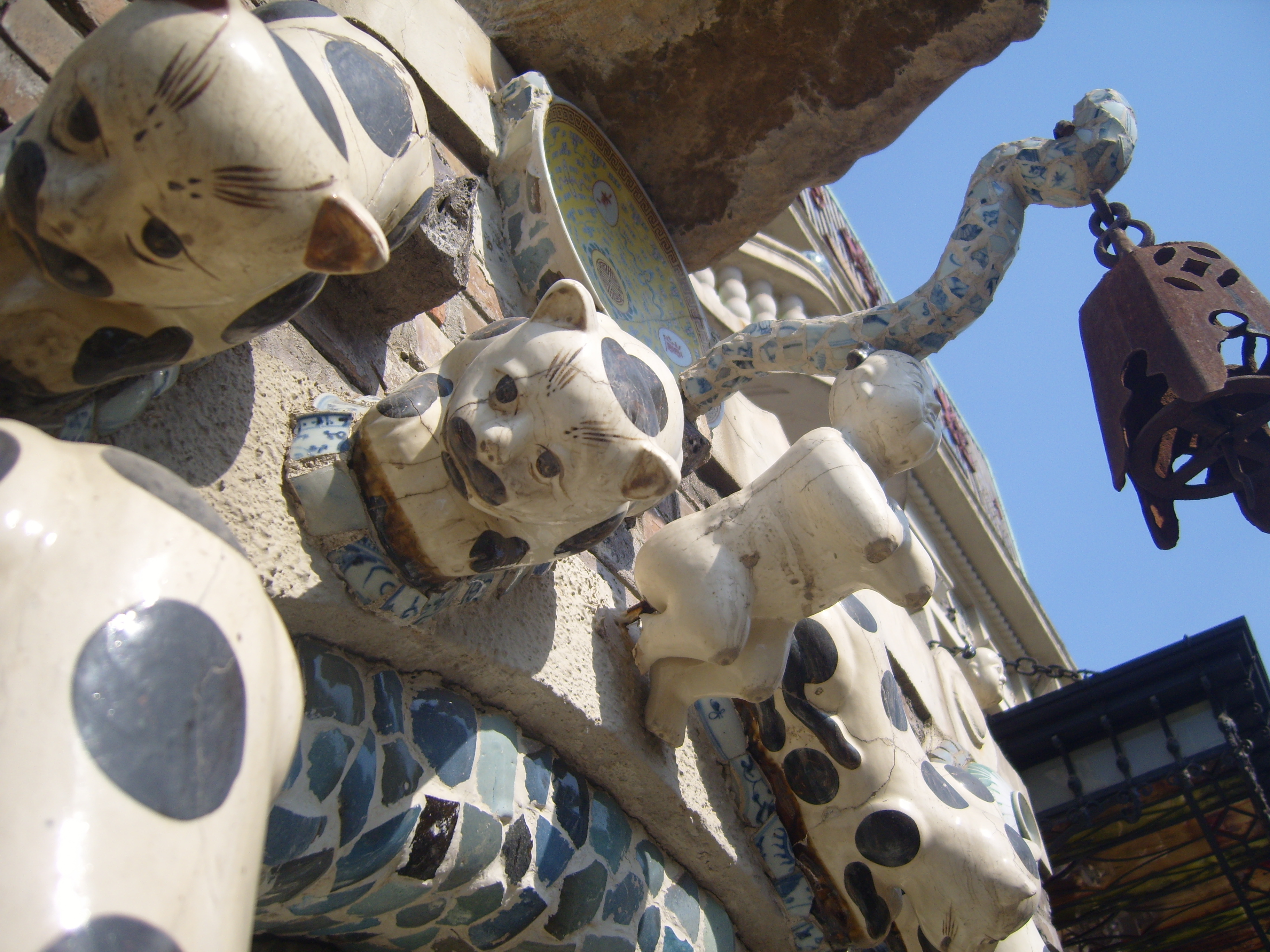
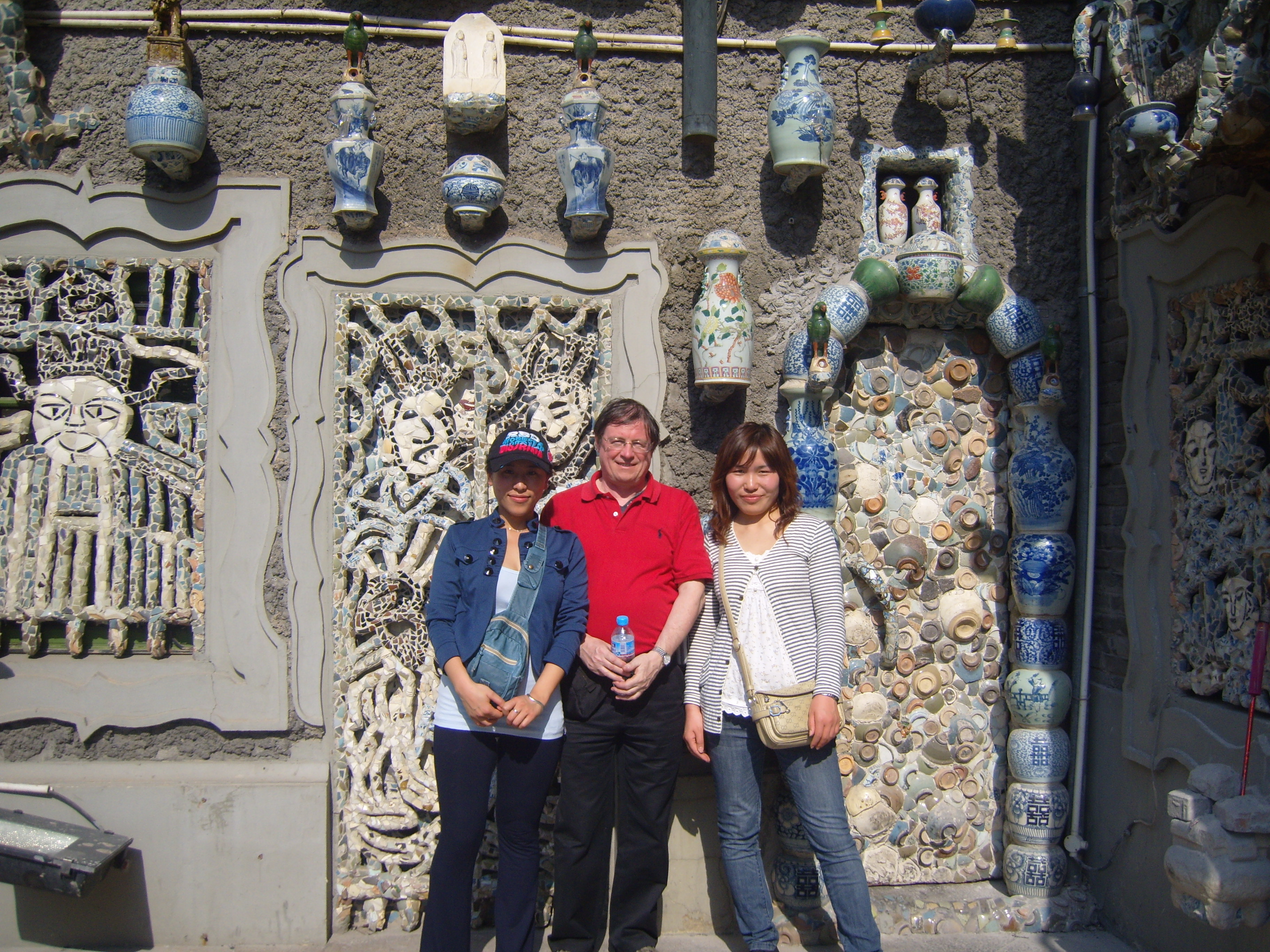
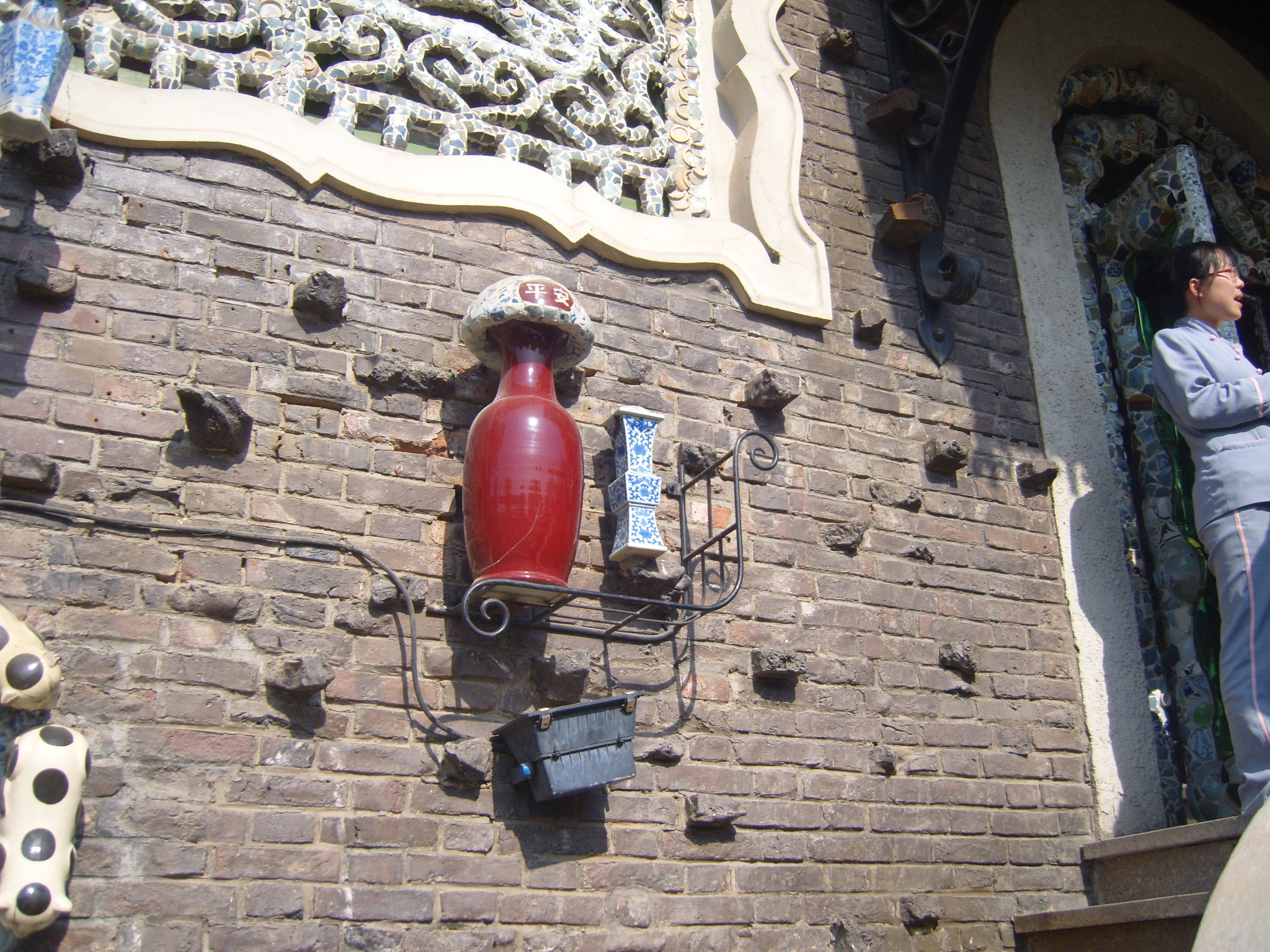
The Porcelain House (aka China House) is an odd sight.

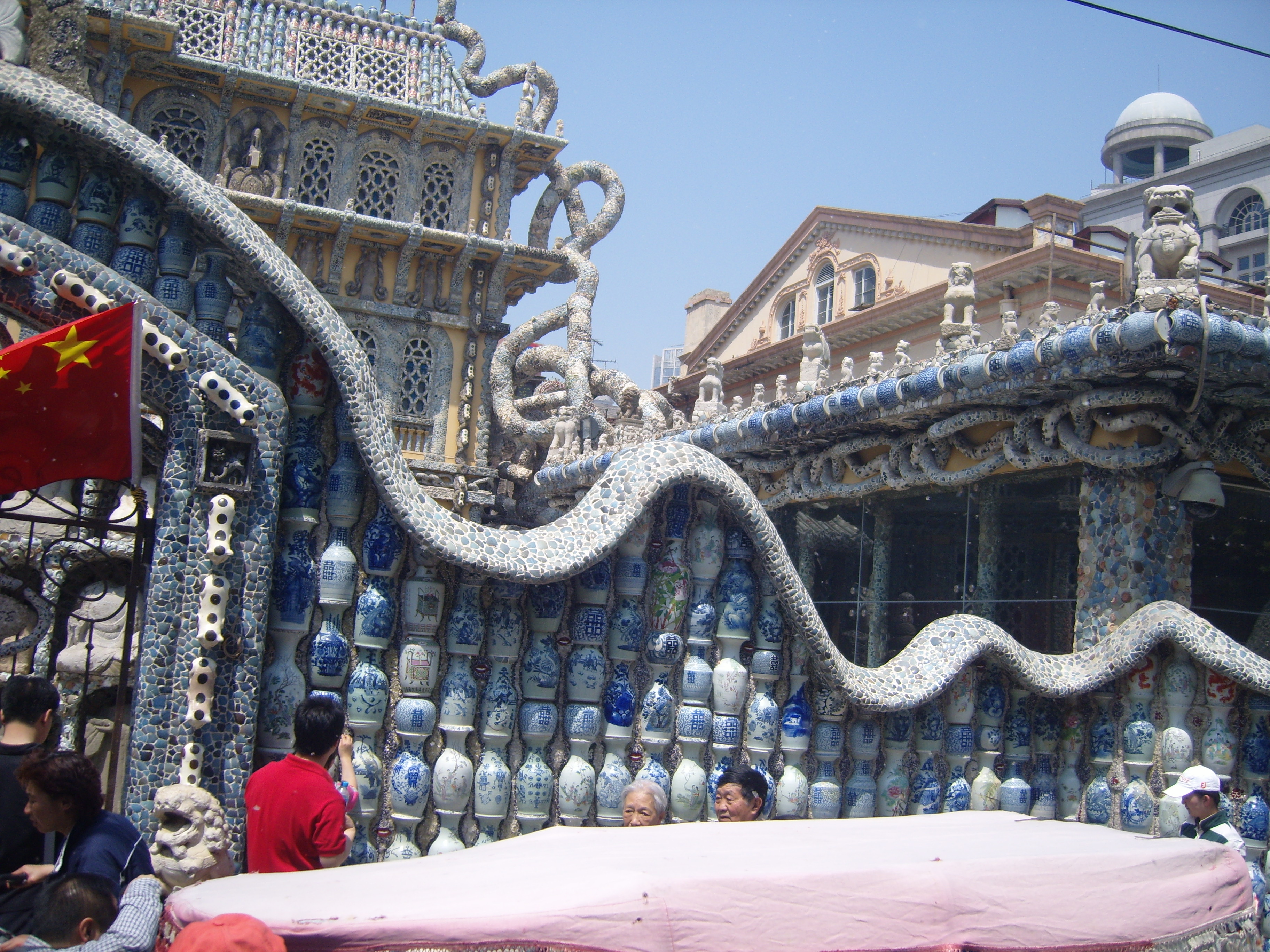

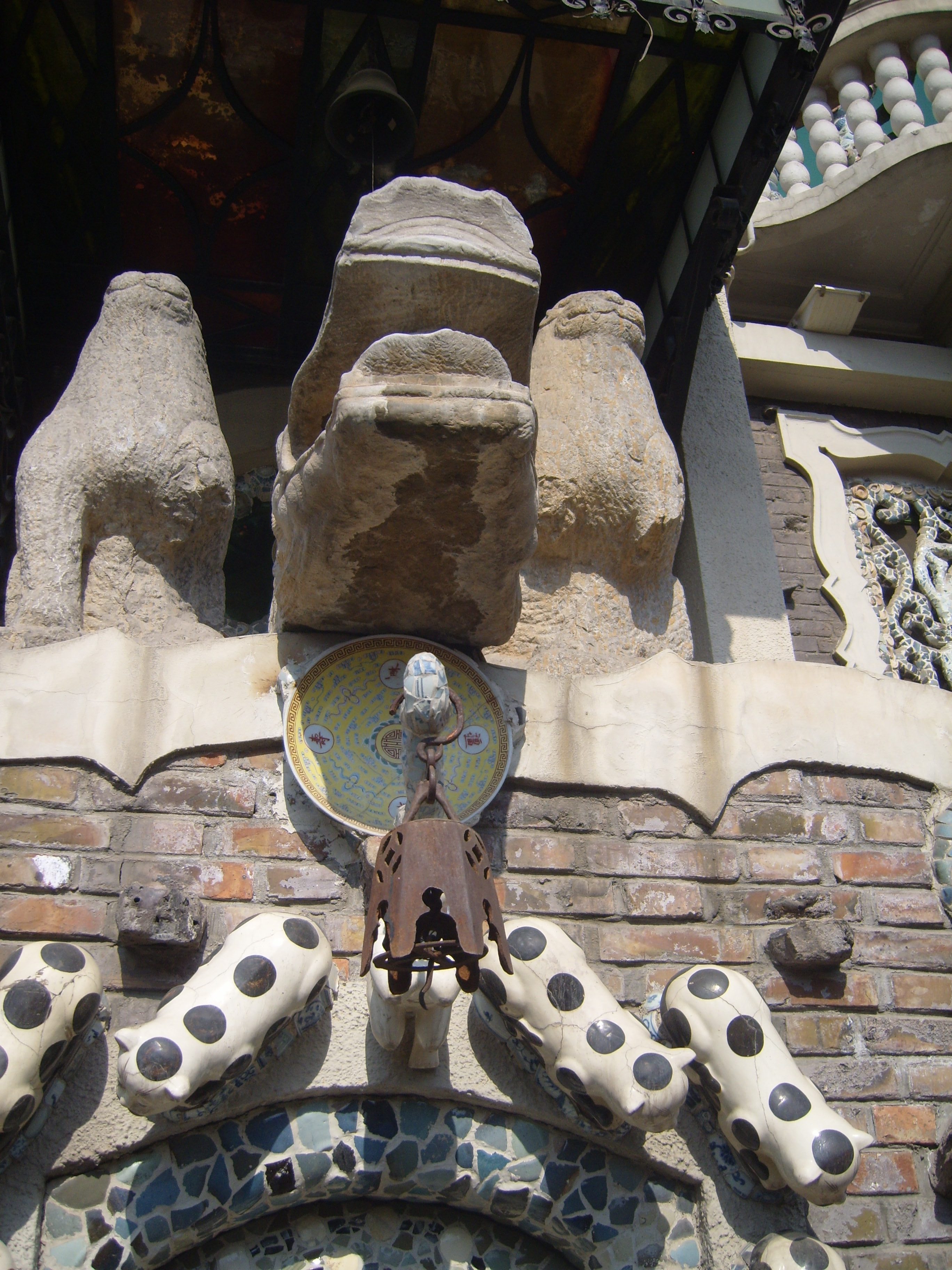
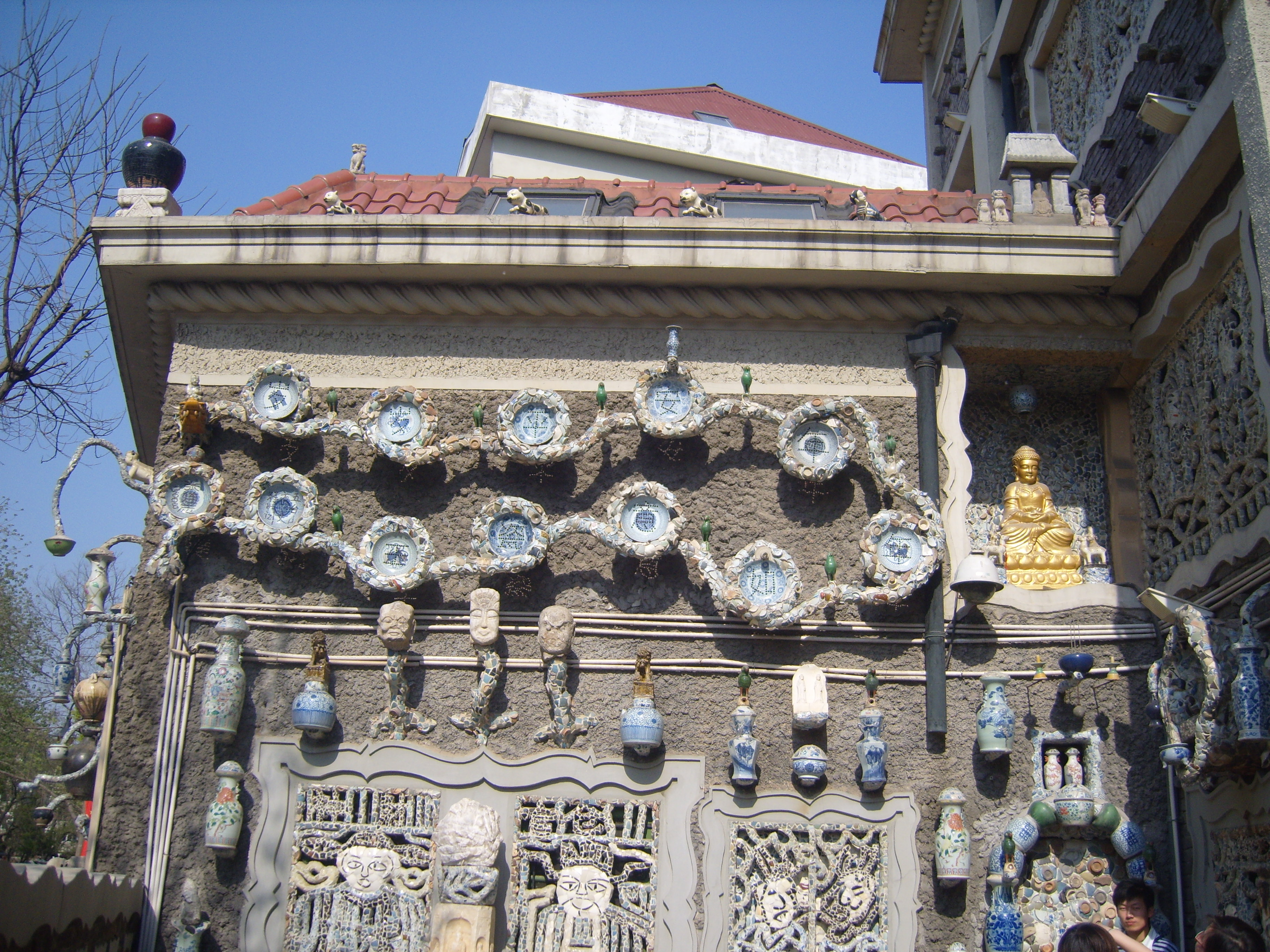

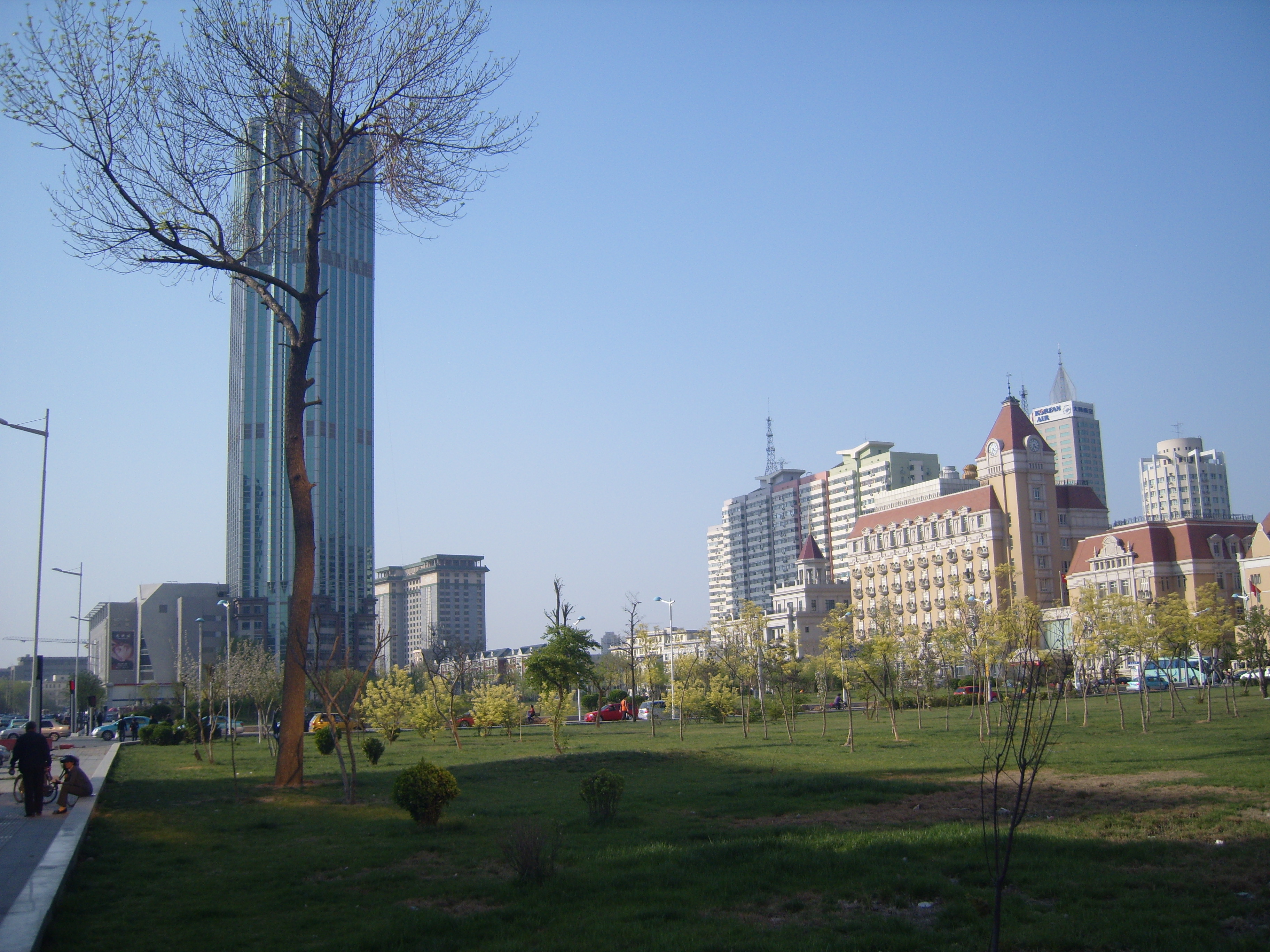
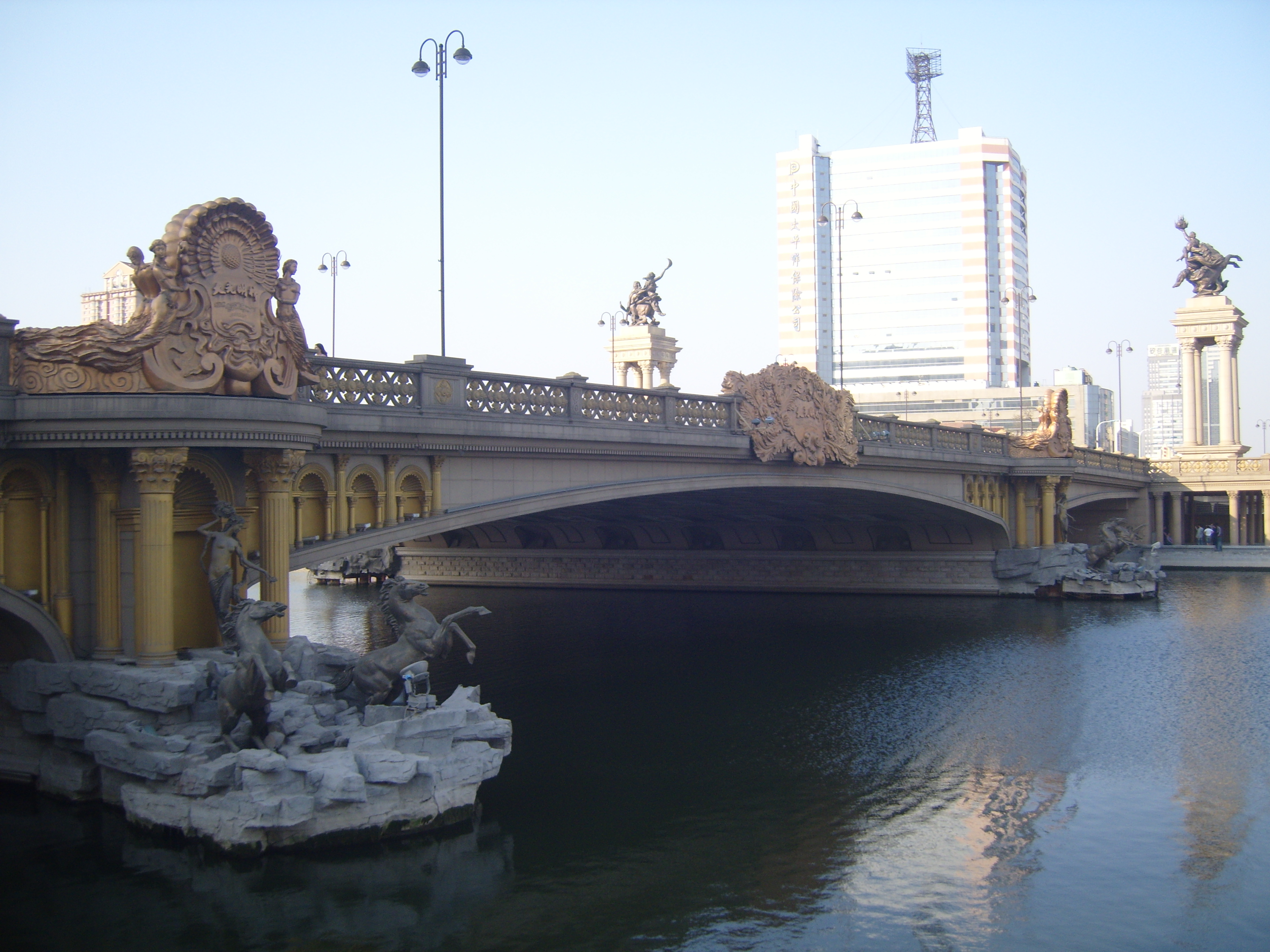
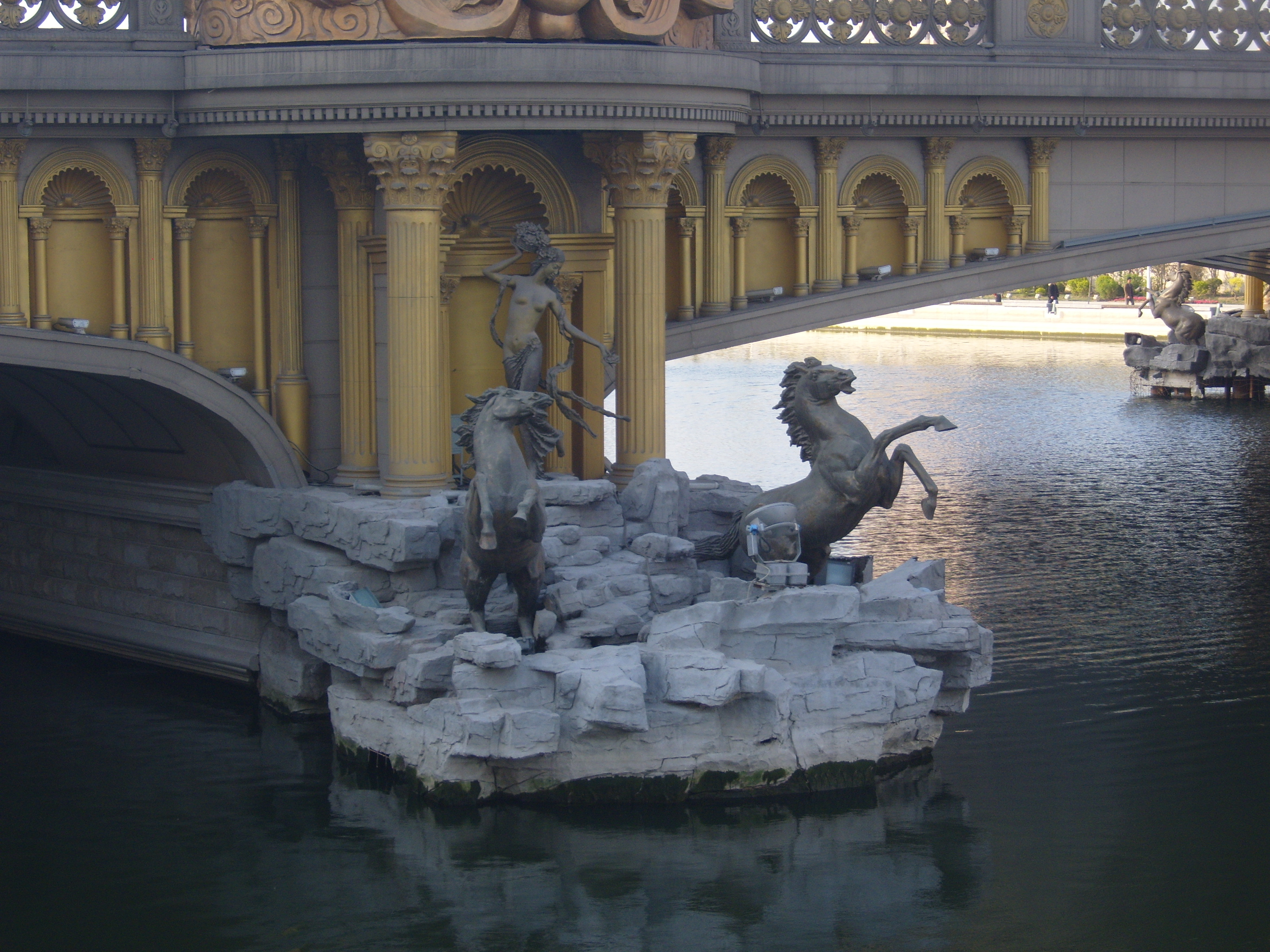
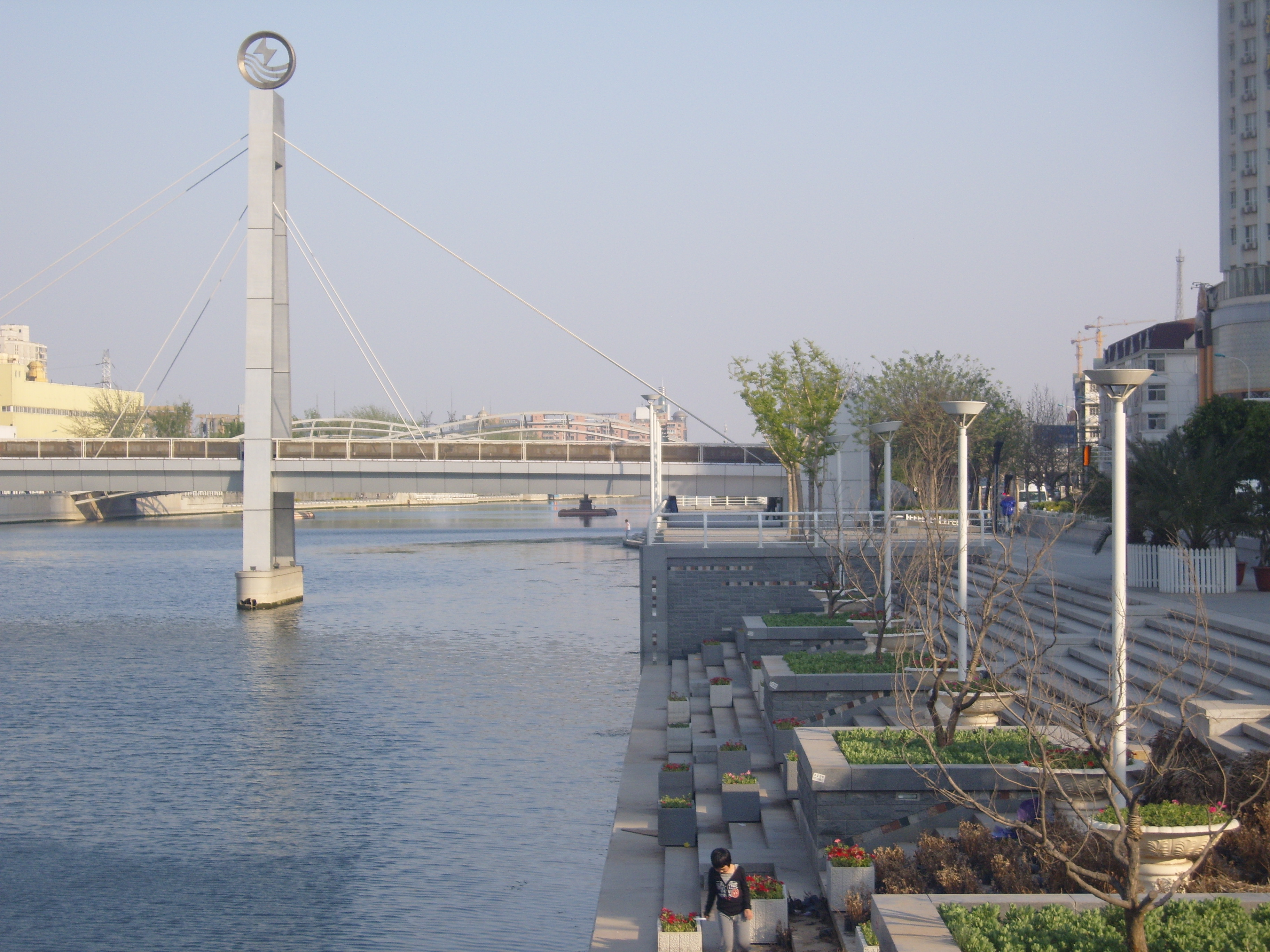
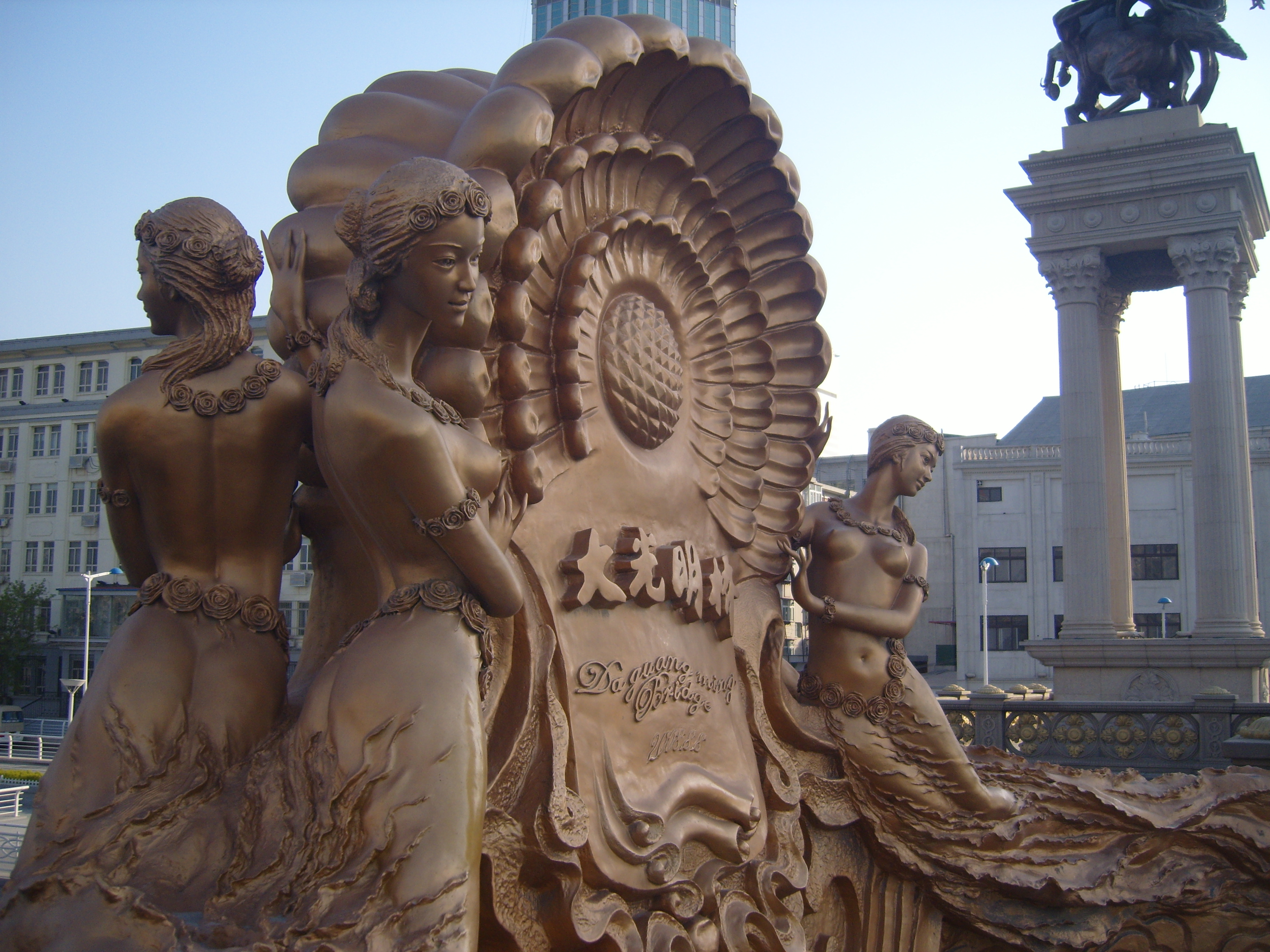
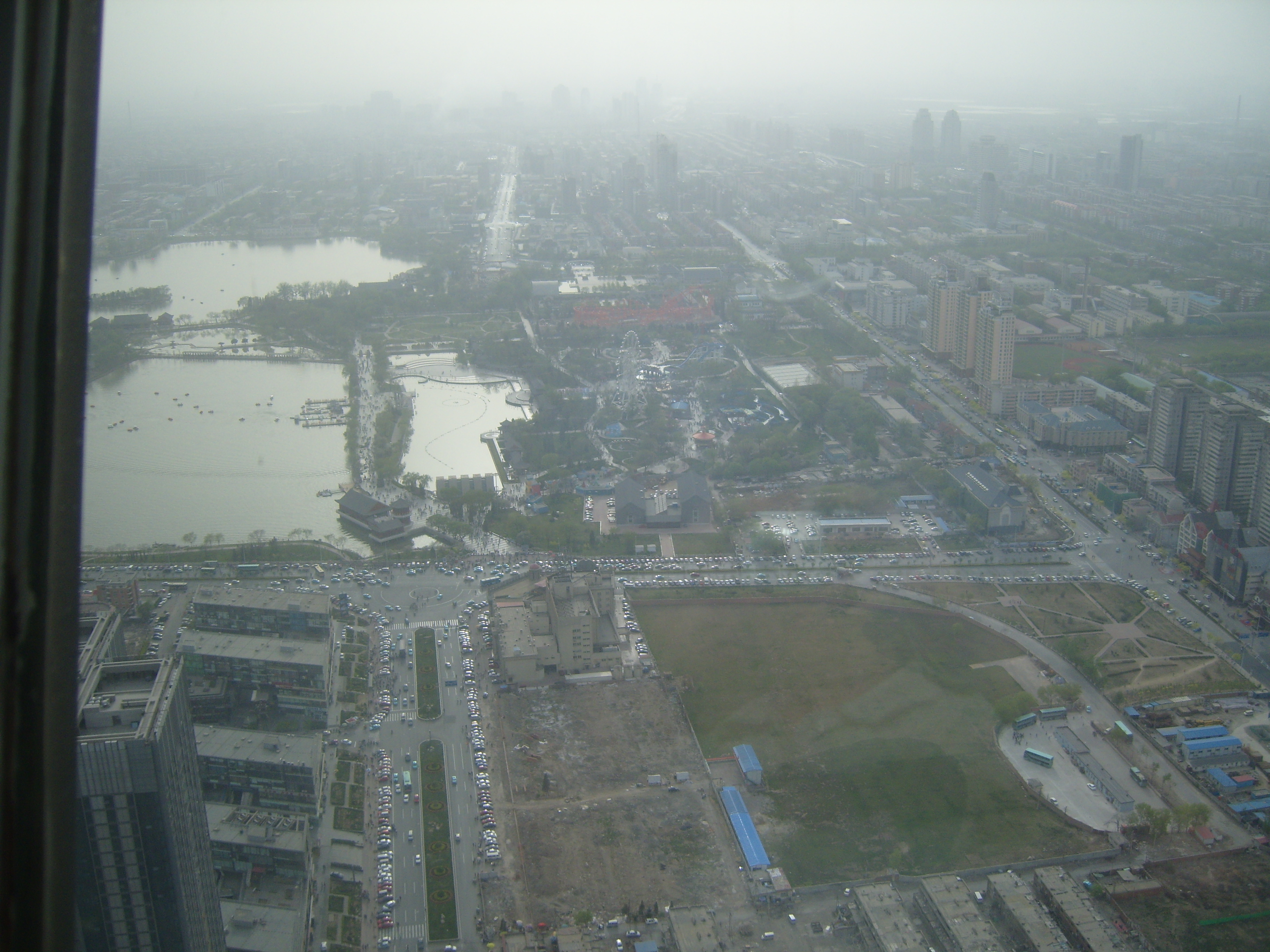
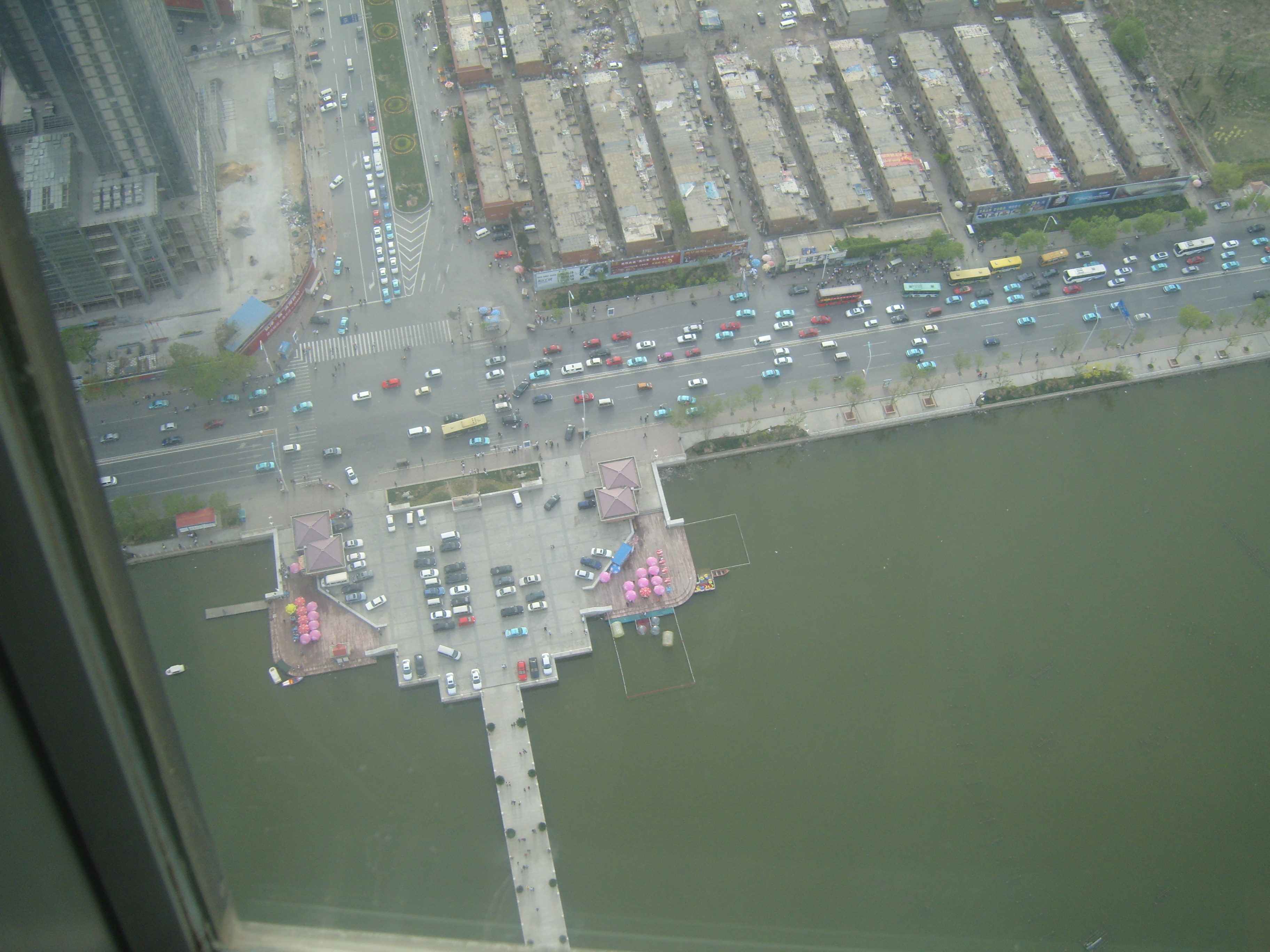
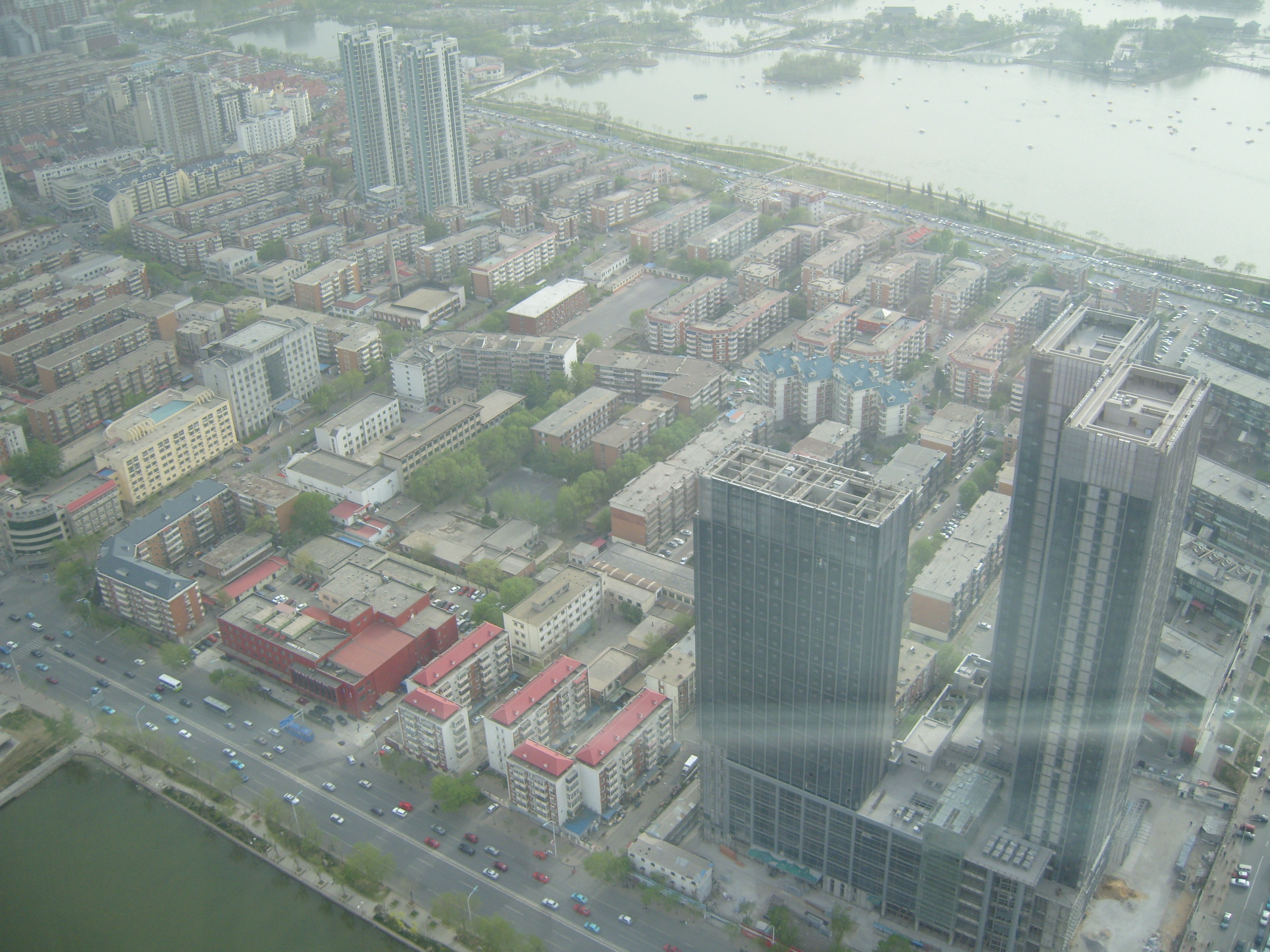
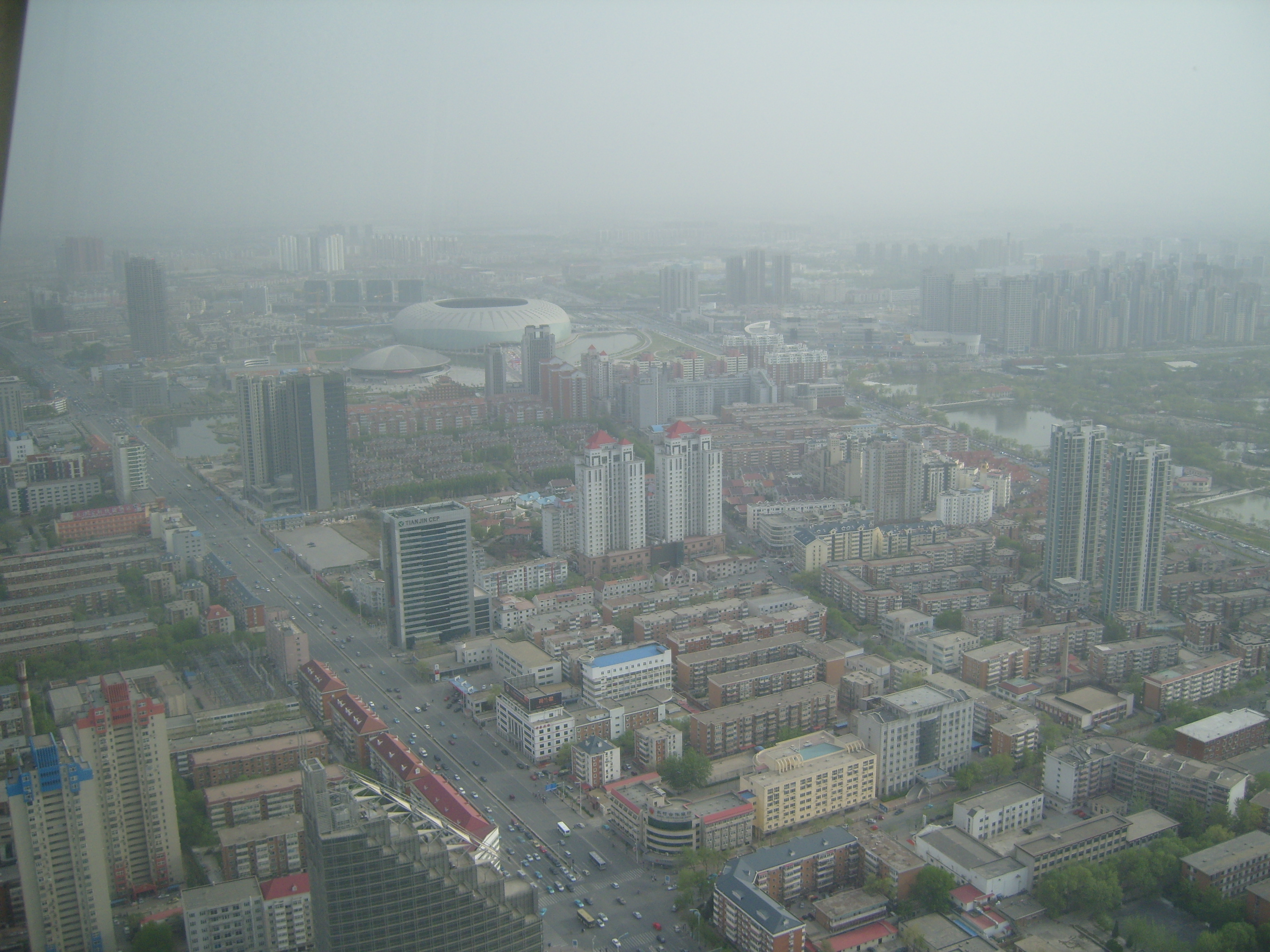
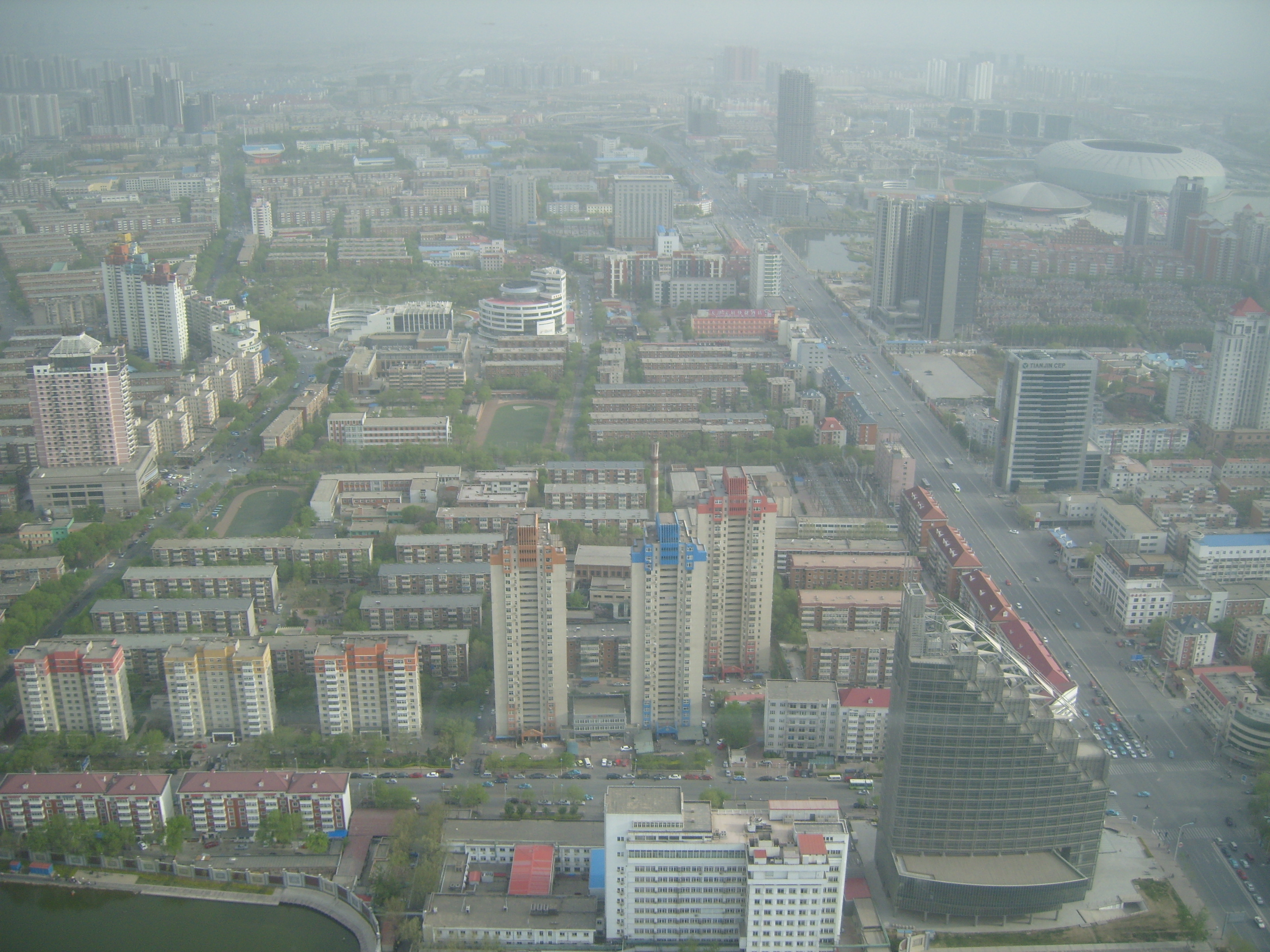
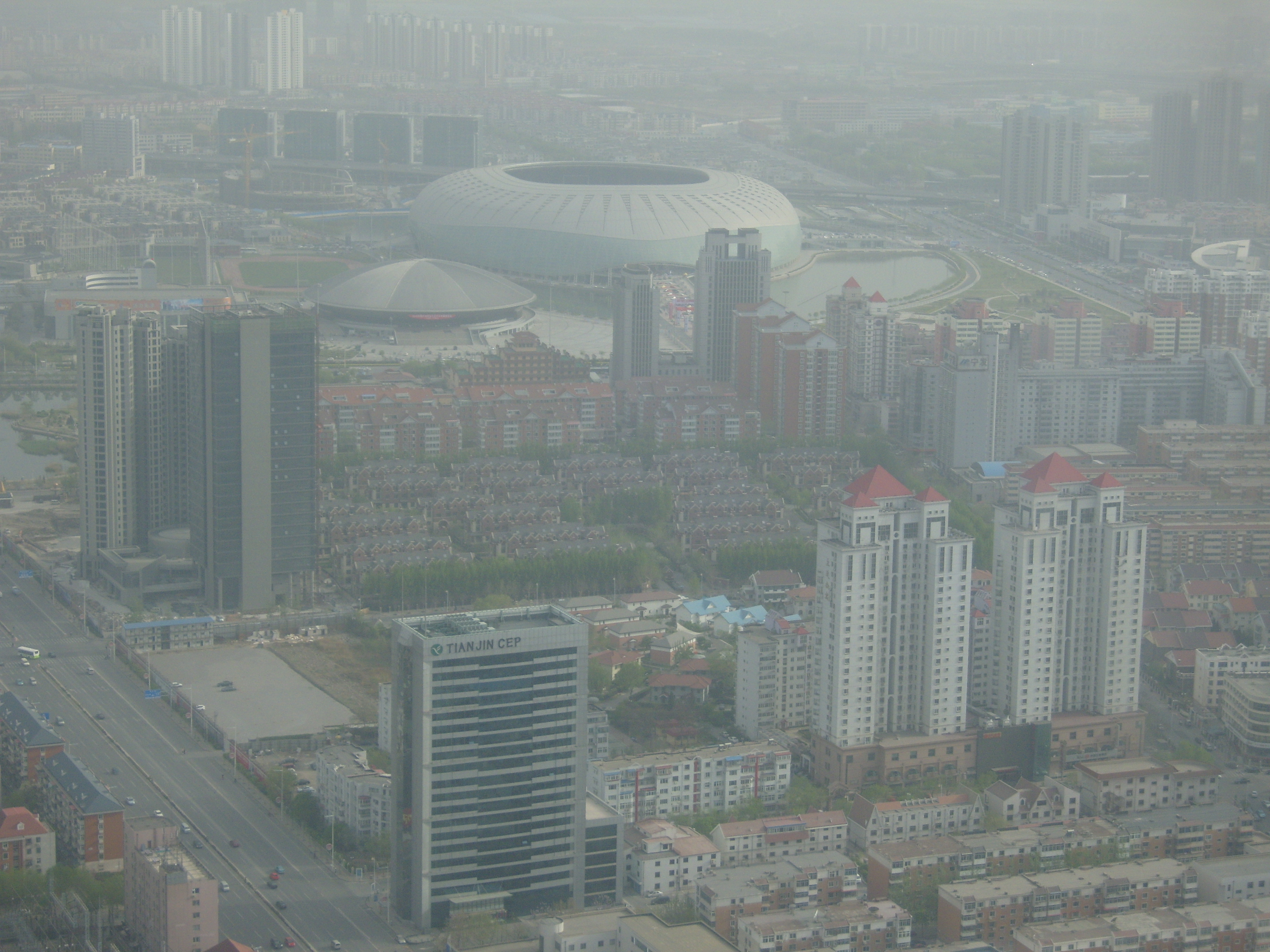
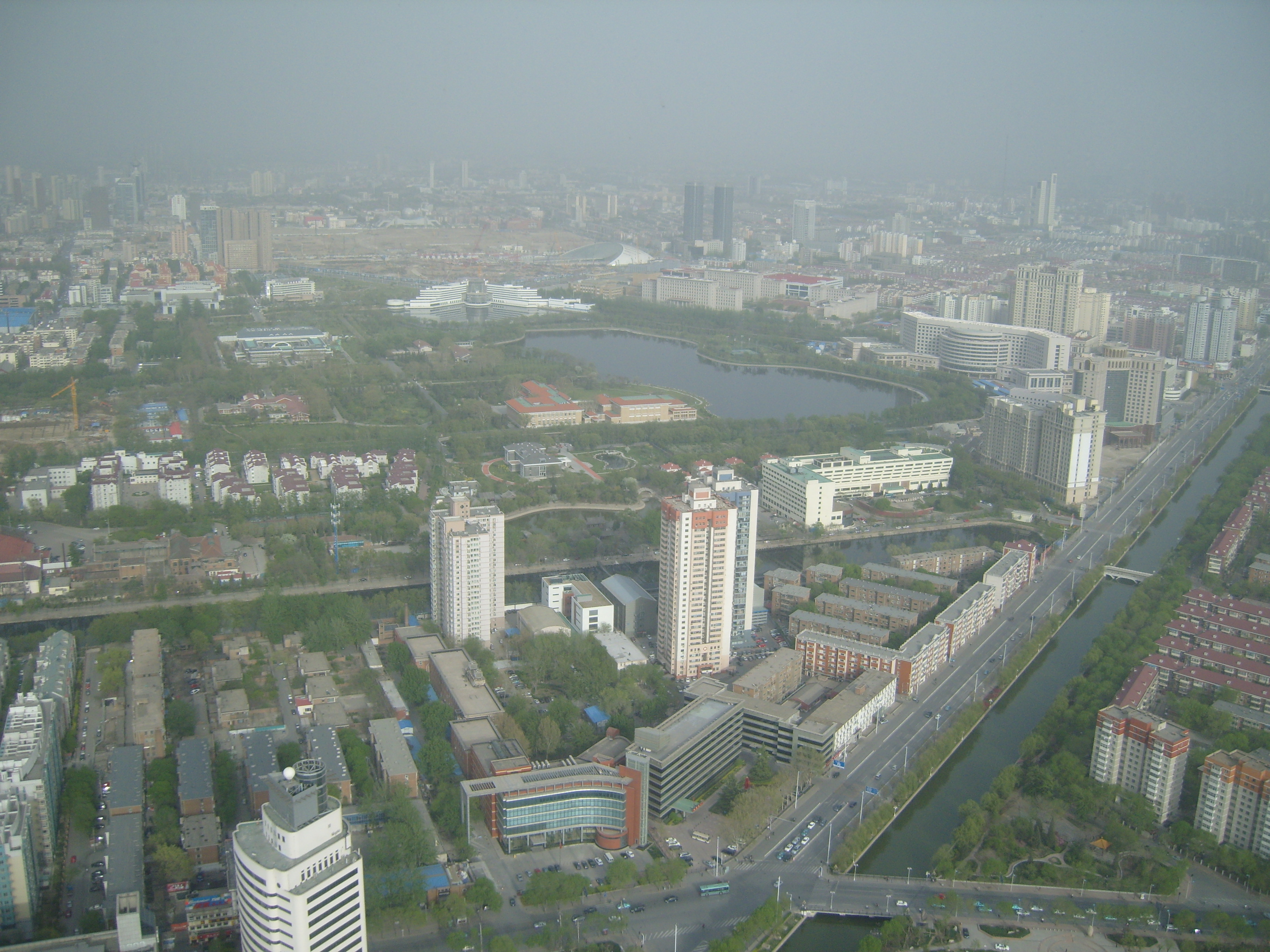
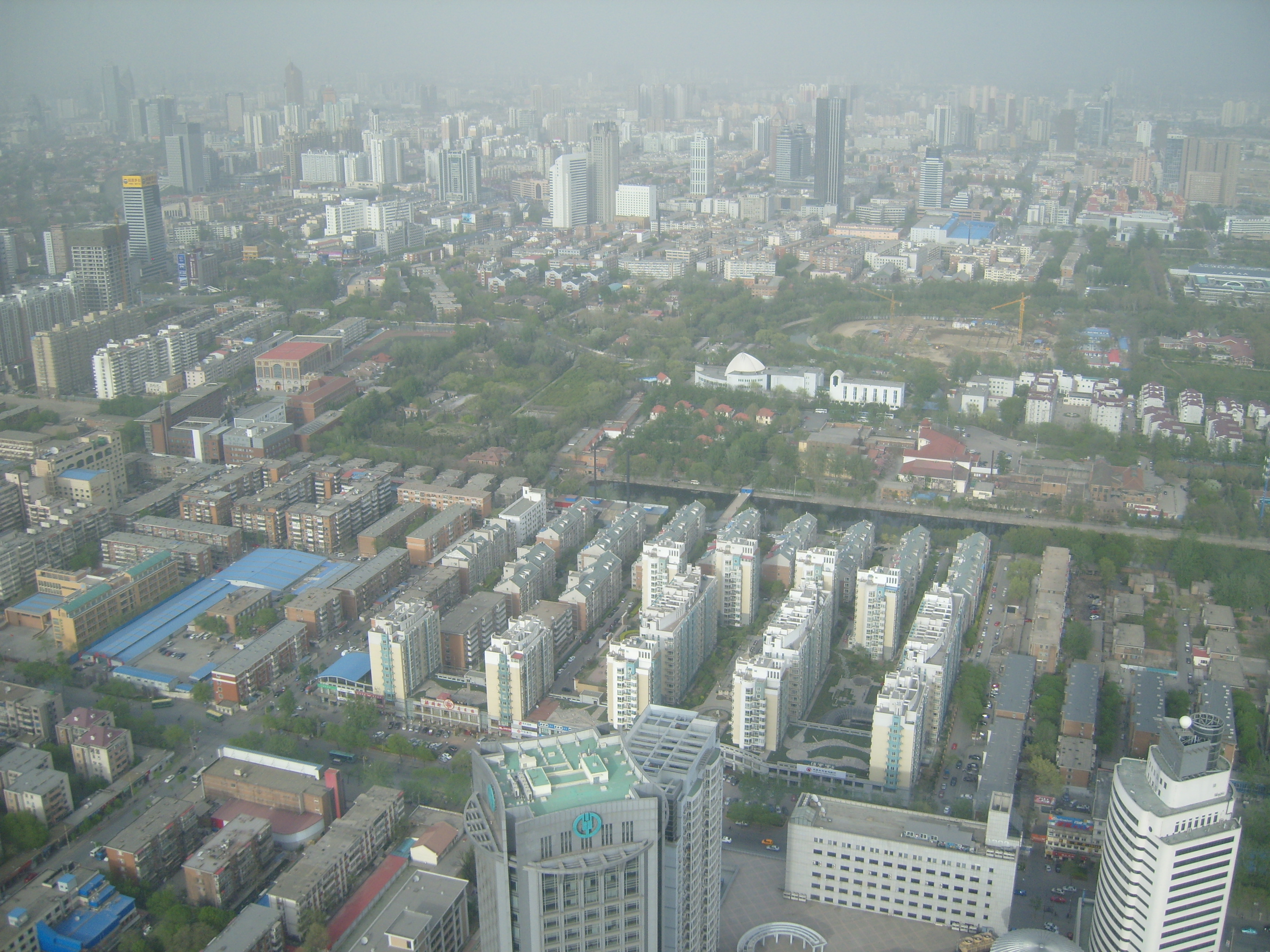
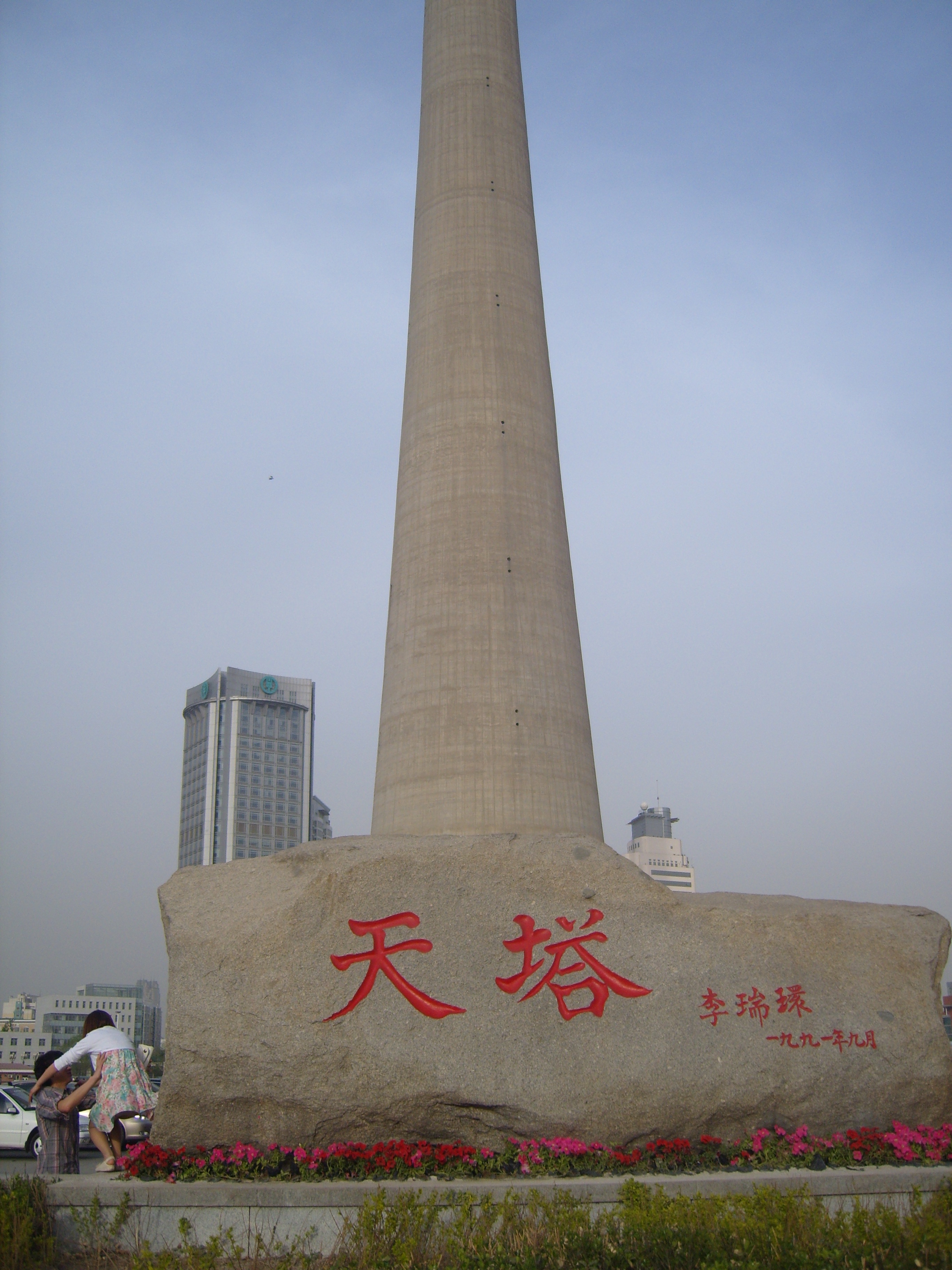
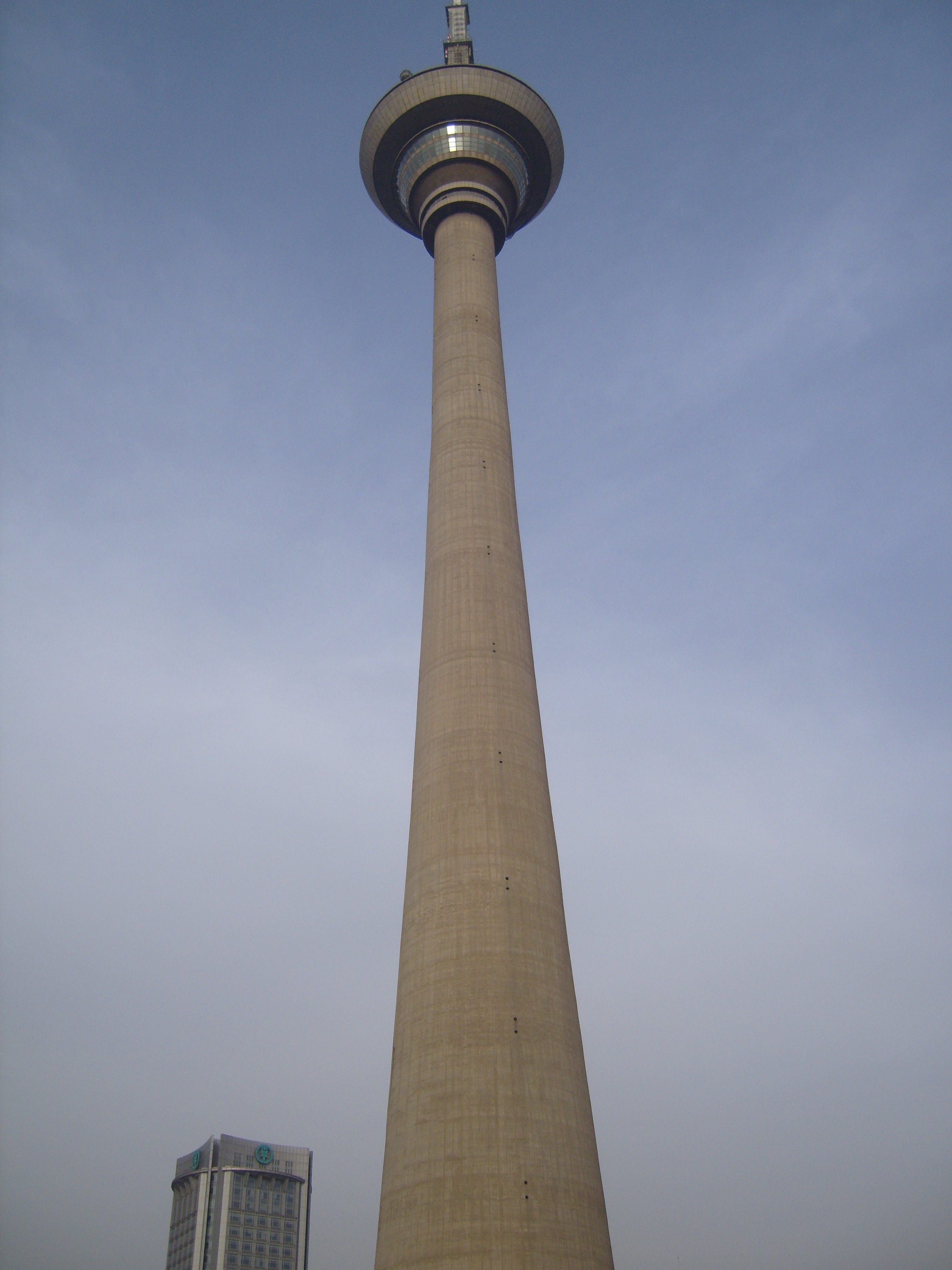
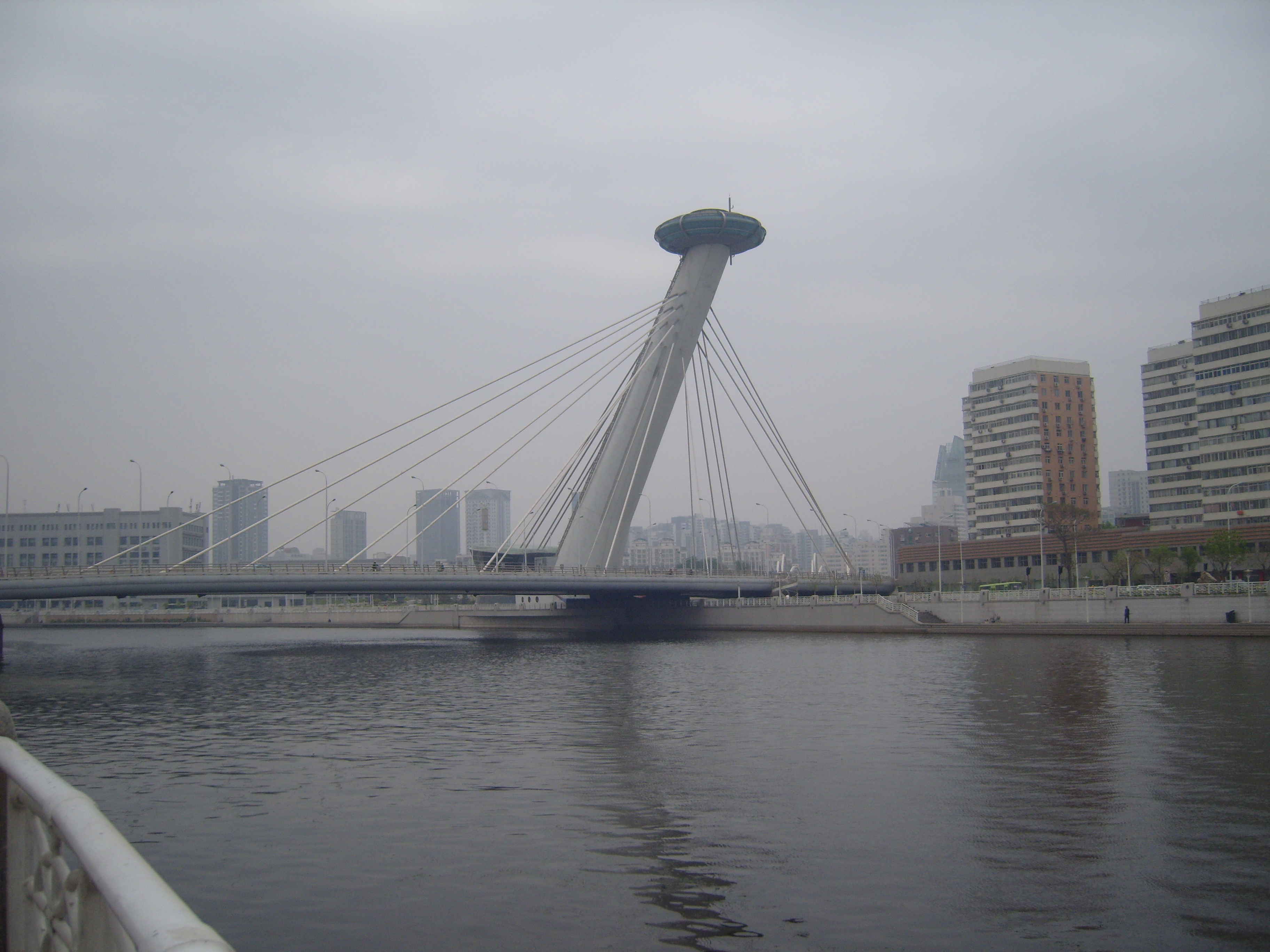
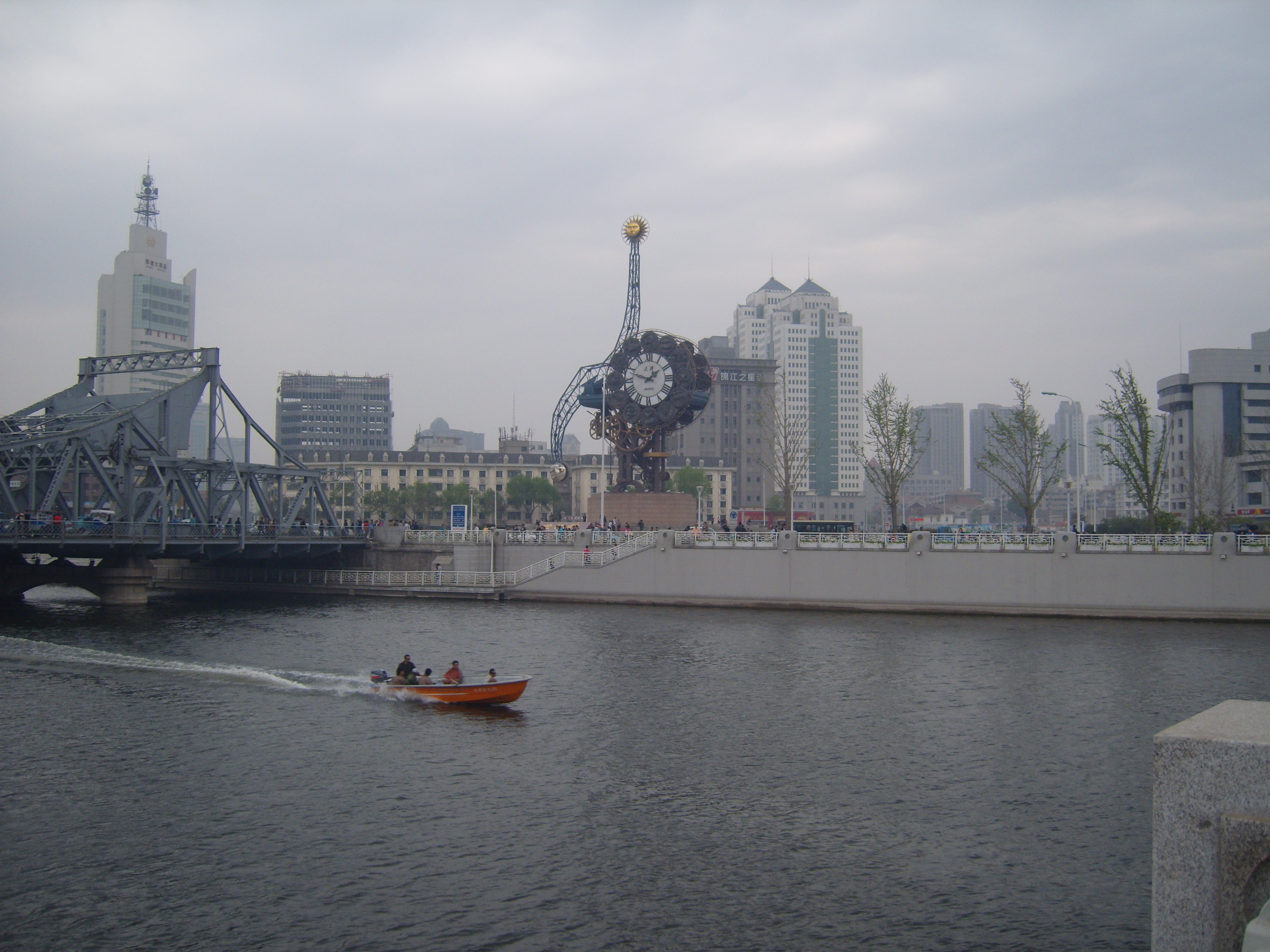
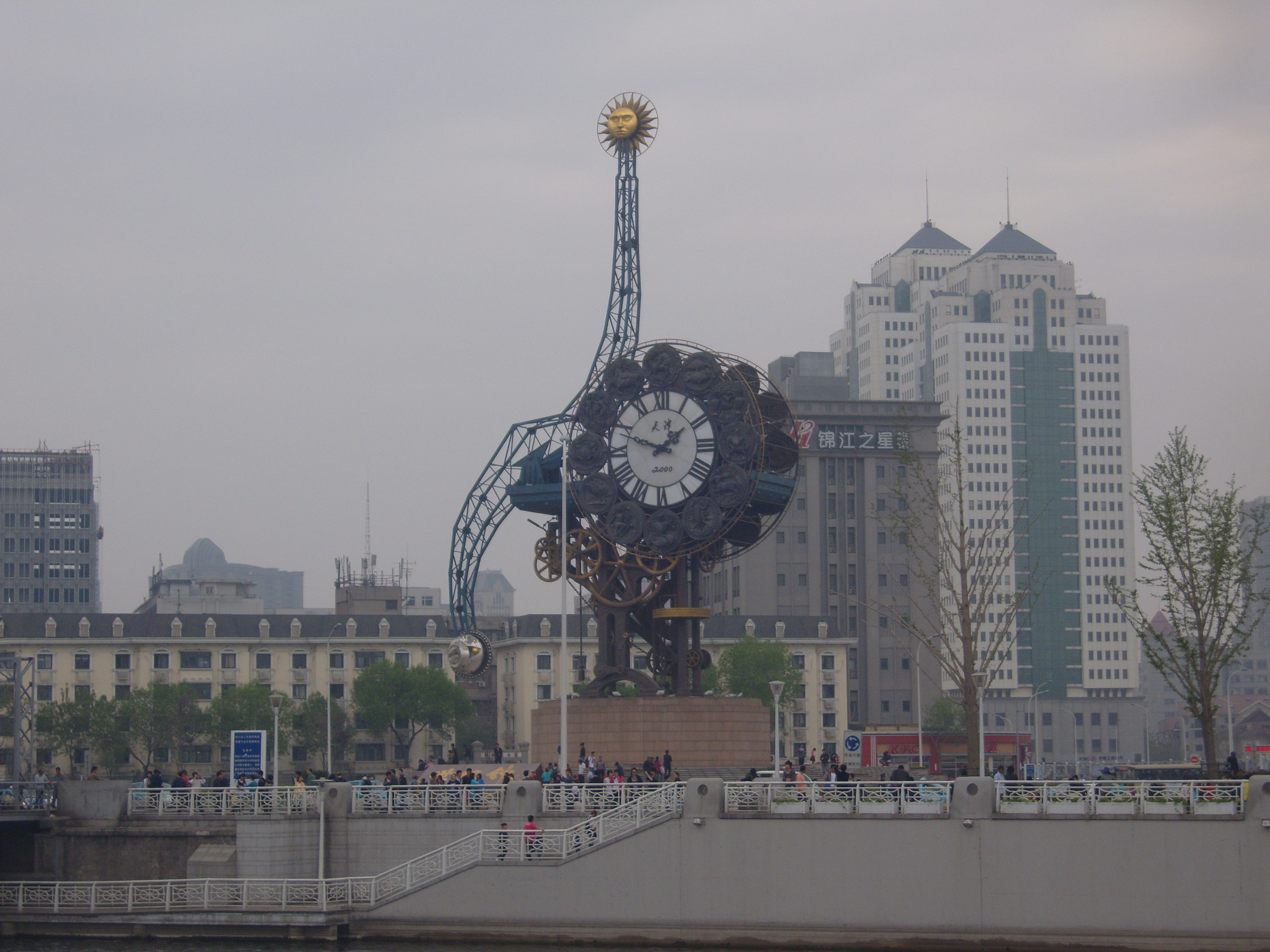
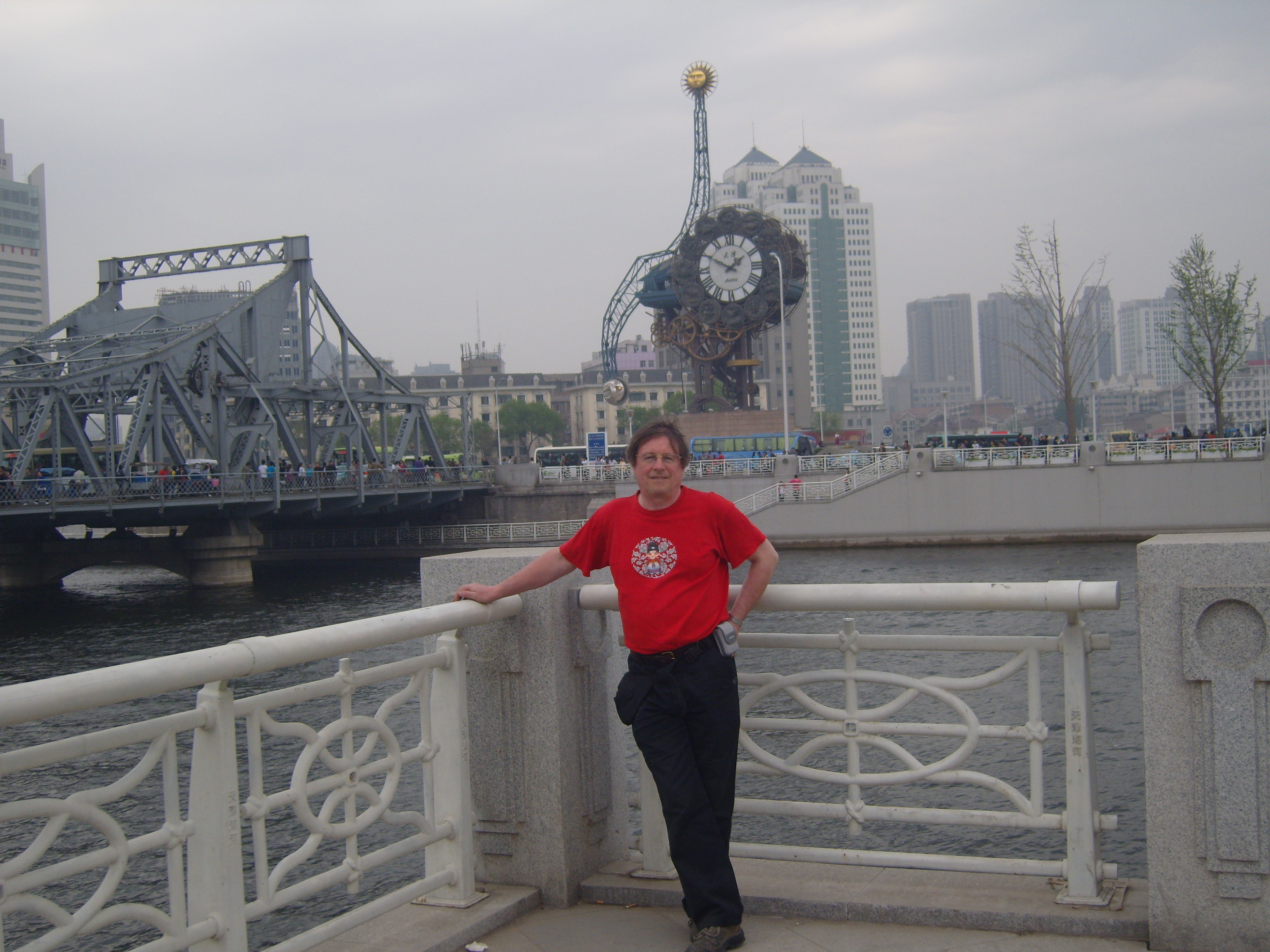
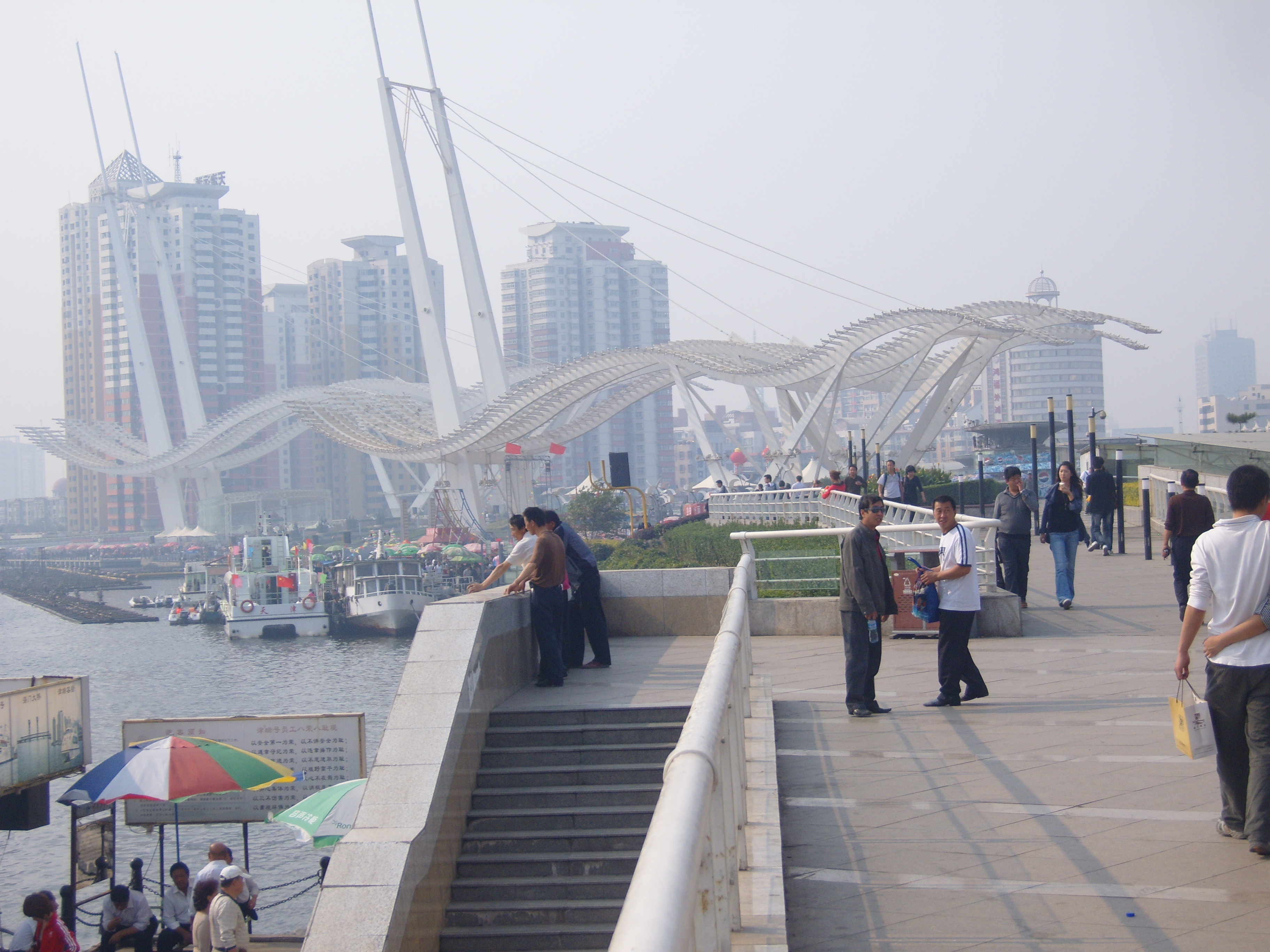
Some other places I visited were the Radio and TV Tower (where I won a painting with my entrance ticket; unfortunately I lost it on the way home from Korea) and park nearby, and a walk along the riverside to the Daguangming Bridge (one of twelve across the Haihe river in Tianjin), and the Century Clock by the railway station. (A couple of the pictures below simply refused to rotate when I uploaded them!)

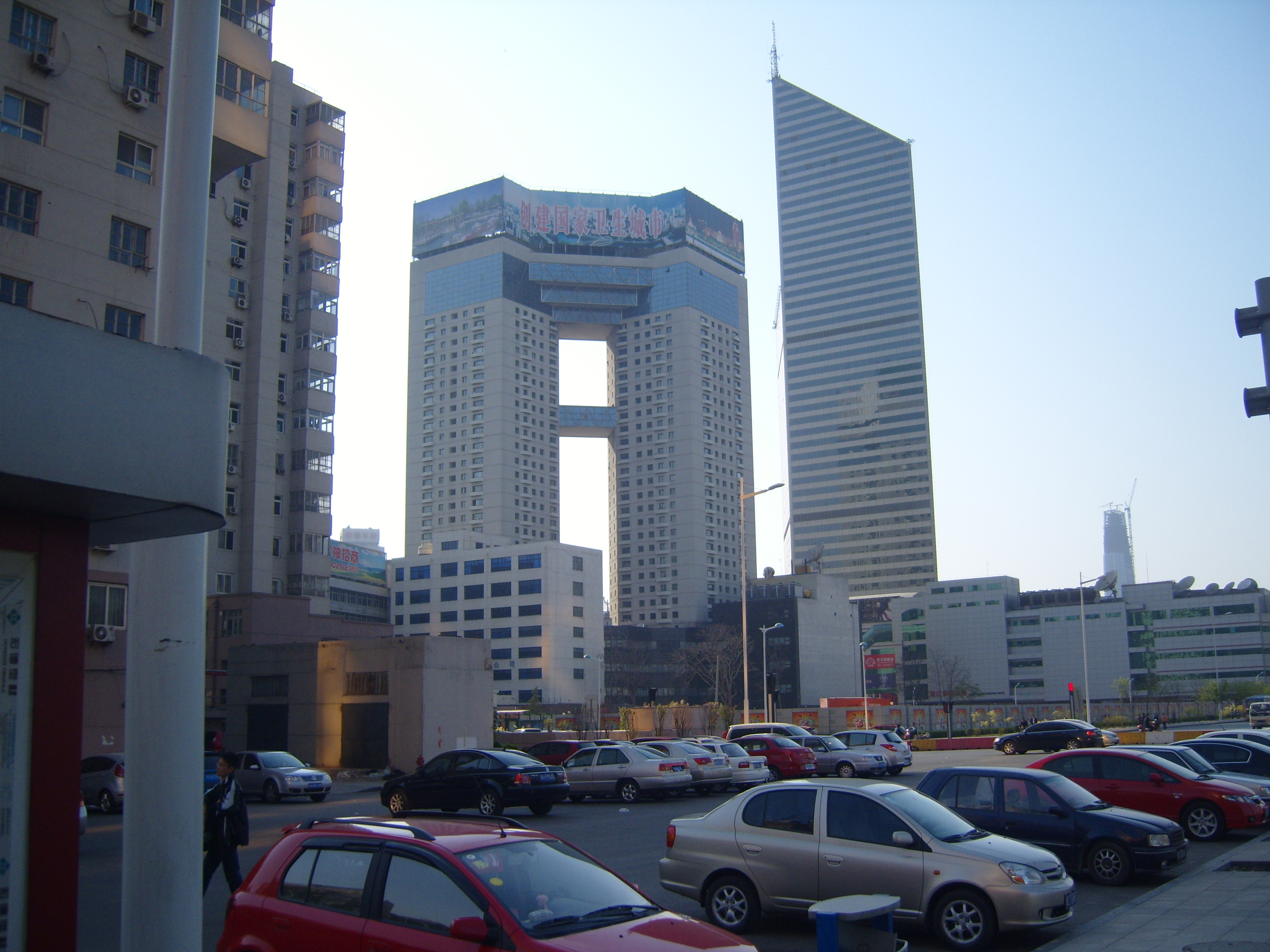

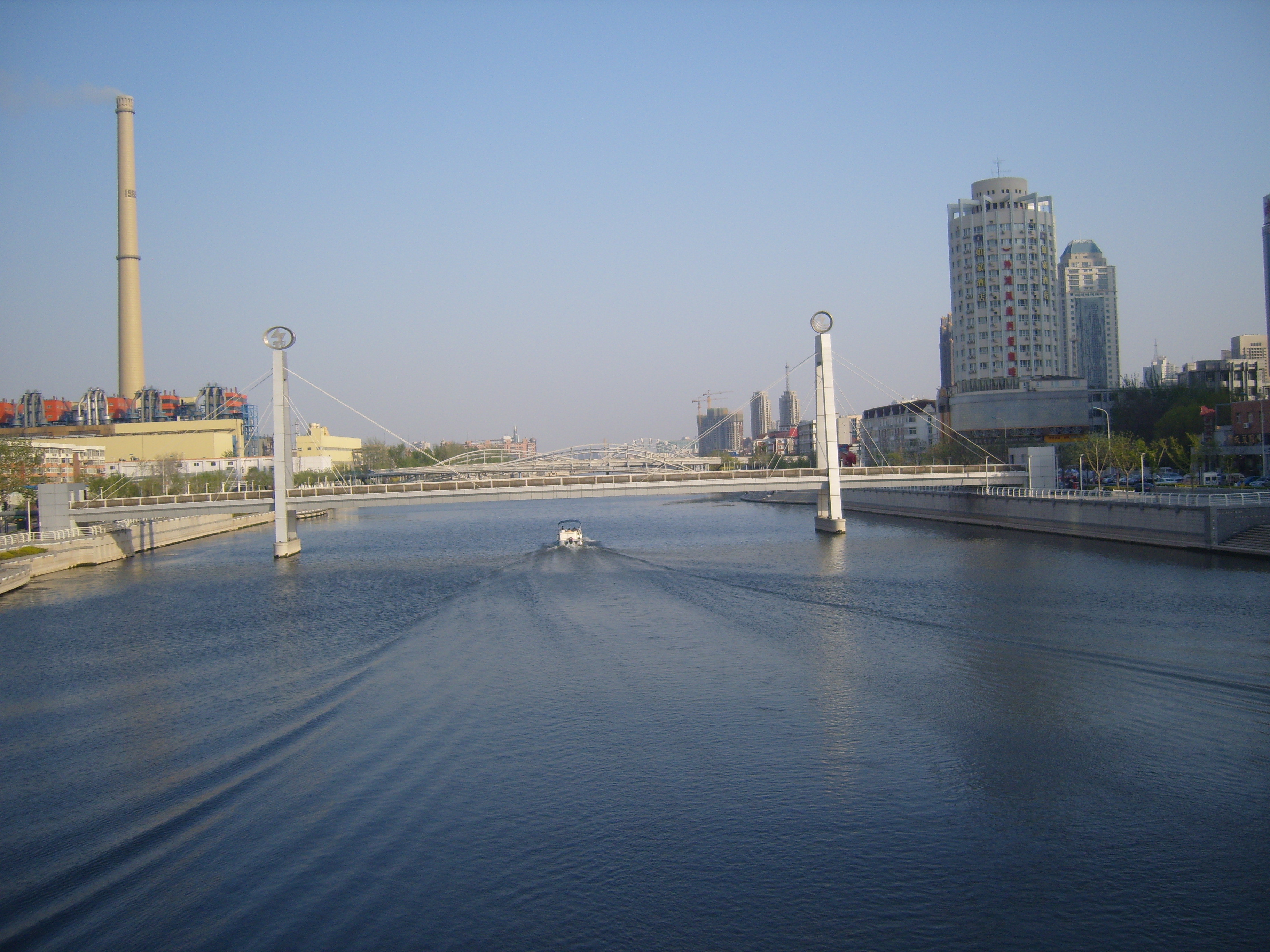
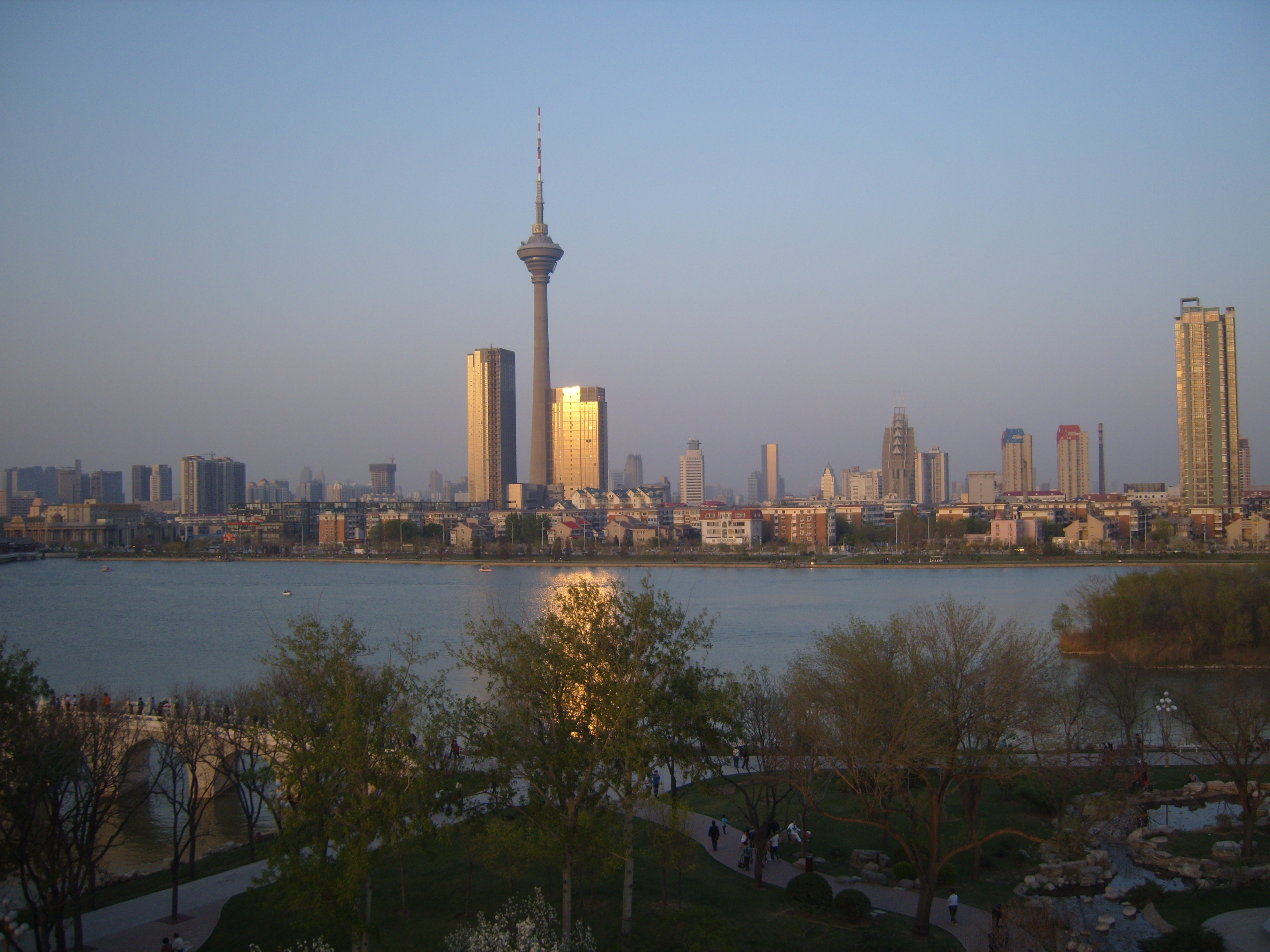
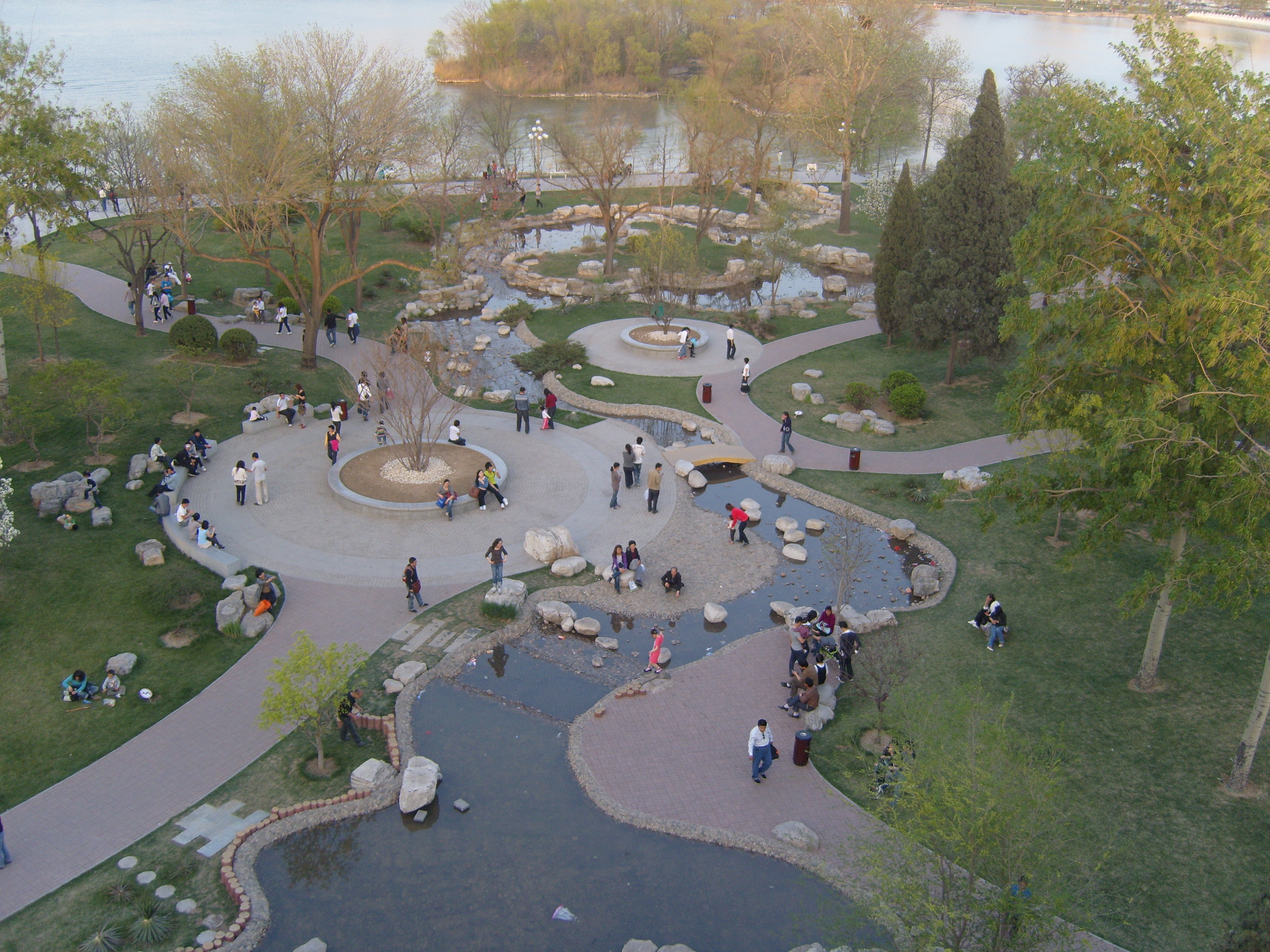
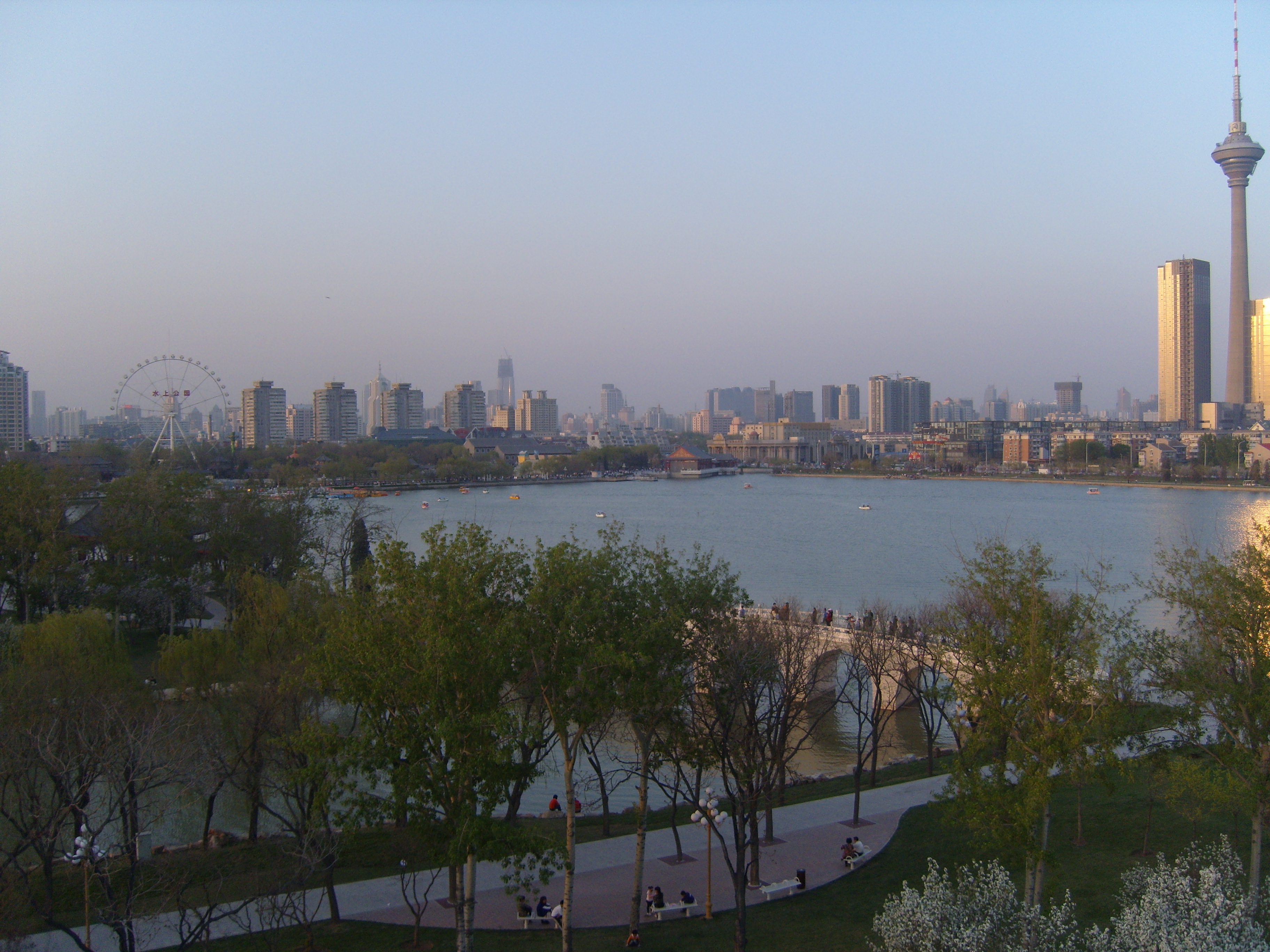
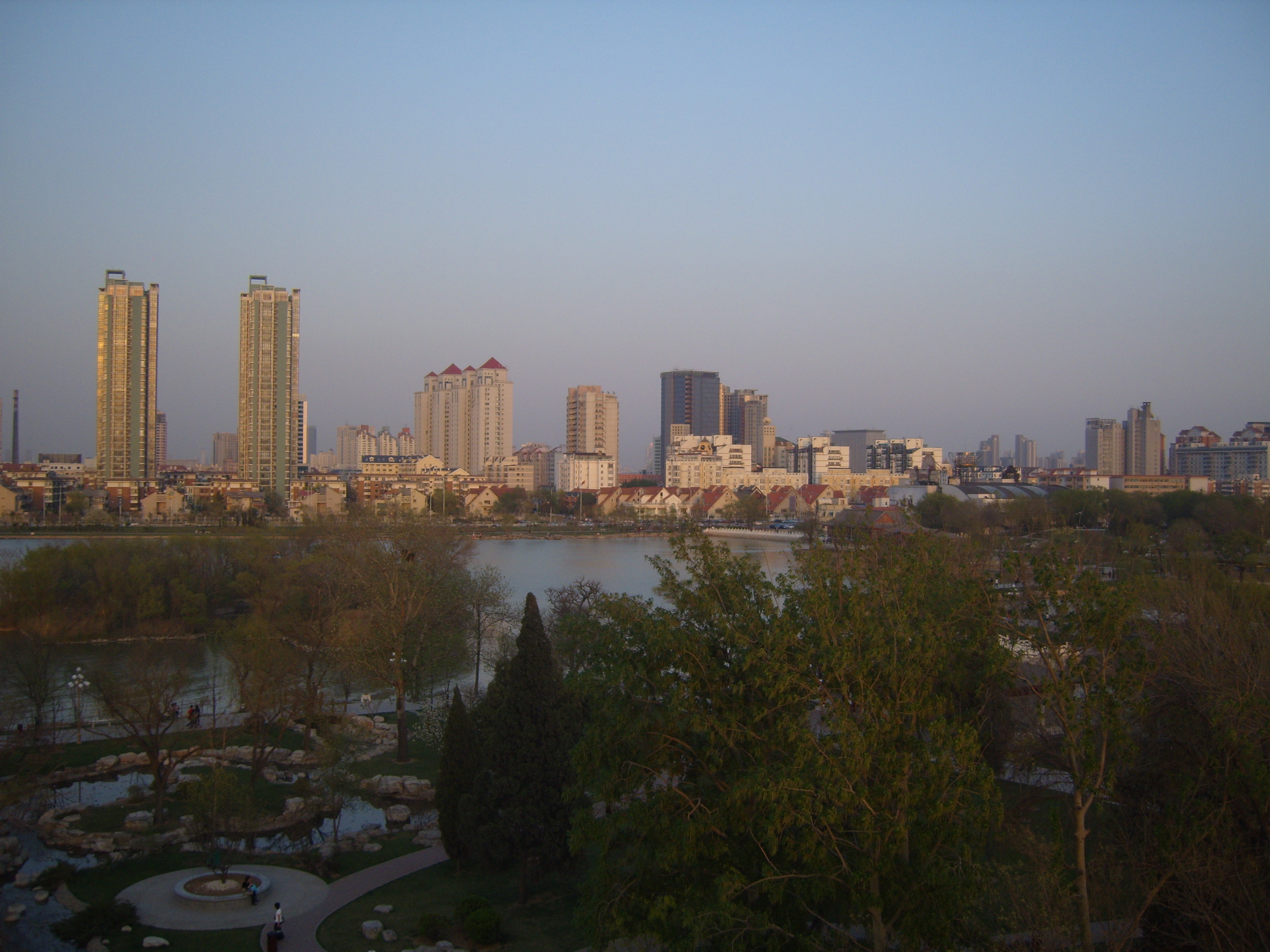
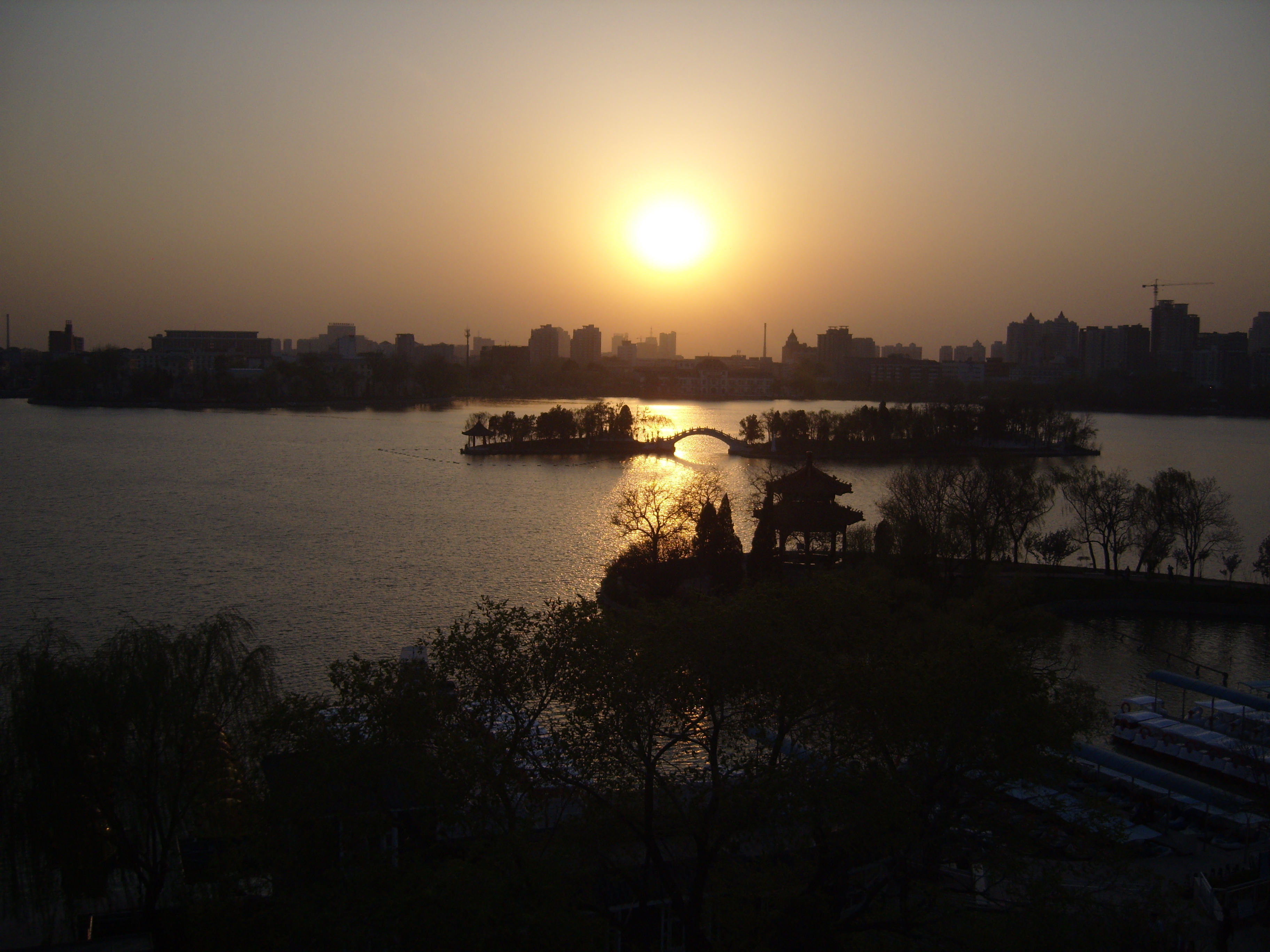
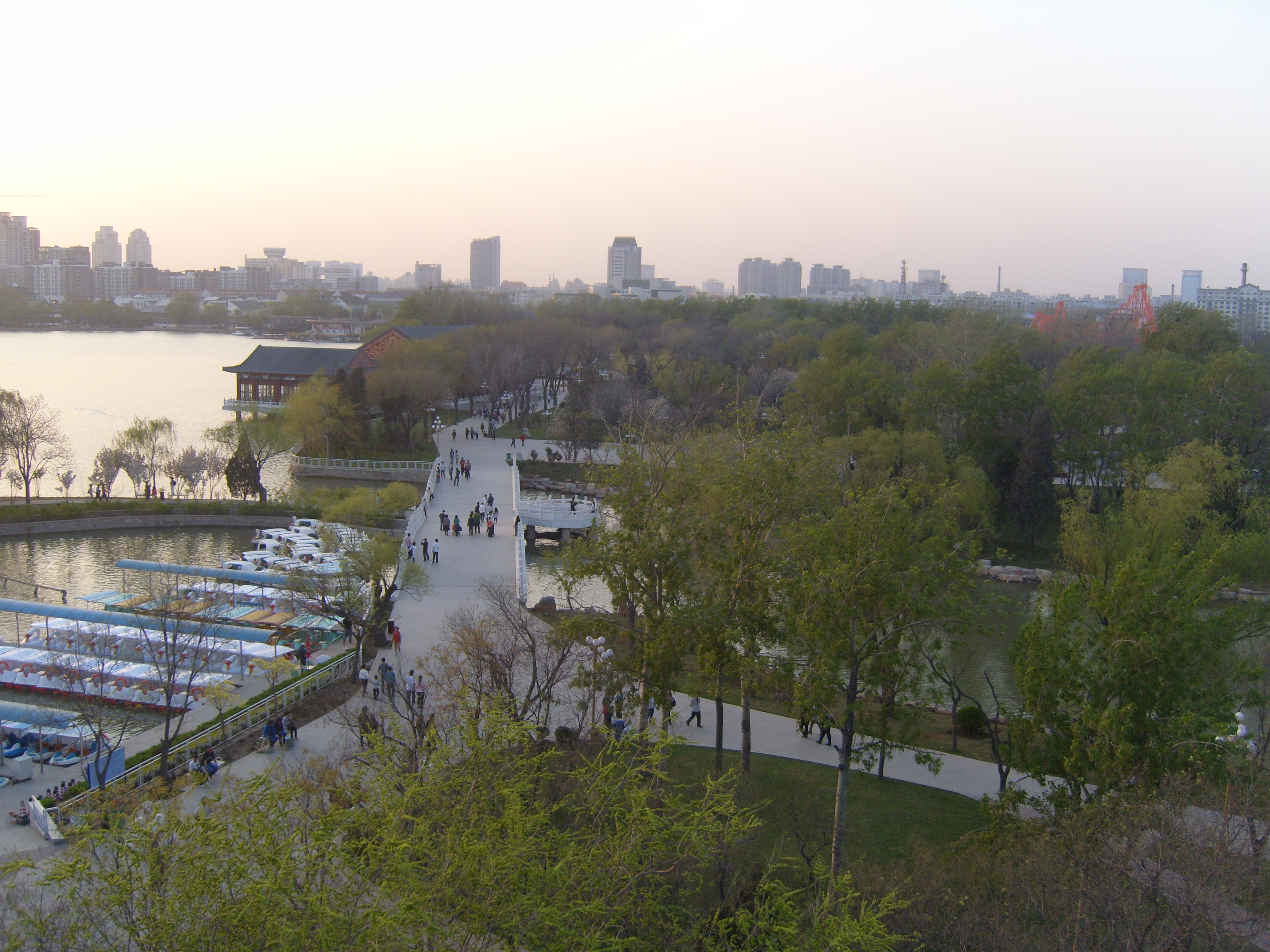
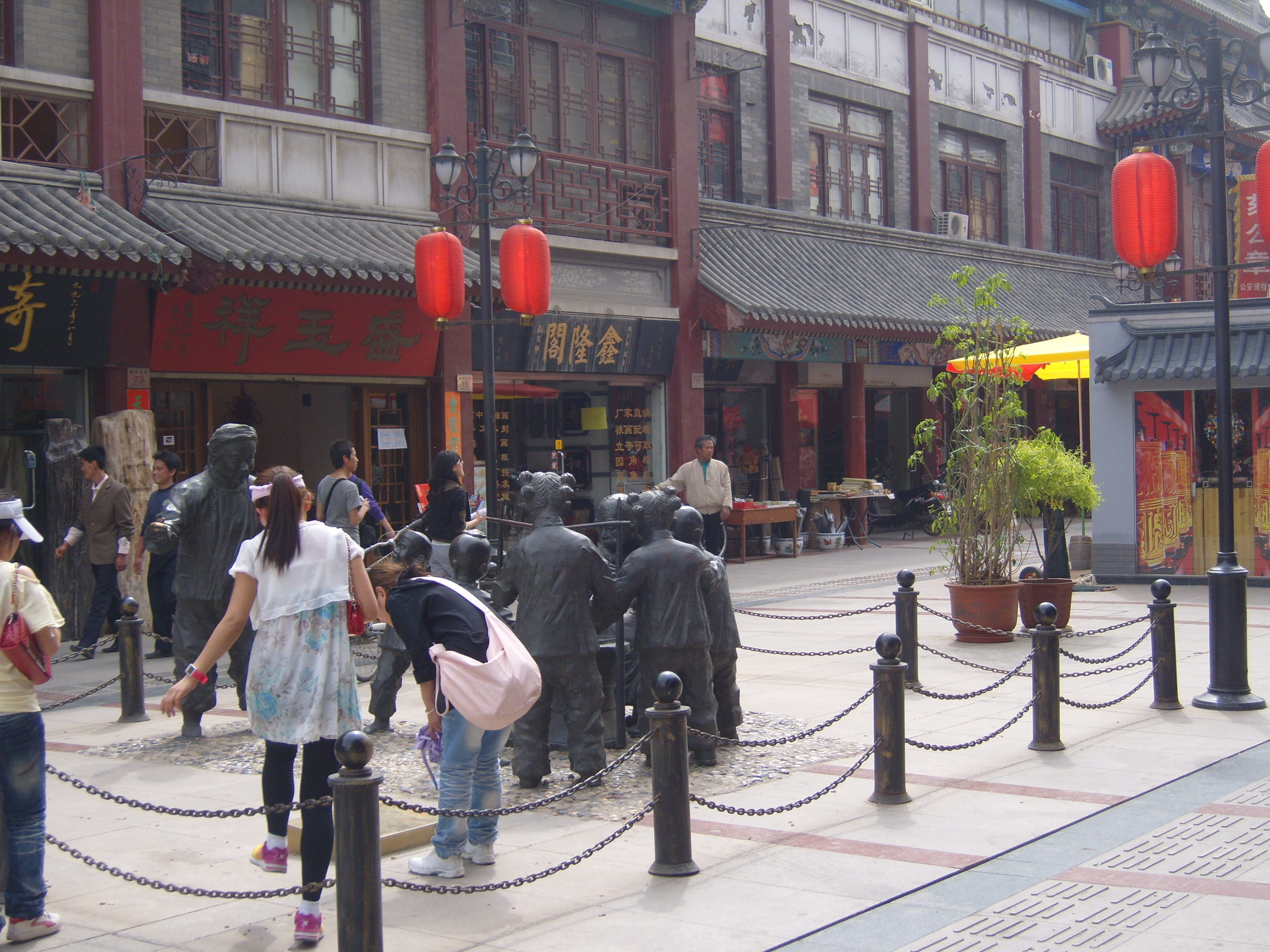
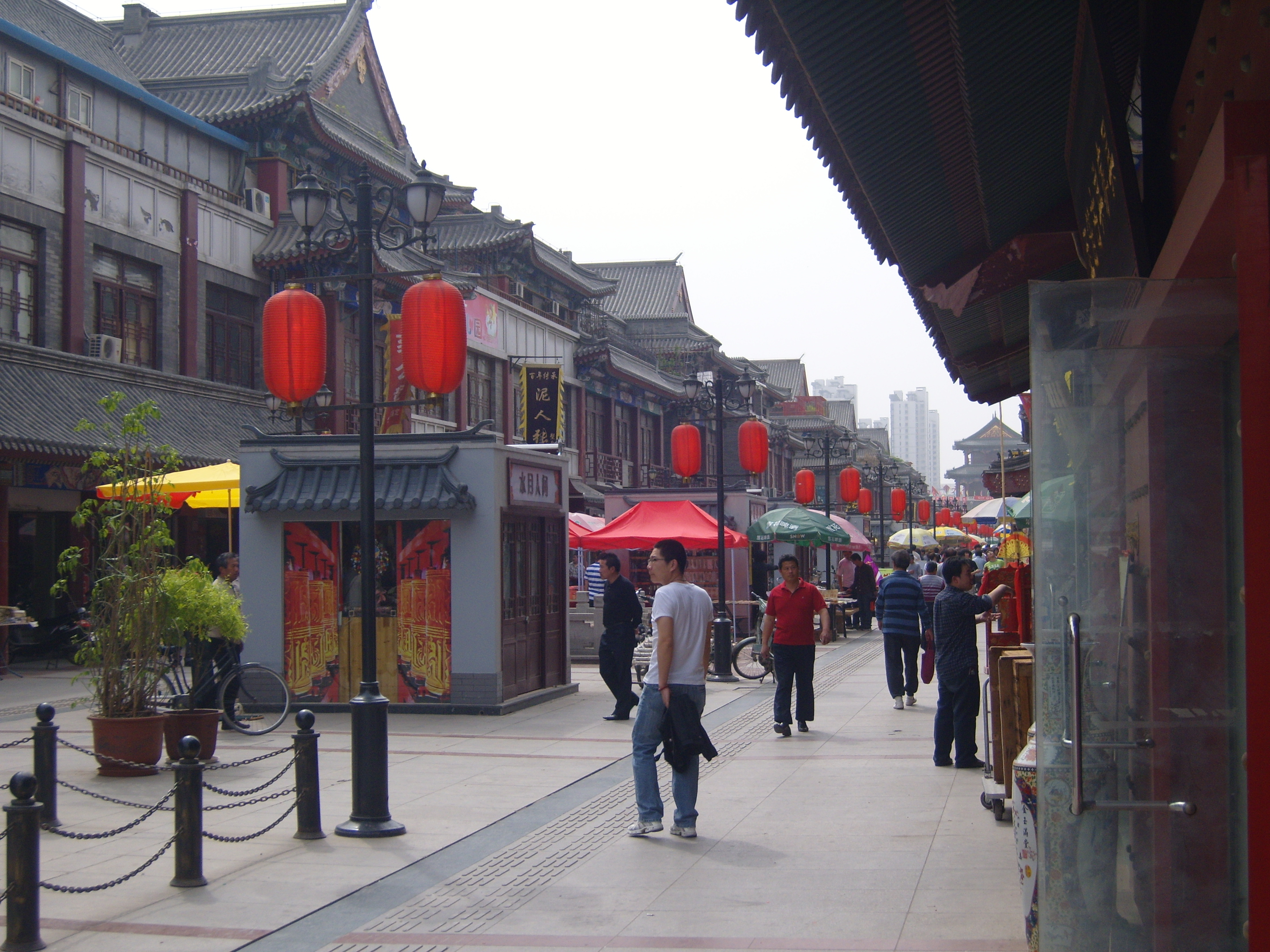
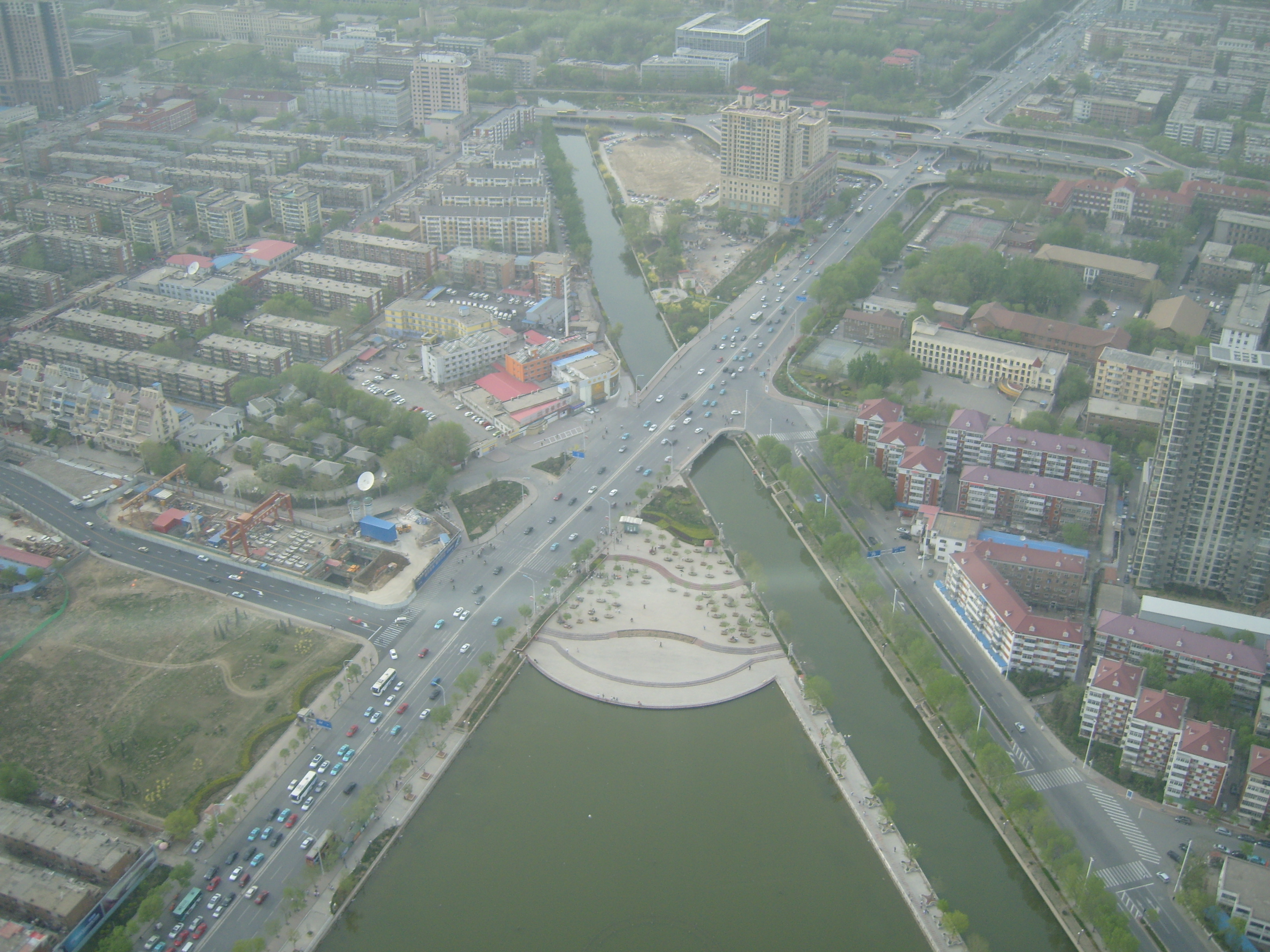
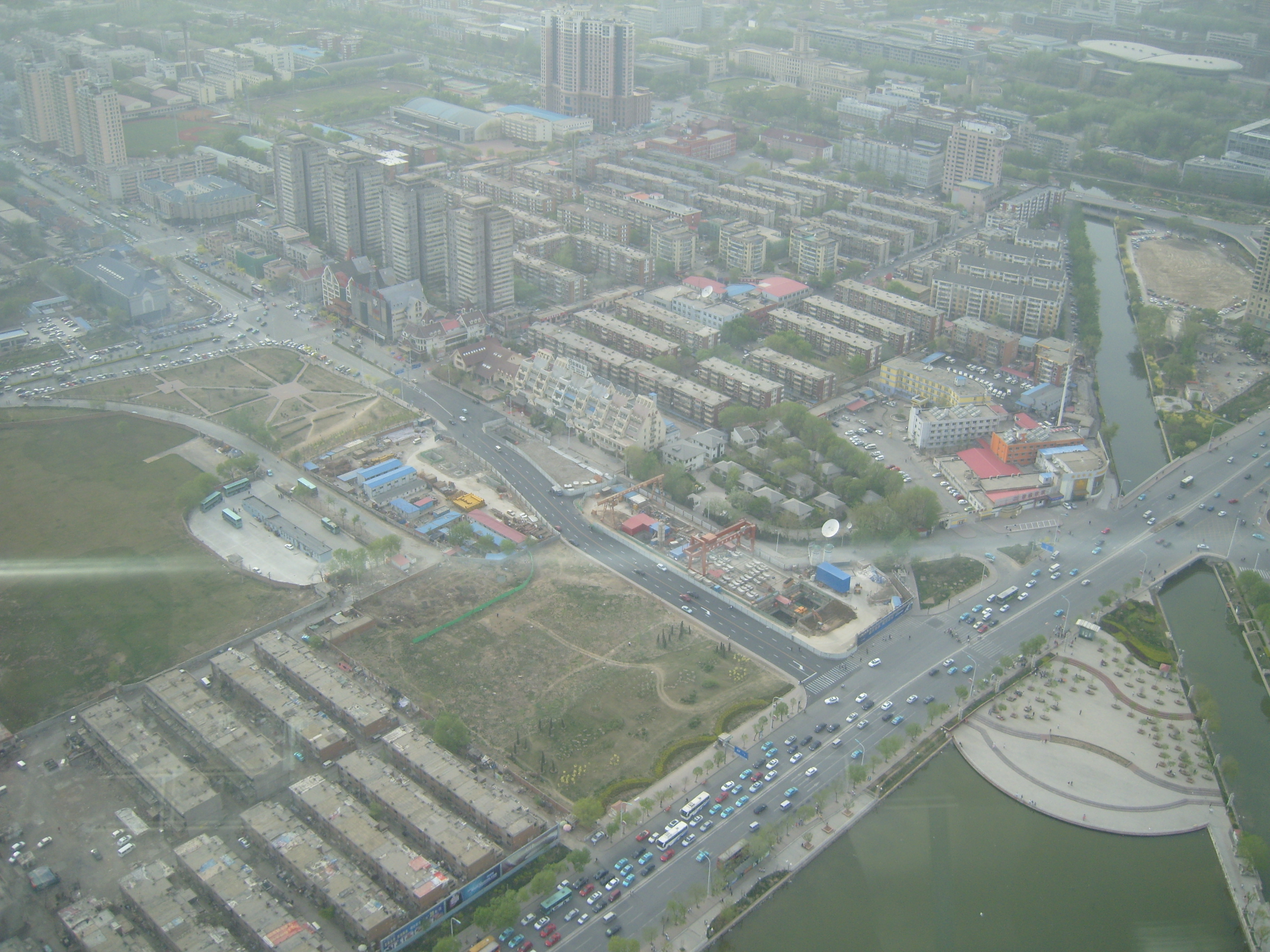
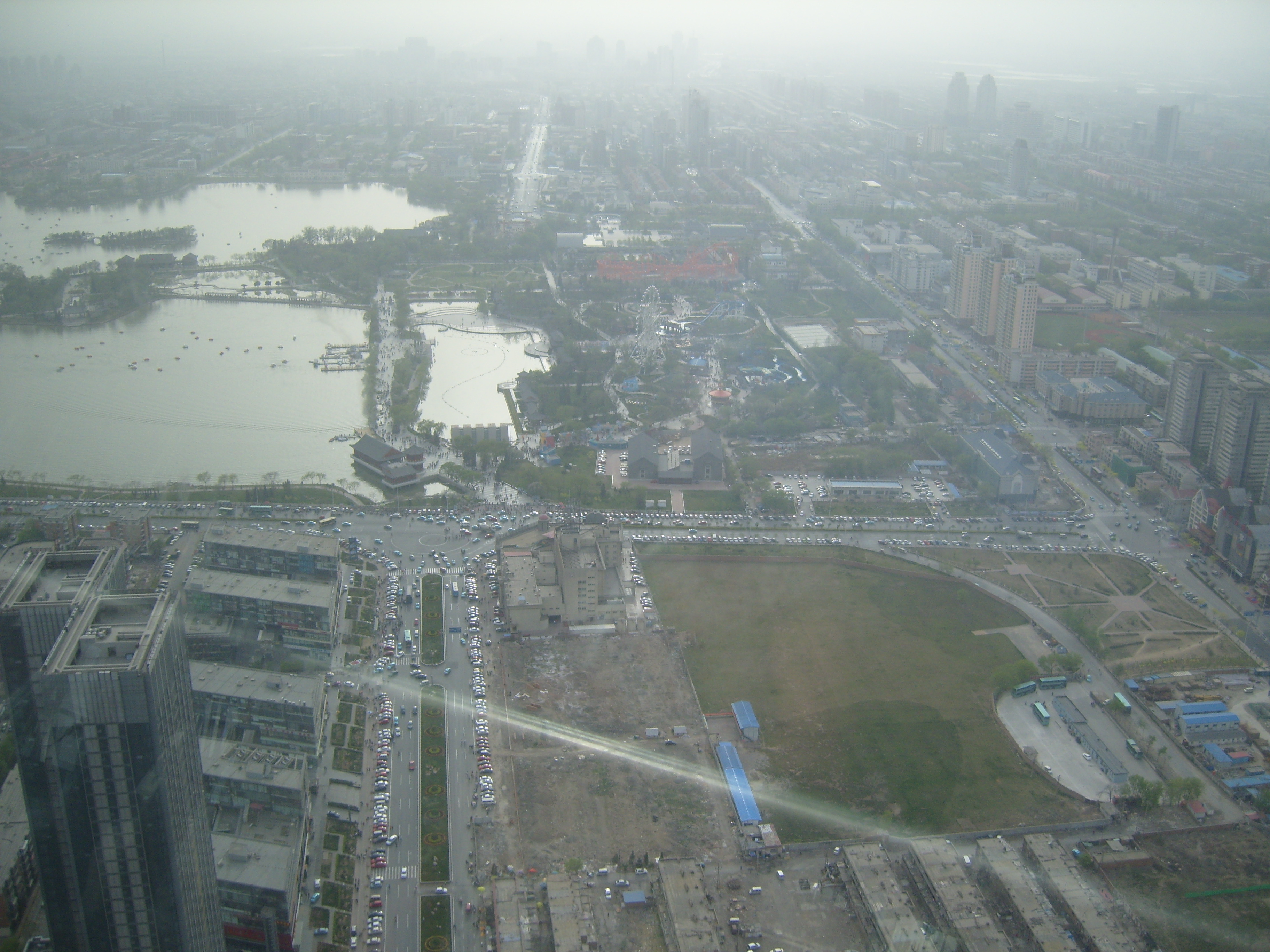

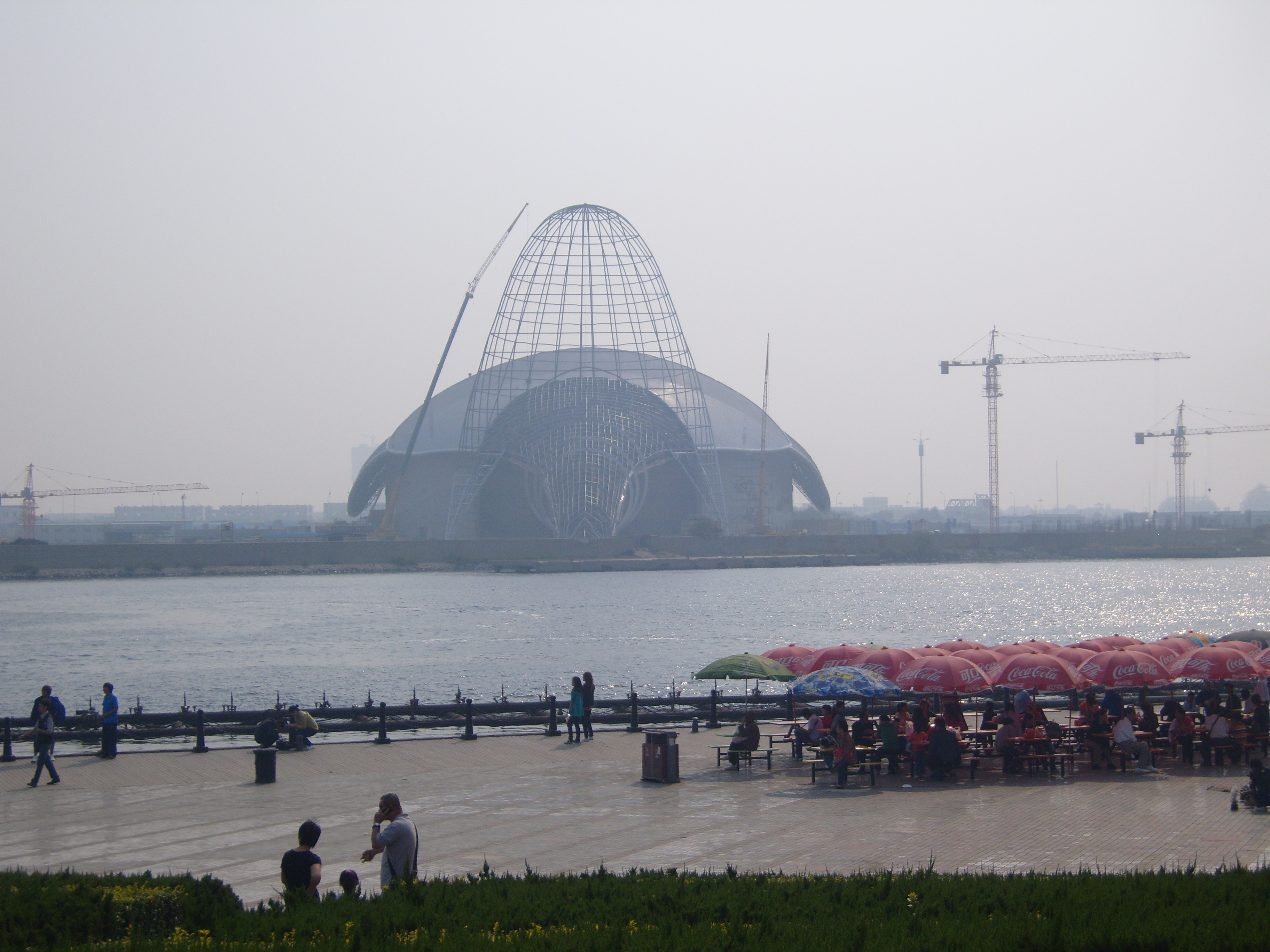
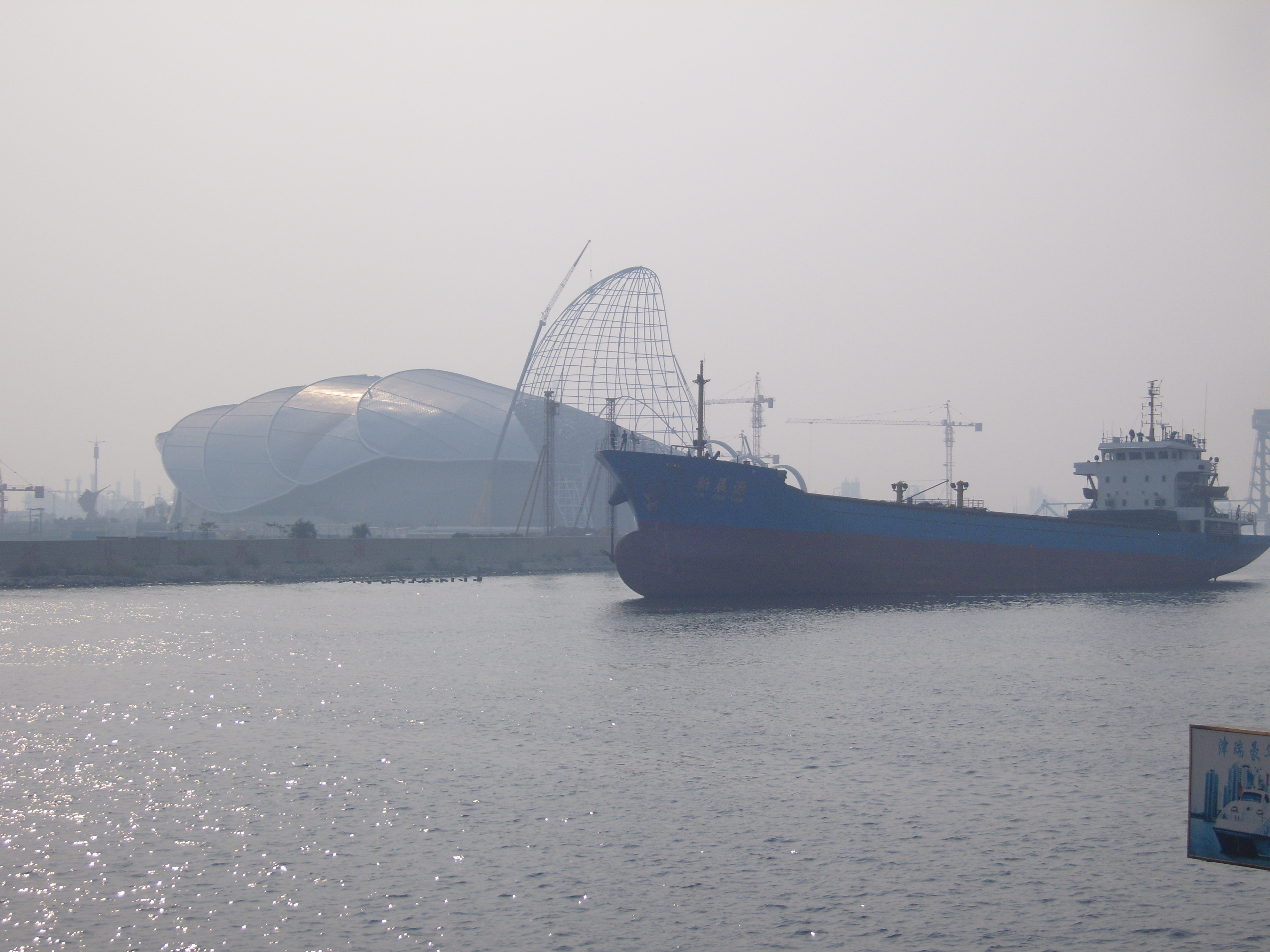
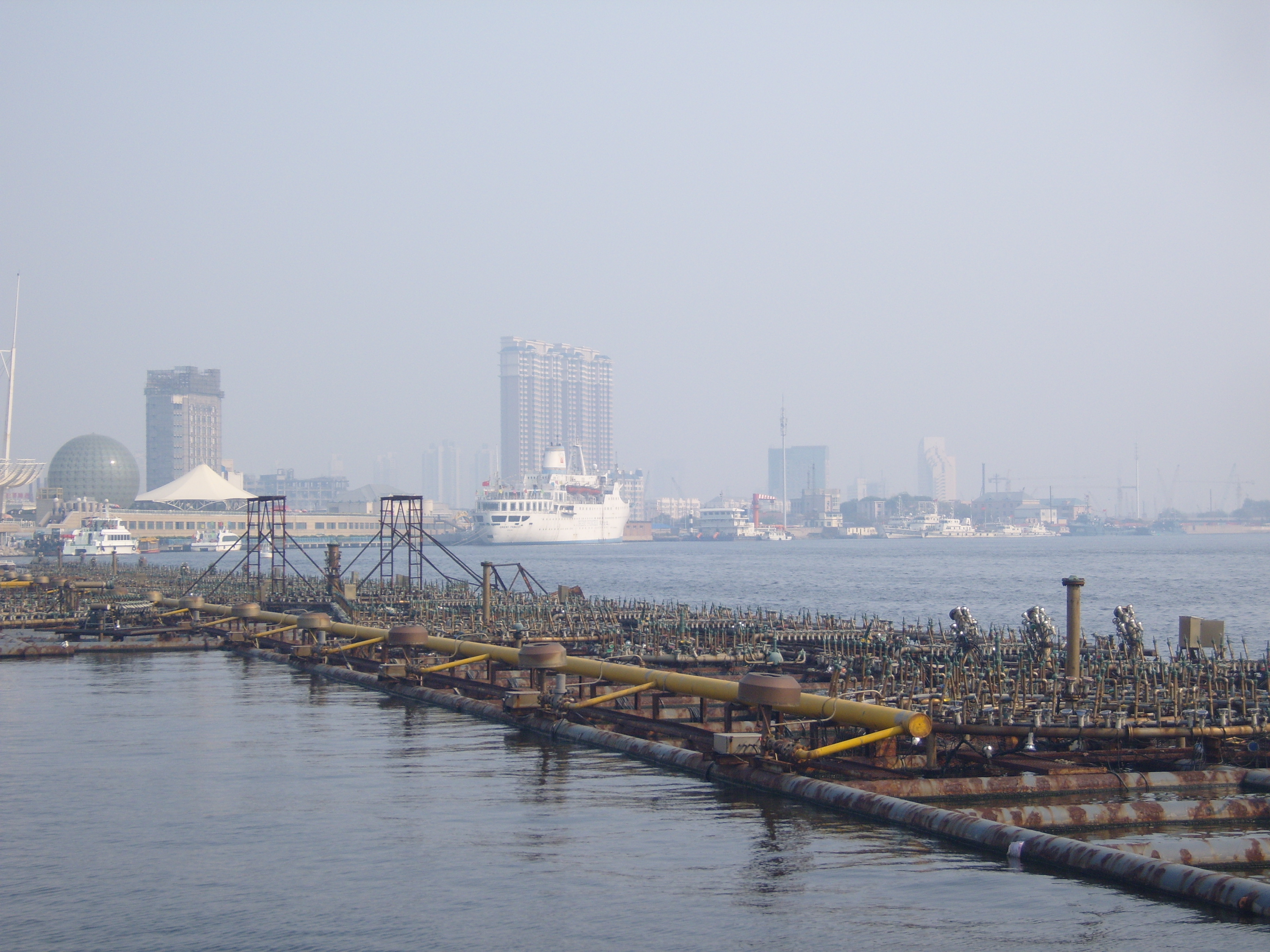
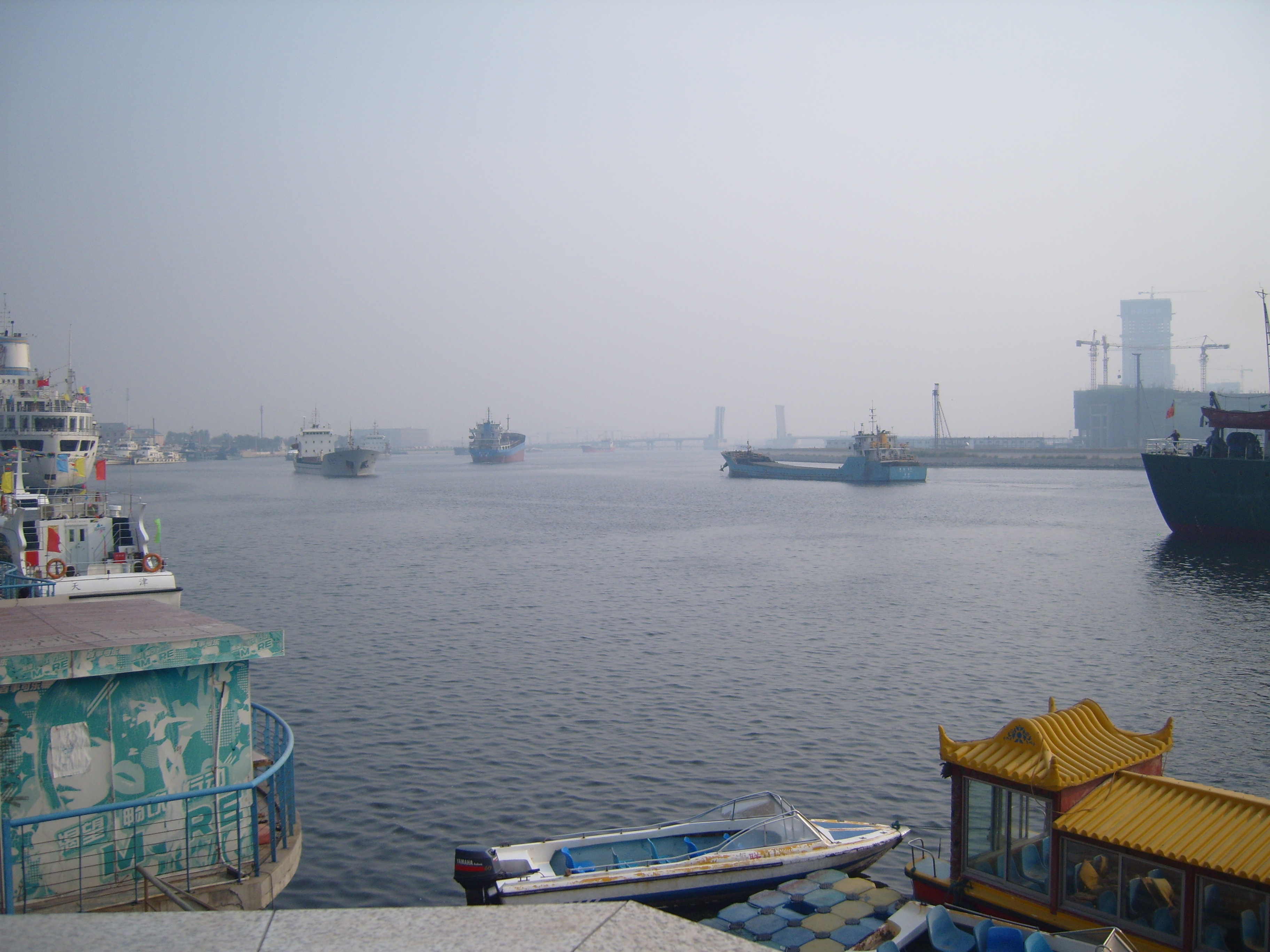
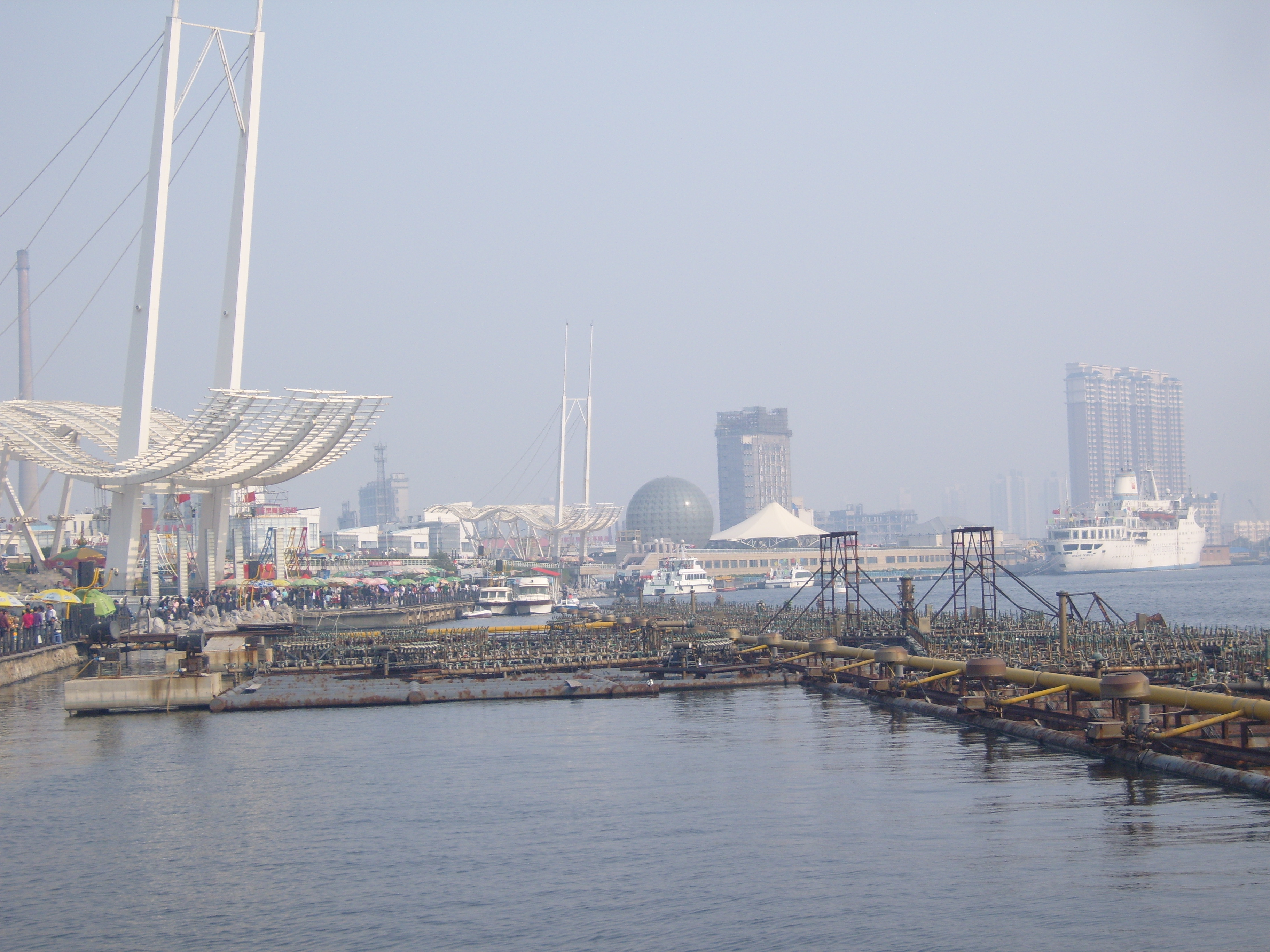
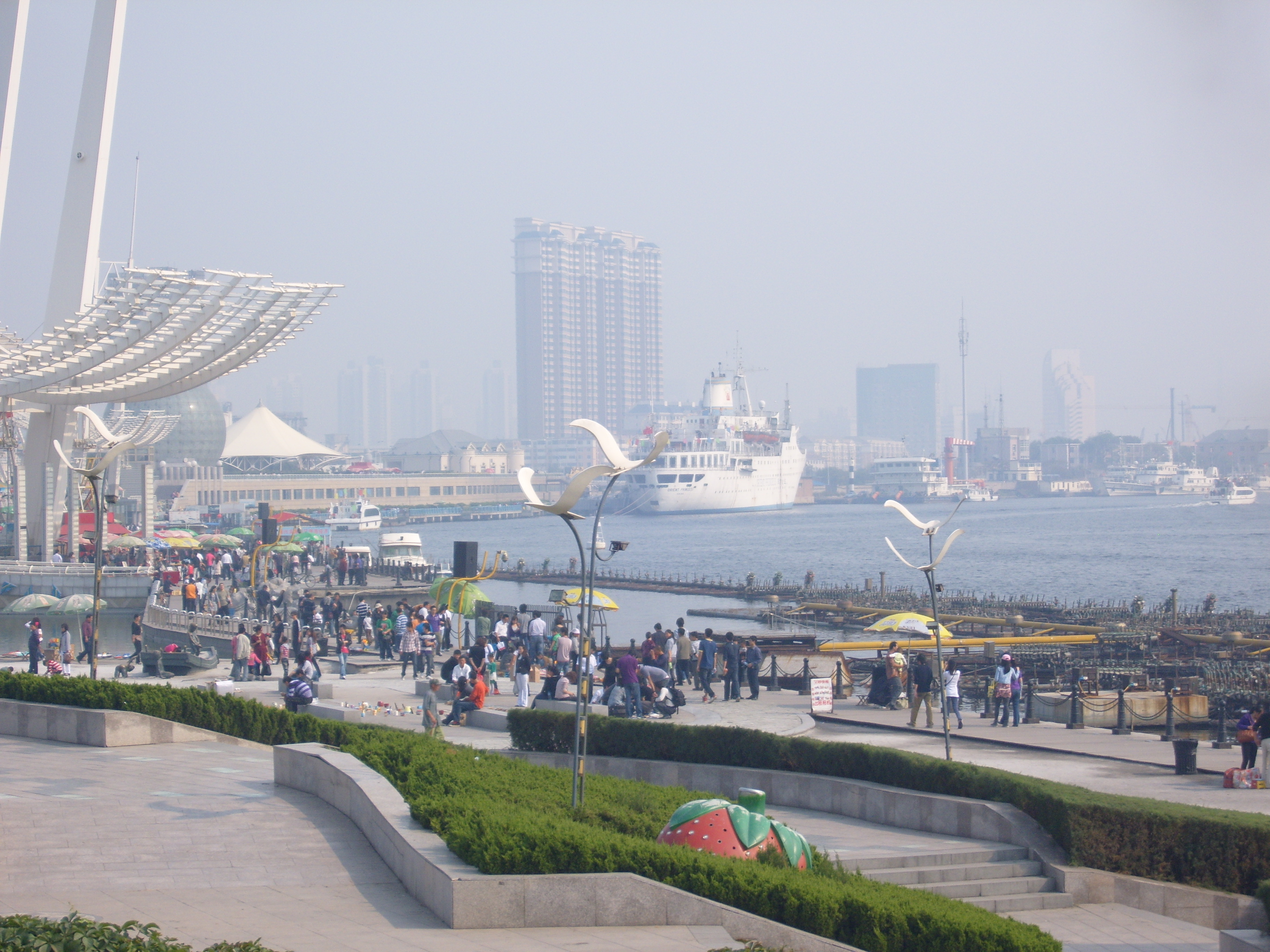
Another popular place to visit is the port area, which unfortunately was an uncomfortable super-crowded subway journey away, when I discovered that Tianjin folk are much less polite and friendly than Beijingers. Ireally only saw a tiny part of the port.

 Personal homesite